Email newsletters remain one of the most powerful owned marketing channels in 2026, but most of them fail not because of strategy—but because of avoidable execution mistakes.
Many creators and brands struggle with low open rates, weak engagement, or high unsubscribes because they overlook fundamentals like consistency, clarity, personalization, and user experience. The problem is rarely the idea behind the newsletter—it’s how it is delivered and maintained over time.
Modern audiences expect newsletters to be useful, predictable, and easy to consume on mobile devices. When those expectations are not met, even high-quality content gets ignored.
This guide breaks down the most common newsletter mistakes and how to fix them so your emails consistently perform better.
Mistake #1: Focusing On Hacks Rather Than Content
One of the biggest reasons newsletters fail is because creators focus too heavily on growth hacks, automation tricks, and monetization tactics instead of building strong content.
While tactics can help scale a newsletter, they cannot replace the foundation: valuable, relevant content that readers actually want.
Many newsletter operators spend more time trying to increase subscribers than improving what subscribers receive. This leads to high churn and low engagement.
Why this hurts performance
- Readers don’t find consistent value
- Engagement drops over time
- Subscribers stop trusting the content
- Growth becomes unstable despite marketing efforts
How to fix it
- Prioritize content quality before scaling tactics
- Understand audience needs through feedback and behavior
- Focus on writing clarity, relevance, and usefulness
- Treat each email as a standalone valuable experience
In 2026, successful newsletters are built on reader value first, optimization second.
Mistake #2: Inconsistent Sending Schedule
Inconsistency is one of the fastest ways to lose audience trust.
When subscribers don’t know when to expect your emails, they gradually stop opening them—or forget they subscribed at all. On the other hand, predictable schedules build habits and anticipation, which directly improves engagement.
Research consistently shows that irregular sending negatively affects both engagement rates and inbox placement because email platforms interpret inconsistency as low-value behavior.
Why this hurts performance
- Subscribers lose familiarity with your newsletter
- Open rates decline over time
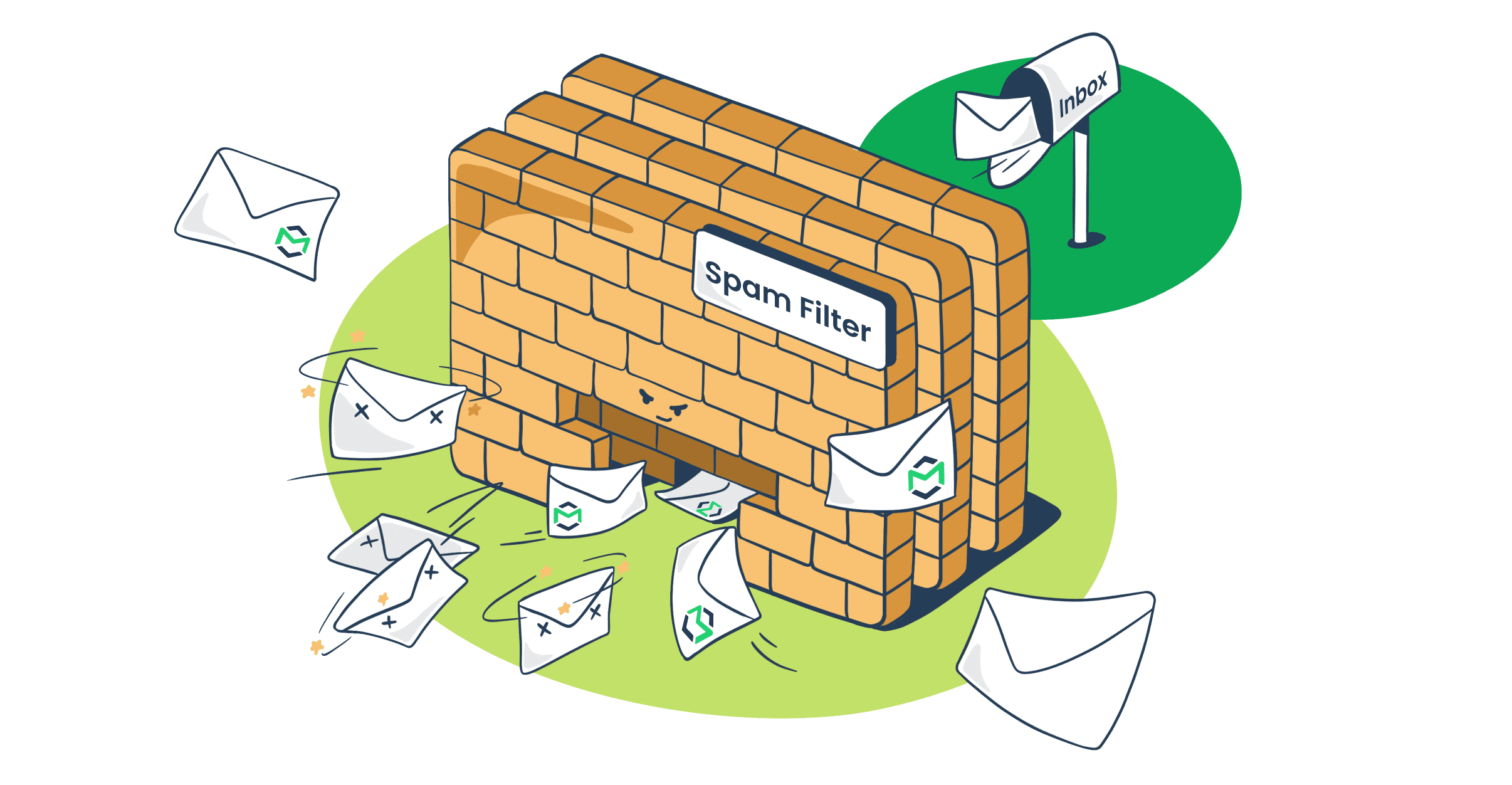
- Emails are more likely to be ignored or marked as spam
- Trust and routine are broken
How to fix it
- Choose a realistic schedule (weekly, biweekly, or monthly)
- Stick to it consistently without random changes
- Communicate frequency clearly during signup
- Batch content creation to avoid missed sends
Consistency is not about frequency—it’s about reliability. Even a monthly newsletter performs better than an inconsistent weekly one.
Mistake #3: Weak Subject Lines
One of the most damaging mistakes in modern newsletters is writing weak or generic subject lines. In 2026, the subject line is still the primary factor that determines whether your email gets opened or ignored.
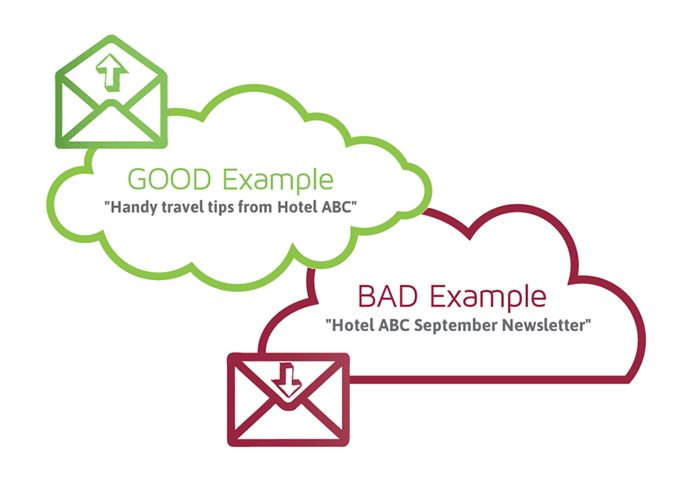
Many newsletters fail because they use vague phrases like “Weekly Update,” “Newsletter #5,” or overly promotional language that doesn’t communicate value. These subject lines fail to create curiosity or set clear expectations, which leads to low open rates and poor engagement.
Research consistently shows that subject lines must act as a clear value signal and attention hook in a crowded inbox environment. If the subject line doesn’t immediately tell the reader why the email matters, it is likely to be skipped or deleted .
Why this hurts performance
- Open rates drop significantly because users don’t feel compelled to click
- Emails look generic and blend into inbox noise
- Spam filters may deprioritize low-engagement messages over time
- Subscribers lose interest before even reading your content
How to fix it
- Keep subject lines specific, clear, and outcome-driven
- Use curiosity or direct value (e.g., “3 fixes for low email engagement”)
- Avoid vague labels like “newsletter” or “update”
- Optimize length for mobile (around 40–60 characters works best)
- A/B test subject lines regularly to identify what resonates
Modern best practice is simple: specificity beats cleverness. Readers respond more to clarity than creativity when deciding what to open.
Mistake #4: Lack of Personalization
A major reason newsletters fail to retain readers is the absence of meaningful personalization. In 2026, audiences expect content that feels relevant to their interests, behavior, or context—not generic mass messaging.
Sending the same email to everyone on your list often results in disengagement because subscribers don’t feel the content applies to them. Personalization is no longer just using a first name—it includes tailoring content based on actions, preferences, and engagement history.
Studies and industry analysis show that lack of personalization leads directly to lower engagement and higher unsubscribe rates because subscribers feel disconnected from the message .
Why this hurts performance
- Emails feel irrelevant to large portions of your audience
- Click-through rates decrease due to low perceived value
- Subscribers disengage over time or unsubscribe
- Missed opportunity to build stronger reader relationships
How to fix it
- Segment your audience based on interests, behavior, or lifecycle stage
- Use dynamic content where possible (different sections for different users)
- Personalize beyond names—focus on relevance (topics, timing, recommendations)
- Analyze engagement data to refine targeting over time
In modern email strategy, personalization is not optional—it’s a core driver of relevance and retention.
Mistake #5: Ignoring Mobile Optimization
Ignoring mobile optimization is one of the fastest ways to lose engagement in email marketing today. In 2026, most newsletters are opened on mobile devices, and poorly optimized emails immediately lose attention.
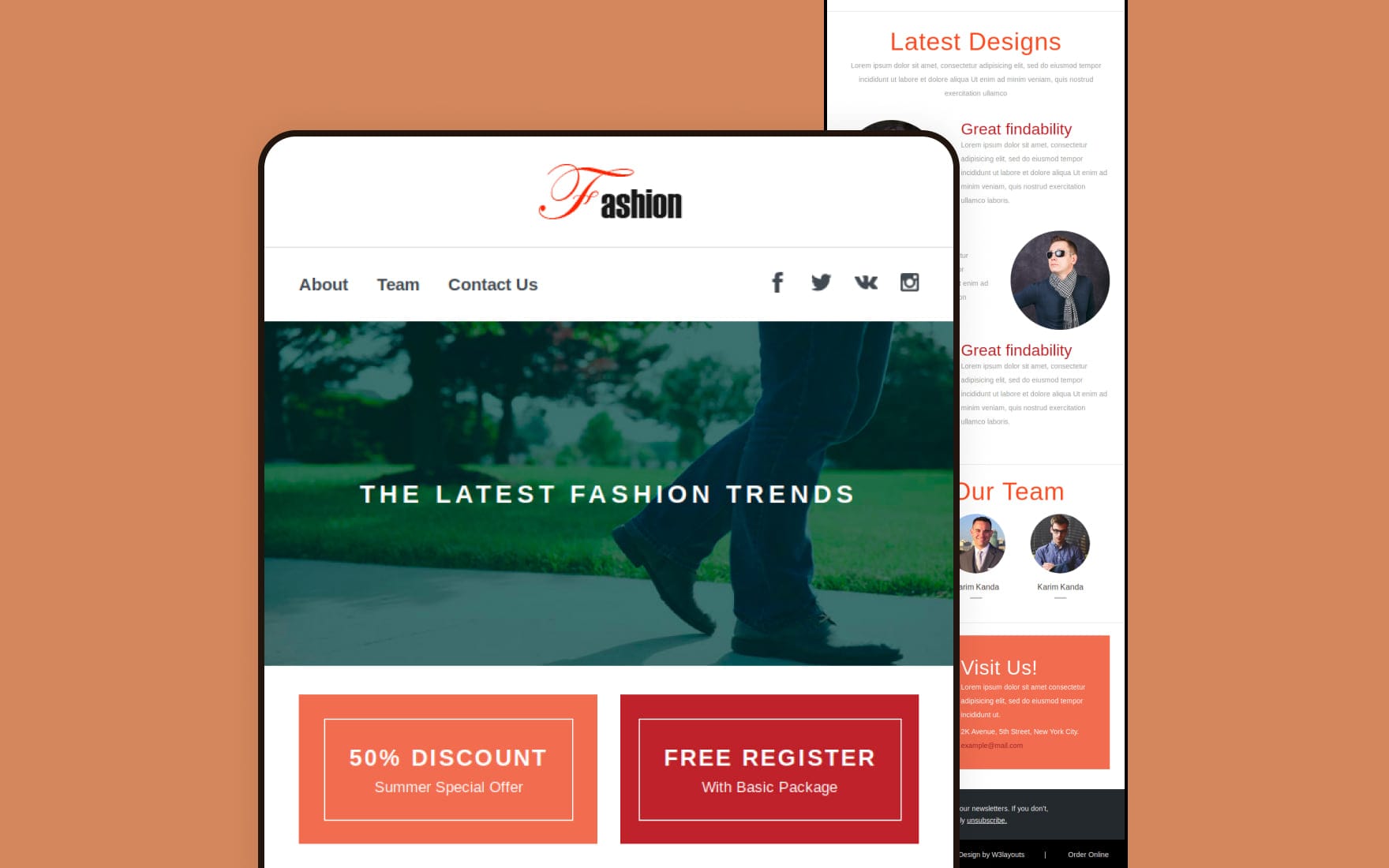
Common issues include long paragraphs, small fonts, multi-column layouts, and images that don’t scale properly. These design problems make content difficult to read, causing users to exit within seconds.
Mobile optimization is critical because readers now expect instant readability and clean structure without needing to zoom, scroll excessively, or adjust formatting.
Why this hurts performance
- Emails are abandoned quickly due to poor readability
- Click-through rates drop because CTAs are hard to access
- Brand perception suffers due to unprofessional presentation
- High bounce or disengagement rates on mobile users
How to fix it
- Use a single-column layout for simplicity
- Keep paragraphs short and scannable (2–3 lines max)
- Use larger fonts and clear spacing for readability
- Ensure buttons and CTAs are easy to tap on mobile screens
- Optimize images for fast loading and responsiveness
Modern newsletters succeed when they are designed for mobile-first consumption, not desktop adaptation. The easier it is to read on a phone, the higher the engagement will be.
Mistake #6: Hiding Your Newsletter From Your Audience
One of the most overlooked but damaging mistakes is simply making your newsletter hard to find.
Many creators and brands invest heavily in content creation but fail at basic visibility. If users can’t easily discover your signup form, landing page, or subscription CTA, your growth is automatically capped—no matter how good your content is.
This issue often happens when newsletters are treated as a “secondary asset” instead of a core part of the brand experience. As a result, signup opportunities are buried in footers, hidden behind multiple clicks, or only shared occasionally on social platforms.
Why this hurts performance
- Potential subscribers never find the signup option
- Organic growth slows significantly
- Traffic from website or social media is underutilized
- You lose high-intent readers who already like your content
- Overall list growth becomes dependent on paid or forced acquisition
Modern email strategy emphasizes that visibility is part of acquisition. If people need to “search” for your newsletter, most won’t bother.
How to fix it
- Place signup forms in high-visibility areas (homepage, blog posts, navigation menus)
- Add clear CTAs across all major touchpoints (website, social bios, lead magnets)
- Create a dedicated, simple landing page for subscriptions
- Mention your newsletter consistently in content and posts
- Use contextual signup prompts (e.g., after blog reads or downloads)
A newsletter should be as easy to find as your social media profiles. Visibility directly drives growth, and reducing friction is one of the fastest wins in email marketing.
Mistake #7: Sending a Boring Welcome Email
The welcome email is the most important email in your entire funnel, yet it is often treated as an afterthought.
Many newsletters send generic confirmations like “Thanks for subscribing” without introducing value, setting expectations, or engaging the reader. This is a major missed opportunity because welcome emails typically have the highest open rates of any email type and strongly influence long-term engagement.
A weak welcome email fails to convert new subscribers into active readers. Instead of building excitement, it creates indifference—or worse, confusion about why they subscribed in the first place.
Why this hurts performance
- Subscribers disengage immediately after signing up
- High open rates are wasted due to weak content
- Readers don’t understand the value of future emails
- Lower long-term retention and engagement
- Missed opportunity to build early trust and habit
A strong welcome sequence is now considered a standard best practice because it sets the tone for the entire relationship with the subscriber.
How to fix it
- Introduce yourself and clearly explain what the newsletter offers
- Set expectations (frequency, topics, value type)
- Deliver immediate value (tip, resource, or insight in the first email)
- Reinforce why the subscriber made a good decision
- Use a conversational, human tone instead of corporate messaging
- Consider a multi-email welcome sequence instead of a single message
A great welcome email doesn’t just confirm subscription—it onboards the reader into your content experience and makes them want to open the next email.
Mistake #8: Ignoring Revenue
A common misconception is that newsletters should focus only on growth or content—and monetization should come “later.” In reality, ignoring revenue completely can make a newsletter unsustainable.
In 2026, successful newsletters treat revenue as a built-in layer of strategy, not an afterthought. Whether through products, sponsorships, services, or affiliate partnerships, monetization needs to be aligned with audience value—not separate from it.
The mistake many creators make is either:
- Not monetizing at all, or
- Monetizing too aggressively without trust-building
Both extremes reduce long-term performance. The goal is balance: delivering value while gradually introducing relevant monetization opportunities.
Why this hurts performance
- Newsletter becomes financially unsustainable over time
- Missed opportunities to convert engaged readers into customers
- Harder to scale or invest in quality content
- Monetization feels forced if introduced too late
- Audience value is not fully leveraged
How to fix it
- Introduce monetization gradually and contextually
- Align offers with audience needs and content themes
- Mix value-first content with soft promotional elements
- Use segmentation to avoid irrelevant promotions
- Track which content drives conversions and refine strategy
Modern newsletter economics rely on trust-based monetization. Readers are more receptive to offers when they consistently receive value first.
Best Practices for Newsletter Success
1. Craft Engaging Subject Lines
Subject lines remain the gatekeeper of your newsletter success. No matter how valuable your content is, it won’t matter if people don’t open the email.
In 2026, the most effective subject lines are built around clarity, curiosity, and relevance rather than hype or clickbait. Readers are increasingly selective, so vague or overly promotional phrasing tends to underperform.
Strong subject lines typically:
- Clearly communicate value or outcome
- Spark curiosity without misleading
- Stay short and mobile-friendly
- Match the tone of the email content
Modern best practice is to think of subject lines as a promise of value, not just an attention grab.
2. Personalize Your Content
Personalization has evolved far beyond inserting a first name. Today’s newsletters perform best when they feel relevant to the reader’s interests, behavior, or context.
Instead of sending identical messages to everyone, successful newsletters use segmentation and behavioral insights to tailor content more effectively.
This can include:
- Topic-based segmentation
- Location or industry-based content variation
- Behavioral triggers (clicks, opens, past engagement)
- Dynamic content blocks within a single email
The goal is simple: make every reader feel like the newsletter was designed specifically for them, not a mass audience.
3. Optimize for Mobile & Readability
With the majority of emails now opened on mobile devices, mobile-first design is no longer optional—it’s essential.
If your newsletter is difficult to read on a phone, engagement drops instantly regardless of content quality.
Best practices include:
- Single-column layout for smooth scrolling
- Short paragraphs for easy scanning
- Large, readable fonts with clear spacing
- Tap-friendly buttons and CTAs
- Optimized images that load quickly
Readability also matters just as much as design. Readers should be able to understand the core message in a few seconds of scanning.
4. Track Key Metrics
Successful newsletters are not built on assumptions—they are built on data and continuous optimization.
Tracking performance helps you understand what’s working and what needs improvement.
Key metrics include:
- Open rate (subject line effectiveness)
- Click-through rate (content engagement)
- Conversion rate (CTA performance)
- Unsubscribe rate (content relevance)
- List growth rate (acquisition efficiency)
In modern email strategy, these metrics are used together to identify patterns, not in isolation. For example, a high open rate but low clicks may indicate weak content relevance or unclear CTAs.
5. Run Regular A/B Tests
A/B testing is one of the most powerful ways to improve newsletter performance over time. Instead of guessing what works, you test variations and let real user behavior guide decisions.
Common elements to test include:
- Subject lines
- CTA wording and placement
- Email layout and structure
- Send time and frequency
- Content formats (short vs. long)
The key to effective A/B testing is consistency—testing one variable at a time and applying learnings gradually. Over time, these small improvements compound into significantly higher engagement and conversion rates.
Final Thought
A successful newsletter in 2026 is not defined by flashy design or aggressive growth tactics—it is defined by consistency, relevance, and trust.
Most newsletters fail because they focus too heavily on short-term wins instead of building long-term reader relationships. The most effective ones treat every email as part of an ongoing conversation, not a standalone campaign.
If there is one core principle to remember, it is this:
Great newsletters don’t try to get attention once—they earn it repeatedly.
By focusing on clarity, personalization, mobile-first design, and continuous optimization, any newsletter can evolve from “just another email” into a valuable daily habit for its audience.