Fashion is one of the most competitive industries in email marketing. Every day, consumers receive promotional emails from clothing brands, footwear companies, luxury labels, and direct-to-consumer retailers competing for attention in crowded inboxes. As a result, creating a visually appealing newsletter is no longer enough. Brands must combine compelling design, engaging storytelling, and strategic product presentation to stand out.
The most successful fashion newsletters do more than showcase products—they create experiences. They help subscribers visualize a lifestyle, discover new trends, and connect with a brand’s identity. Whether it’s a seasonal lookbook, a new product launch, a behind-the-scenes story, or a curated collection, effective fashion emails inspire action while strengthening brand loyalty.
In 2026, fashion email marketing continues to evolve alongside changing consumer expectations. Mobile-first design, personalized content, interactive elements, sustainability messaging, and authentic storytelling have become essential components of high-performing campaigns. Brands that understand how to blend aesthetics with strategic communication are achieving higher engagement rates, stronger customer relationships, and more conversions.
In this guide, we’ll explore some of the most inspiring fashion newsletter examples and break down the design techniques, content strategies, and marketing principles that make them successful. Before diving into the examples, let’s look at the key design best practices every fashion marketer should follow.
Fashion Email Marketing Design Best Practices
Creating a fashion newsletter requires a balance between visual appeal and marketing effectiveness. While beautiful imagery plays a central role, every design choice should support the customer journey and encourage engagement. The following best practices can help you create emails that not only look great but also drive results.
Lead with a Full-Width Hero Image
Fashion is inherently visual, which makes the hero image one of the most important elements in your newsletter. A strong full-width image immediately captures attention and establishes the mood of the campaign.
Whether you’re promoting a new collection, seasonal launch, limited-edition product, or brand story, the hero image should communicate the core message before the subscriber reads a single word. High-quality lifestyle photography often performs better than simple product shots because it helps customers imagine themselves wearing or using the featured items.
In 2026, many fashion brands are also incorporating cinematic photography, editorial-style visuals, and immersive imagery to create a magazine-like experience directly within the inbox.
When selecting a hero image:
- Use high-resolution photography.
- Focus on a single visual message.
- Ensure the image aligns with your brand identity.
- Keep text overlays minimal and readable.
- Optimize image size for fast mobile loading.
A compelling hero section can significantly improve engagement and encourage readers to continue scrolling.
Keep the Copy Tight and Purposeful
Fashion newsletters are primarily visual experiences. Long blocks of text can overwhelm readers and distract from the products being showcased.
Instead, use concise copy that complements the imagery and guides subscribers toward action. Every sentence should serve a purpose, whether it’s introducing a collection, highlighting a product benefit, sharing a brand story, or encouraging a purchase.
Effective fashion email copy typically:
- Uses short paragraphs.
- Focuses on benefits rather than features.
- Maintains a consistent brand voice.
- Creates emotional connections.
- Supports the visual narrative.
For example, instead of describing every detail of a garment, highlight how it fits into a customer’s lifestyle. A few carefully chosen words can often create more impact than lengthy explanations.
The goal is to make the content easily scannable while preserving the premium feel associated with fashion marketing.
Use Color and Layout to Signal Positioning
The design language of your email communicates just as much as the products themselves. Colors, typography, spacing, and layout choices help subscribers instantly understand where your brand sits in the market.
Luxury fashion brands often use:
- Neutral color palettes.
- Minimalist layouts.
- Generous white space.
- Elegant typography.
Contemporary and trend-focused brands may prefer:
- Bold colors.
- Dynamic layouts.
- Larger typography.
- High-energy visual elements.
Sustainable fashion companies frequently incorporate natural tones, organic textures, and clean design systems to reinforce their environmental values.
Every visual choice should support your positioning and create a consistent brand experience across all customer touchpoints. When subscribers recognize your style immediately upon opening an email, you’re building stronger brand recall and trust.
Use Annotated Product Images to Build Credibility
Modern consumers want more information before making a purchase decision. Annotated product images help provide that information without disrupting the visual flow of the newsletter.
Instead of presenting a simple product photo, consider adding subtle callouts that highlight:
- Premium materials.
- Unique design features.
- Sustainability certifications.
- Craftsmanship details.
- Fit information.
- Functional benefits.
These annotations help educate customers while maintaining a clean visual presentation.
This approach is especially effective for premium and direct-to-consumer fashion brands because it communicates value and justifies pricing. Rather than relying solely on product descriptions, brands can visually demonstrate what makes an item worth purchasing.
Annotated imagery also creates a more editorial and informative experience, helping subscribers engage with products on a deeper level.
Design for the Brand World
The best fashion newsletters feel like an extension of the brand’s website, social media presence, and overall identity. Every email should immerse subscribers in the brand’s unique world.
Rather than treating newsletters as standalone promotional materials, think of them as opportunities to reinforce your brand story.
This can include:
- Consistent photography styles.
- Recognizable typography.
- Signature color palettes.
- Distinctive visual themes.
- Brand-specific storytelling approaches.
Leading fashion brands often create emails that resemble digital magazines rather than traditional advertisements. Editorial content, lifestyle imagery, interviews, travel stories, and behind-the-scenes features help strengthen emotional connections and create a richer customer experience.
When subscribers consistently encounter a recognizable brand world, they become more likely to engage, trust, and purchase from the brand over time.
Pair CTAs with Supporting Copy
A call-to-action button should never exist in isolation. Subscribers need context before deciding to click.
Rather than simply using generic CTA buttons such as “Shop Now,” provide supporting copy that explains what readers will gain by taking action.
For example:
- Discover the new collection.
- Explore limited-edition arrivals.
- Find your perfect summer outfit.
- Shop bestselling essentials.
Supporting text helps reinforce value and reduces friction in the decision-making process.
In 2026, successful fashion newsletters increasingly use contextual CTAs that align with customer intent and campaign objectives. These personalized, action-oriented messages often outperform generic calls to action because they feel more relevant and engaging.
The combination of persuasive supporting copy and a well-placed CTA creates a smoother path to conversion.
Design for Mobile
Mobile devices now account for the majority of email opens across most retail and fashion industries. If your newsletter isn’t optimized for smartphones, you’re likely losing engagement and sales.
A mobile-friendly fashion email should prioritize simplicity, readability, and fast loading speeds.
Key mobile design considerations include:
- Single-column layouts.
- Large, tappable buttons.
- Responsive image scaling.
- Readable font sizes.
- Adequate spacing between elements.
- Short sections of text.
- Fast-loading visuals.
Subscribers should be able to browse products, understand messaging, and complete actions without zooming, pinching, or excessive scrolling.
Additionally, mobile users tend to scan content quickly. Strong visual hierarchy, clear CTAs, and concise messaging become even more important on smaller screens.
By designing for mobile first, fashion brands can create seamless experiences that support engagement and conversions across all devices.
Best Fashion Newsletter Examples to Get Inspired
Looking at successful fashion newsletters is one of the fastest ways to improve your own email marketing strategy. The best campaigns don’t just promote products—they create a branded experience that informs, entertains, and inspires subscribers.
The following examples showcase different approaches to fashion email marketing, from editorial storytelling and lookbooks to product launches and value-driven campaigns. Each one demonstrates how thoughtful design, compelling visuals, and strategic messaging can work together to increase engagement and conversions.
1. Rouje — Lookbook Email Example
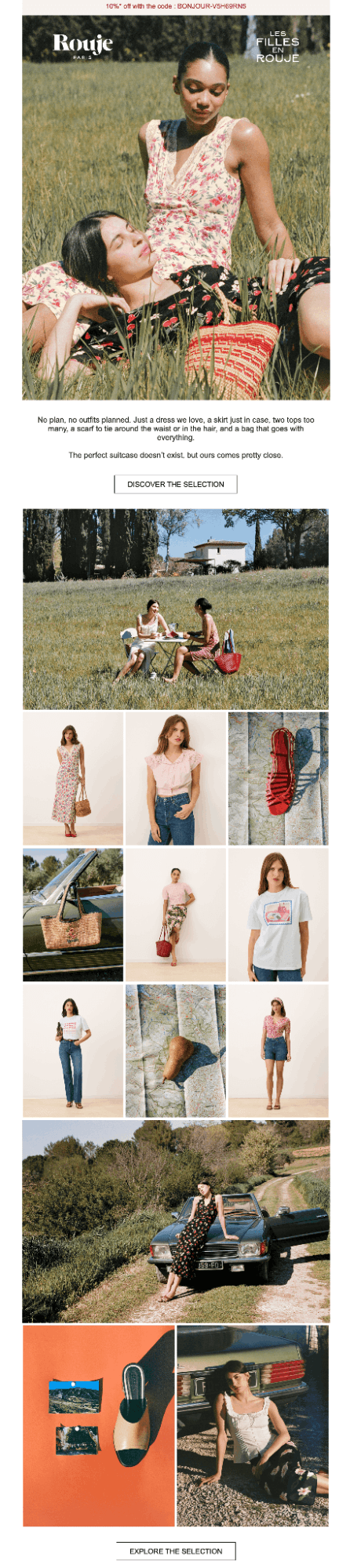
Rouje’s newsletter is a classic example of how fashion brands can use lookbook-style emails to showcase products within a lifestyle context. Instead of presenting individual products with aggressive promotional messaging, the campaign focuses on creating a visual narrative.
The email features large editorial photographs, carefully styled outfits, and a clean layout that allows subscribers to explore an entire collection naturally. Each image feels like part of a fashion magazine spread rather than a traditional sales email.
This approach helps customers visualize how pieces work together and encourages them to shop complete looks instead of individual items.
What Works:
- Uses high-quality editorial photography to create aspiration.
- Presents products within real-life styling scenarios.
- Maintains a premium and sophisticated visual aesthetic.
- Encourages higher average order values through outfit-based merchandising.
- Allows imagery to tell the story with minimal copy.
Key Takeaway: Fashion brands can increase engagement by focusing on inspiration first and sales second. Customers often connect more strongly with a lifestyle than with individual products.
2. Asphalte — Product Launch Campaign
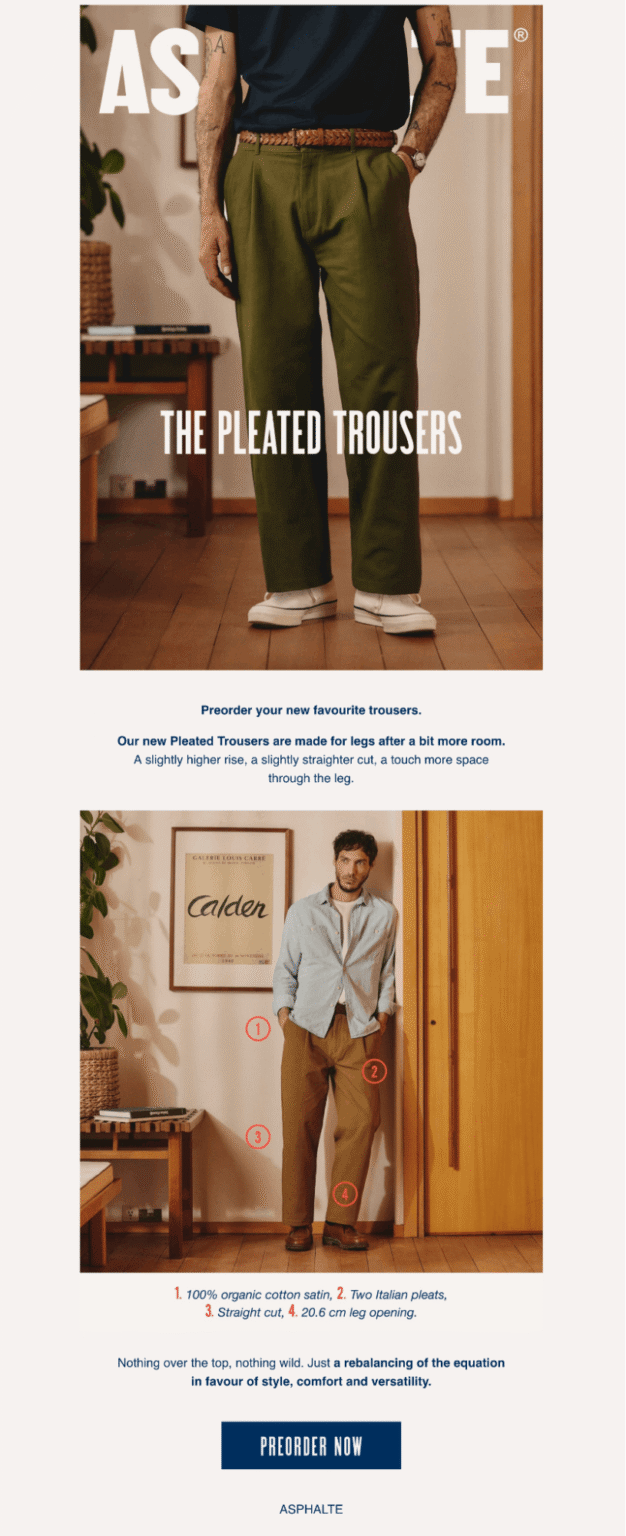
Asphalte demonstrates how to build anticipation around a new product launch. Rather than overwhelming subscribers with multiple offers, the campaign centers around a single product release and communicates its value clearly.
The email combines strong product photography with detailed explanations about design decisions, materials, and production processes. This educational approach helps subscribers understand what makes the product unique.
By focusing attention on one launch, the brand creates a sense of importance and exclusivity.
What Works:
- Keeps attention focused on a single product.
- Uses storytelling to explain product development.
- Highlights craftsmanship and quality.
- Creates excitement around new releases.
- Reduces decision fatigue for subscribers.
Key Takeaway: Product launches perform better when brands explain why the product matters instead of simply announcing its availability.
3. Allbirds — Product Range Newsletter
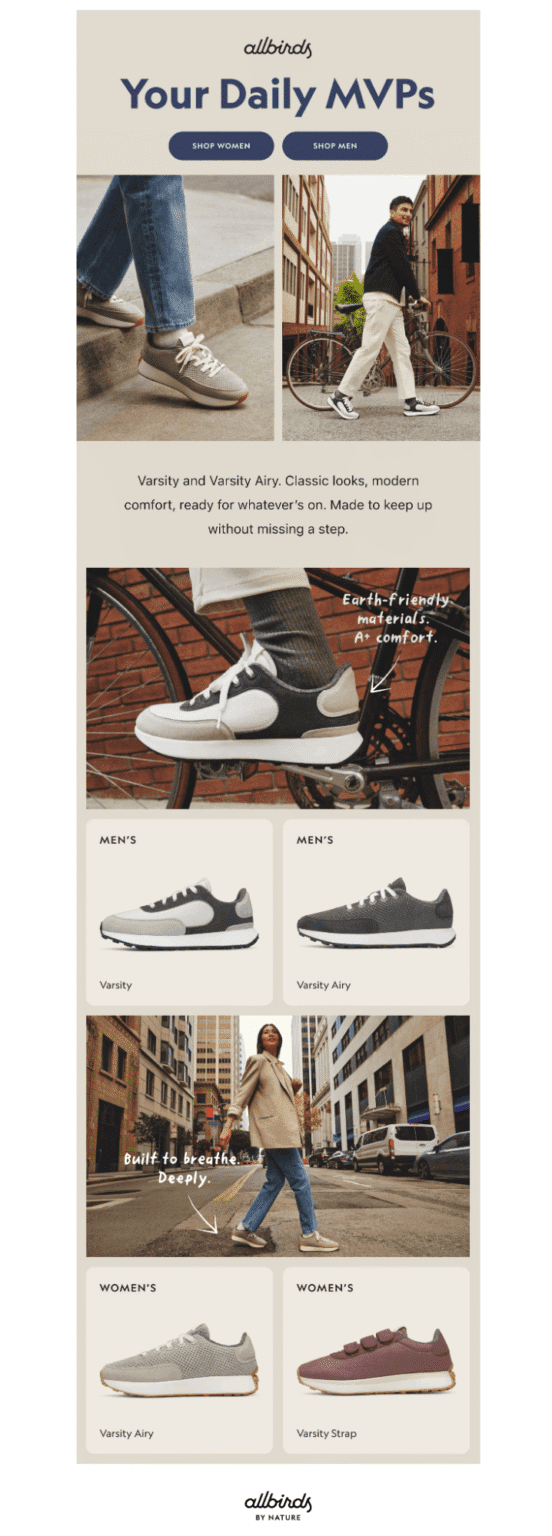
Allbirds takes a broader approach by showcasing multiple products within a single newsletter. The campaign introduces subscribers to various options while maintaining a cohesive visual experience.
Instead of feeling cluttered, the layout uses strong organization and clear visual hierarchy. Products are grouped logically, making it easy for readers to browse different categories and discover items that match their interests.
The newsletter also reinforces the brand’s sustainability positioning through messaging and product descriptions.
What Works:
- Displays multiple products without overwhelming readers.
- Uses clean design and spacing for easy navigation.
- Reinforces core brand values throughout the email.
- Encourages product discovery and cross-selling.
- Creates a seamless shopping experience.
Key Takeaway: When promoting multiple products, organization and visual hierarchy are essential for maintaining clarity and engagement.
4. Highway Robery — Personality Newsletter Example
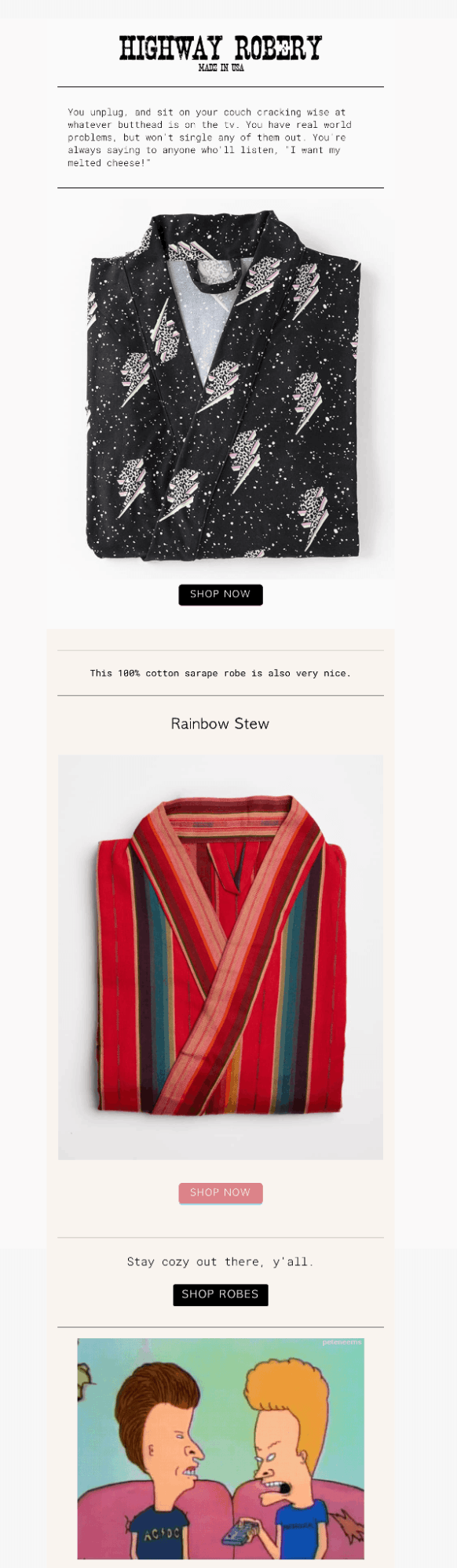
Many fashion emails focus heavily on products, but Highway Robery demonstrates the power of brand personality. The newsletter feels conversational, authentic, and distinct from typical retail promotions.
The campaign uses humor, storytelling, and unique brand voice to connect with subscribers on a personal level. Products remain present, but they are integrated naturally into the narrative rather than dominating the message.
This approach helps transform subscribers into loyal community members.
What Works:
- Establishes a memorable brand voice.
- Creates emotional connections with subscribers.
- Differentiates the brand from competitors.
- Makes promotional content feel less sales-focused.
- Builds long-term customer loyalty.
Key Takeaway: Strong personality can become a competitive advantage in crowded inboxes where many brands look and sound similar.
5. Taylor Stitch — Single Product Email
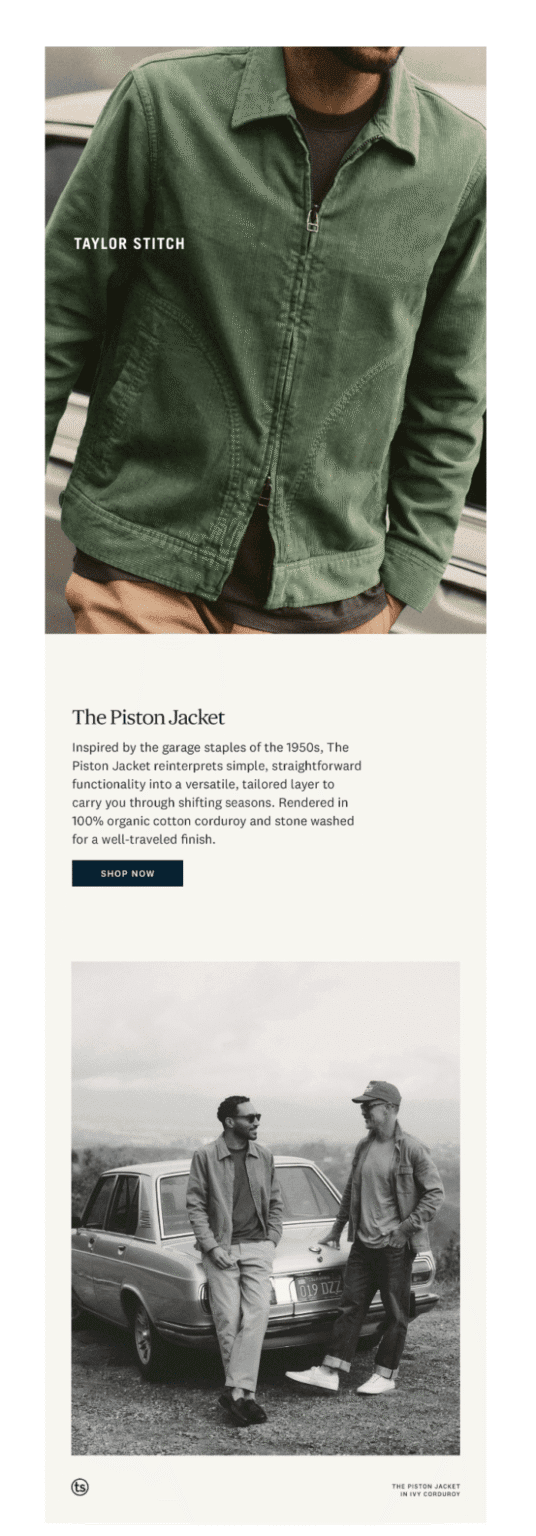
Taylor Stitch provides an excellent example of how to structure a newsletter around a single featured product. Rather than competing for attention with multiple offers, the campaign dedicates the entire email to one item.
The product receives detailed visual treatment, including close-up photography, lifestyle imagery, and explanatory content. Subscribers gain a deeper understanding of the product’s features, craftsmanship, and intended use.
This focused strategy helps create stronger interest and increases the likelihood of conversion.
What Works:
- Eliminates distractions and competing messages.
- Allows for deeper product storytelling.
- Highlights quality, materials, and design details.
- Builds perceived value through focused presentation.
- Creates a premium shopping experience.
Key Takeaway: Sometimes less is more. A single-product campaign can outperform larger promotional emails when executed effectively.
6. Amundsen Sports — Editorial Campaign
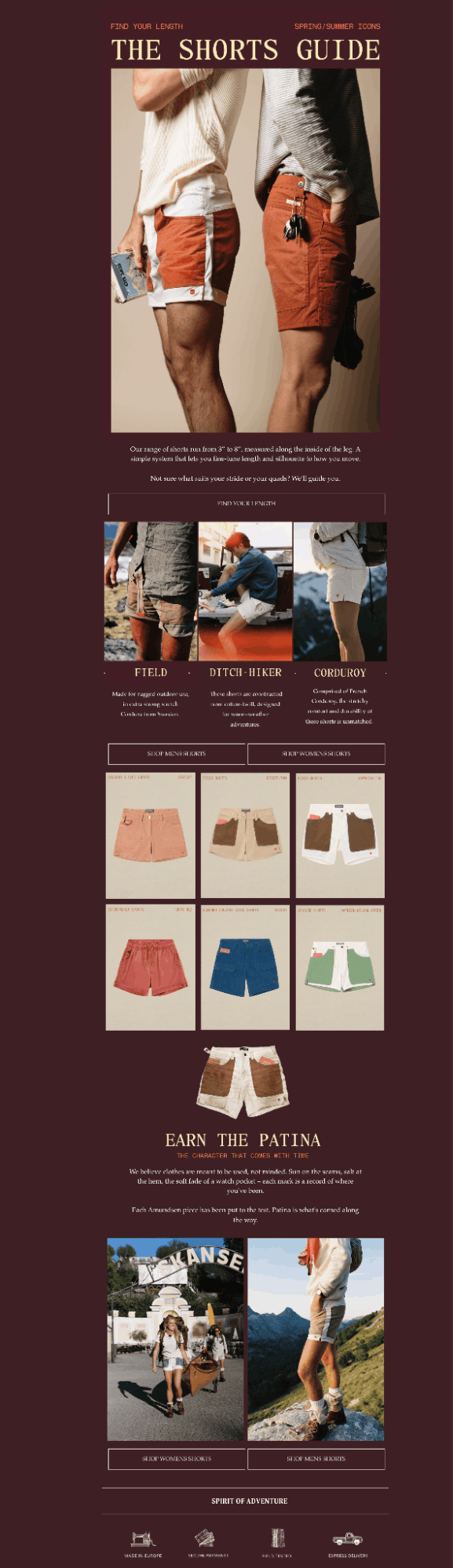
Amundsen Sports blurs the line between content marketing and email marketing through an editorial-style newsletter. Instead of focusing solely on products, the campaign incorporates stories, experiences, and lifestyle content relevant to its audience.
The email resembles a digital magazine, using immersive imagery and long-form storytelling to capture attention. Products are integrated naturally into the content rather than presented as standalone advertisements.
This strategy helps establish the brand as a source of inspiration rather than merely a retailer.
What Works:
- Uses storytelling to engage readers.
- Extends email reading time.
- Creates stronger emotional connections.
- Positions the brand as an authority within its niche.
- Makes product recommendations feel natural.
Key Takeaway: Editorial content can increase engagement by delivering value beyond product promotion.
7. Nomasei — Product Focus Newsletter
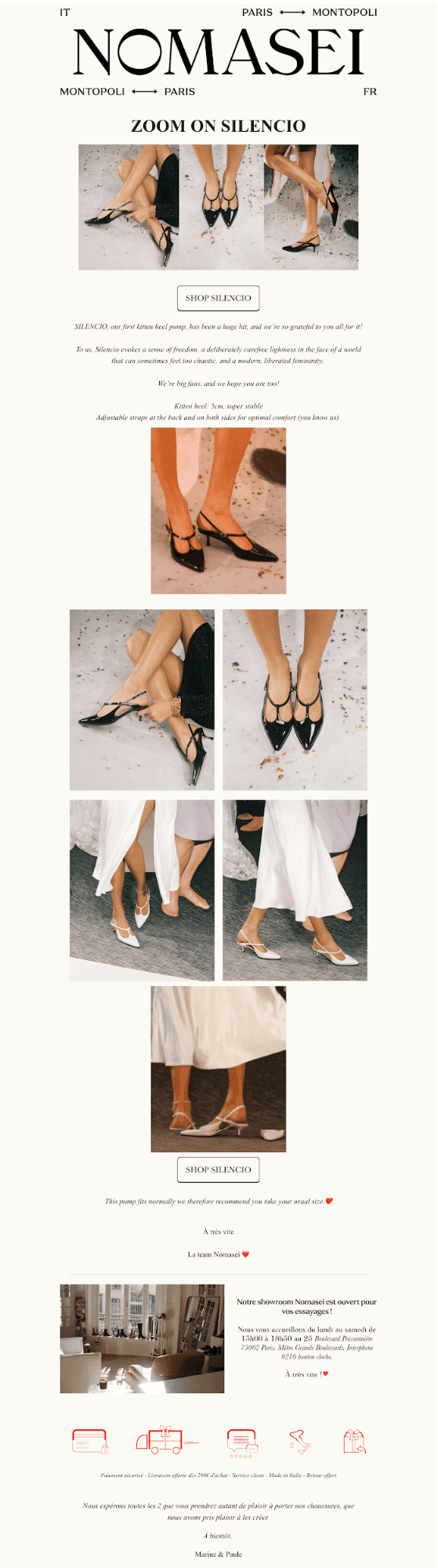
Nomasei’s newsletter demonstrates how brands can create compelling campaigns centered on product quality and craftsmanship. The email uses elegant visuals and carefully written copy to draw attention to a featured collection.
Instead of relying on discounts or urgency tactics, the campaign highlights design philosophy, premium materials, and aesthetic appeal. This approach aligns particularly well with luxury and premium fashion positioning.
The newsletter creates a sense of exclusivity and sophistication that supports the brand’s image.
What Works:
- Focuses on product excellence rather than promotions.
- Uses minimalistic design to reinforce luxury positioning.
- Highlights craftsmanship and attention to detail.
- Creates a premium customer experience.
- Builds perceived value without discounting.
Key Takeaway: Premium fashion brands often achieve better results by emphasizing quality and design rather than price incentives.
8. Kirrin Finch — New Arrivals and Preorders
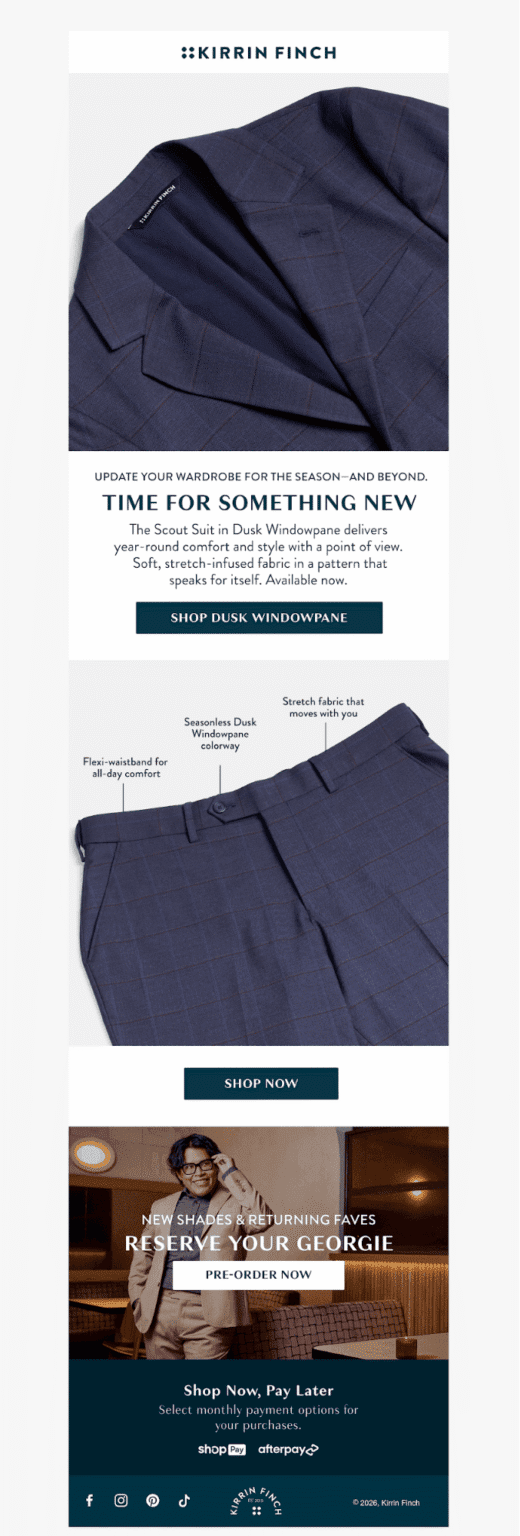
Kirrin Finch effectively combines new product announcements with preorder opportunities. The newsletter introduces upcoming products while encouraging subscribers to secure their purchases before inventory becomes widely available.
The campaign uses product imagery, launch details, and preorder messaging to create anticipation. By offering early access, the brand makes subscribers feel like insiders.
This strategy helps generate demand before products officially launch.
What Works:
- Creates excitement around upcoming releases.
- Uses preorder mechanics to drive early sales.
- Rewards engaged subscribers with exclusive access.
- Generates urgency without appearing overly promotional.
- Builds momentum ahead of launch dates.
Key Takeaway: Preorder campaigns can increase customer engagement while providing valuable demand forecasting insights for brands.
9. The Frankie Shop — Brand Moment Email
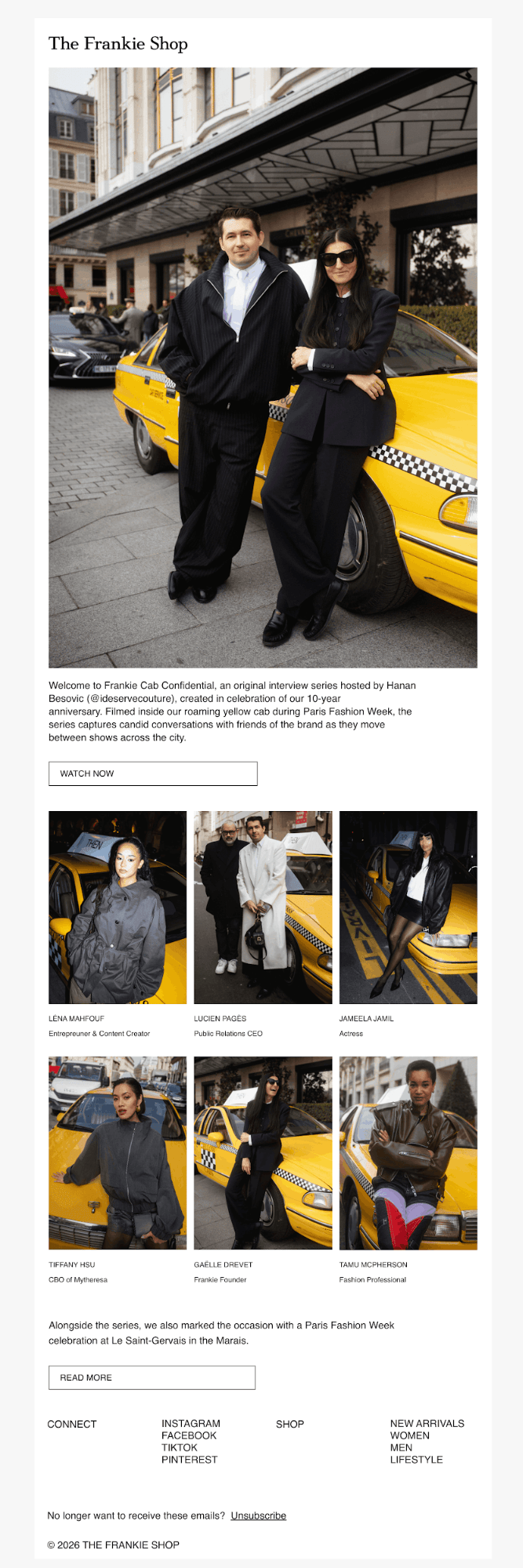
The Frankie Shop demonstrates how fashion brands can create newsletters around cultural moments, seasonal themes, or brand narratives rather than specific product launches.
The campaign focuses on maintaining brand relevance and strengthening emotional connections with subscribers. Products appear within the context of a broader story, making the email feel more editorial than promotional.
This strategy helps reinforce brand identity while keeping audiences engaged between major sales campaigns.
What Works:
- Strengthens brand awareness and recognition.
- Creates content beyond direct product promotion.
- Encourages ongoing subscriber engagement.
- Supports long-term brand building.
- Enhances storytelling opportunities.
Key Takeaway: Not every email needs to sell immediately. Some campaigns should focus on strengthening relationships and brand affinity.
10. Emoi Emoi — Brand Values Newsletter
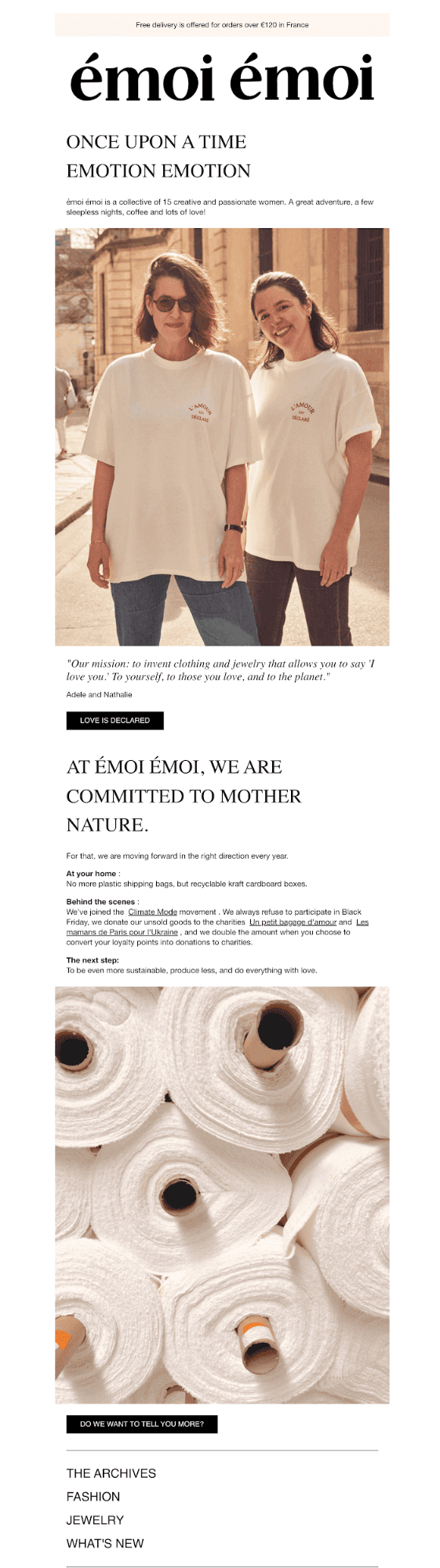
Emoi Emoi provides an excellent example of purpose-driven email marketing. The newsletter highlights the company’s values, mission, and broader perspective while maintaining strong visual appeal.
Rather than focusing exclusively on products, the campaign communicates what the brand stands for. This creates stronger emotional connections with customers who share similar beliefs and priorities.
As consumers increasingly support brands aligned with their values, this approach has become particularly effective in modern fashion marketing.
What Works:
- Communicates authentic brand values.
- Builds trust and credibility.
- Creates emotional connections with customers.
- Differentiates the brand from competitors.
- Strengthens long-term loyalty.
Key Takeaway: Modern consumers increasingly buy from brands whose values align with their own. Purpose-driven newsletters can strengthen those connections while supporting business growth.
Create Fashion Newsletters That Leave a Lasting Impression
If there’s one lesson to take away from these fashion newsletter examples, it’s that successful campaigns aren’t built around a single template or strategy.
The most effective brands start with a clear objective—whether that’s showcasing a new collection, highlighting a signature product, sharing a compelling story, or strengthening their brand identity. Every element of the email, from the visuals and copy to the layout and calls to action, is then carefully designed to support that goal.
This approach applies to brands of all sizes. Whether you’re launching your first email campaign or refining an established email marketing strategy, focusing on a clear message and cohesive design can help your newsletters stand out in increasingly crowded inboxes.
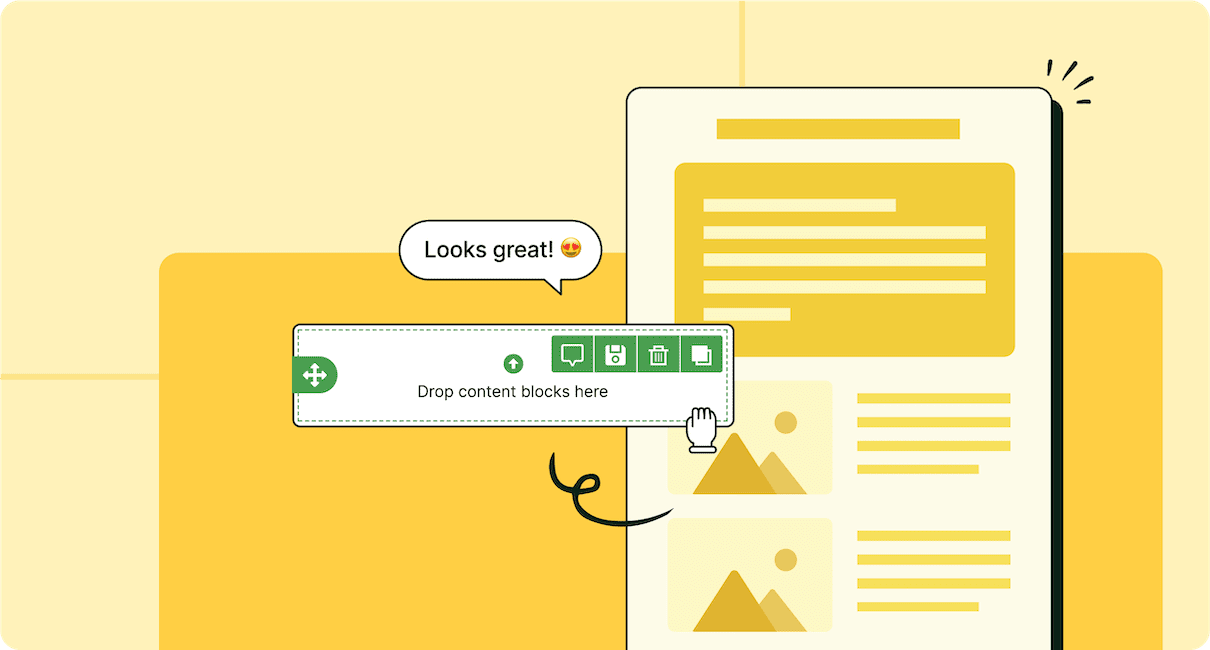
Now it’s time to turn inspiration into action. Create engaging fashion email campaigns with Teno Mail‘s customizable templates, drag-and-drop email builder, audience segmentation tools, and marketing automation features. Start building newsletters that capture attention, strengthen customer relationships, and drive more sales.
Final Thoughts
The most effective fashion newsletters don’t rely on a single formula. Some focus on editorial storytelling, while others prioritize product launches, community building, or brand values. What they all have in common is a clear understanding of their audience and a commitment to creating visually engaging experiences.
As fashion email marketing continues to evolve in 2026, brands that combine compelling design, authentic storytelling, strong branding, and customer-focused messaging will be best positioned to stand out in crowded inboxes. Use these examples as inspiration, adapt the strategies to fit your audience, and continuously test new approaches to discover what drives the strongest results for your brand.
Read More: Email Spam Filters: How to Use Their Rules to Craft Better Emails