In an era dominated by algorithm-driven social feeds and fleeting digital trends, one marketing channel continues to demonstrate remarkable resilience and unmatched return: email. As we move through 2026, email marketing is not a relic of the past but a sophisticated, dynamic engine for business growth. It’s the direct line to your audience’s attention, a personalized space you own, and a tool that consistently delivers extraordinary value for every dollar invested.
Many businesses, however, still overlook its full potential, viewing email as merely a broadcast tool for promotions. This perspective misses the profound strategic advantage email offers. It is the cornerstone for building lasting customer relationships, a laboratory for understanding your audience, and a primary driver of sales and brand authority. From nurturing a single lead to managing a global customer base, email marketing scales with your ambitions.
This guide will explore the 15 fundamental benefits that make email marketing an indispensable part of a modern business strategy. We will begin by examining the compelling statistics that underscore its effectiveness and then delve into each benefit, providing you with a clear understanding of how to harness this powerful channel to connect with your audience, drive meaningful results, and future-proof your marketing efforts in 2026 and beyond.
Top Email Marketing Stats That Will Amaze You
While the value of email marketing is often discussed in qualitative terms, the true scale of its impact is best understood through data. The following statistics, which remain highly relevant as we progress through 2026, paint a compelling picture of a channel that is ubiquitous, preferred, and incredibly effective. These numbers aren’t just trivia; they are the quantitative foundation for building a high-return marketing strategy.
1. Unmatched Return on Investment: $42 for Every $1 Spent
This staggering figure is frequently cited as the average ROI for email marketing, and it continues to set the benchmark for marketing efficiency. This return vastly outperforms most other digital marketing channels, including paid search and social media advertising. The reason for this high ROI lies in email’s unique combination of low cost, direct access to a warmed-up audience, and high levels of personalization. When you email your subscriber list, you are communicating directly with individuals who have already expressed interest in your brand. This eliminates the “cold audience” cost associated with many other advertising forms, allowing for exceptionally efficient conversion and customer retention efforts.
2. Massive and Growing Global Reach: 4.6 Billion Users by 2025
From a base of 4 billion global users in 2020, the email ecosystem is projected to encompass 4.6 billion users by 2025—a figure we are approaching in 2026. This represents over half of the world’s population, making email the largest and most universal digital communication channel. Its growth is driven by its necessity in professional, commercial, and personal contexts. Unlike social media platforms that cater to specific demographics or regions, email is a fundamental utility. For businesses, this means your potential audience is virtually everyone with an internet connection, and your message can be delivered directly to their primary digital inbox, a space they visit daily.
3. The Marketer’s Channel of Choice: 47% Name It Most Successful
When asked to identify their single most effective marketing channel, 47% of marketers chose email. It outranked social media marketing (39%), SEO (33%), and content marketing (33%). This preference underscores email’s reliability and direct measurability. Marketers value channels where they can control the message, own the audience relationship, and clearly trace a path from campaign to conversion. Email provides this in a way that organic social media (subject to algorithmic whims) and even some paid channels often do not. It is seen as a dependable workhorse that consistently drives key performance indicators.
4. Consumer Willingness: 49% Want Weekly Promotional Emails
Contrary to the myth that consumers are overwhelmed by email, nearly half of buyers report that they want to receive weekly promotional emails from brands they like. This highlights a crucial distinction: people are not opposed to email; they are opposed to irrelevant email. For a subscribed audience that trusts your brand, regular communication is not only welcome but expected. This stat is a mandate for consistency and value-driven content. It confirms that a well-managed email list is an asset of engaged individuals actively seeking offers, updates, and insights from your business.
5. Consistent Engagement: Average Open Rates of 21.33%
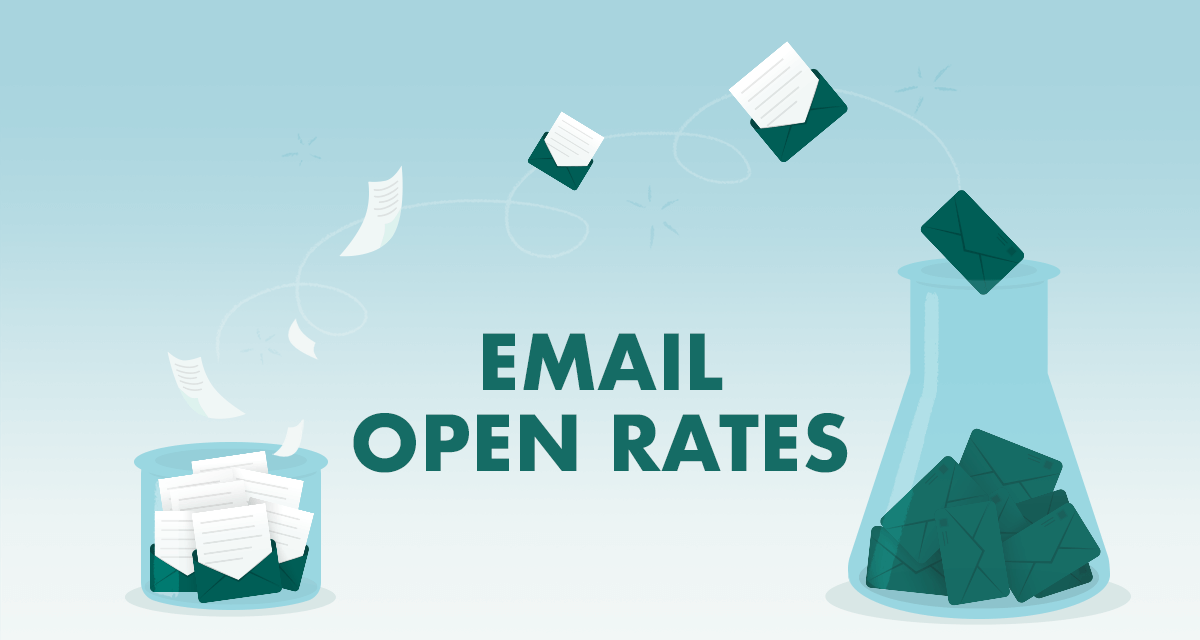
The average open rate for newsletters across industries stands at a healthy 21.33%. This metric is critical as it represents the first hurdle of engagement—capturing attention in a crowded inbox. While open rates vary by industry (e.g., Government vs. Retail), this average demonstrates a strong baseline level of consumer responsiveness. It also emphasizes the importance of foundational elements like a recognizable sender name, a compelling subject line, and proper list hygiene. A focus on improving this rate, even by a few percentage points, can significantly amplify the reach and impact of every campaign you send.
6. The Power of Incentives: 63% Open Emails Seeking Discounts
This statistic reveals a key driver of consumer behavior: value. Nearly two-thirds of consumers explicitly state they open emails specifically to find discounts and deals. This makes email the premier channel for driving promotional campaigns, flash sales, and customer loyalty rewards. It’s a direct line to consumers in a “shopping mindset.” Savvy businesses leverage this by using targeted promotional emails not just for broad sales, but for personalized offers based on past purchase behavior, cart abandonment, or subscriber milestones, thereby dramatically increasing conversion likelihood.
7. The Shift to Automation: 51% of Businesses Use It
A little over half of all businesses now utilize marketing automation, a number that continues to climb. Automation represents the evolution of email from a broadcast medium to a responsive communication system. This includes triggered emails like welcome series, abandoned cart reminders, post-purchase follow-ups, and behavior-based nurturing flows. Automation ensures timely, relevant communication that scales effortlessly. The 51% adoption rate indicates a growing competitive divide; businesses using automation are able to deliver more personalized experiences with less manual effort, while those not using it risk falling behind in efficiency and customer engagement.
These statistics collectively affirm that email marketing is a profound business asset. It offers the deepest ROI, reaches a universal audience, is trusted by marketers, welcomed by consumers, and is being made smarter through automation. Understanding these numbers is the first step in moving from sending occasional emails to architecting a strategic channel that fuels sustainable growth.
15 Email Marketing Benefits That Make A Difference
While the impressive statistics make a strong case, the true power of email marketing is revealed in the tangible, strategic advantages it delivers to businesses daily. These benefits transform email from a simple communication tool into a central pillar for growth, customer loyalty, and market understanding. The first three advantages—personalization, brand building, and sales growth—form a critical foundation for success.
1. Building Personalized Content at Scale
In the modern digital landscape, generic, one-size-fits-all messaging is not just ineffective—it’s often ignored. The premier benefit of email marketing is its unparalleled capacity for personalization. This goes far beyond inserting a recipient’s first name in a subject line. True personalization leverages customer data to deliver highly relevant content, product recommendations, and offers that resonate on an individual level.
This is achieved through audience segmentation. By dividing your email list into specific groups based on demographics, past purchase behavior, website activity, or engagement levels, you can tailor your messaging to match distinct needs and interests. For instance, a new subscriber might receive a welcome series educating them about your brand’s values, while a frequent buyer receives an exclusive loyalty reward. Automation platforms are the engine that makes this scalable, allowing you to set up triggered email sequences (like abandoned cart reminders or post-purchase follow-ups) that send the perfect message at the perfect moment without manual intervention.
The result is a dramatic increase in engagement metrics. Recipients perceive your brand as attentive and helpful, which directly boosts open rates, click-through rates, and, most importantly, conversion rates, laying the groundwork for a lasting relationship.
Subject line: We saved these and got you 20% off
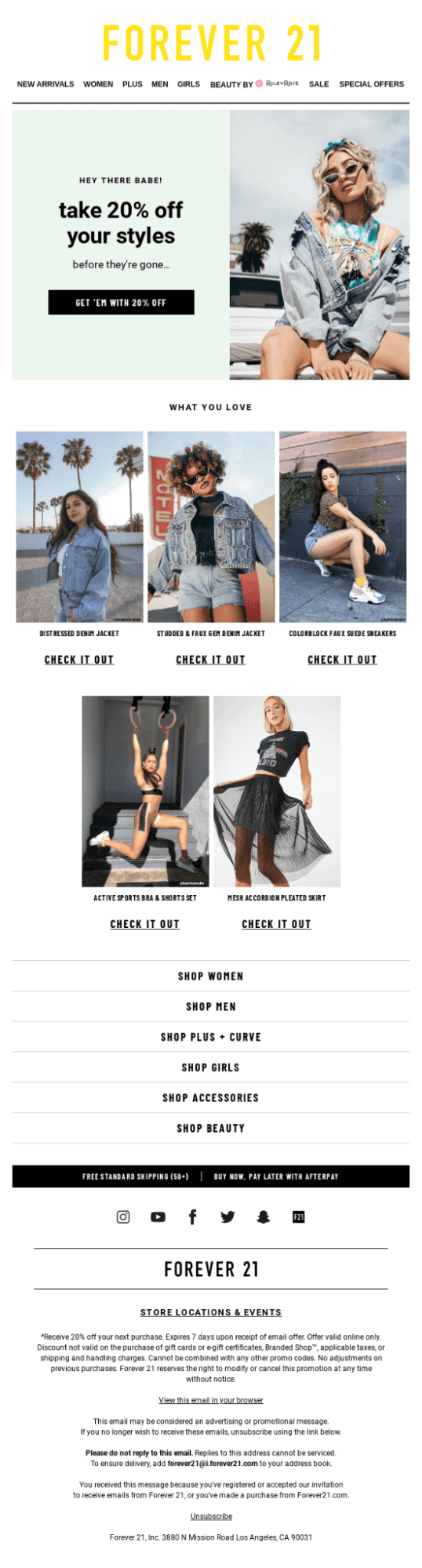
2. Creating and Sustaining Brand Awareness
Email marketing serves as a direct and consistent touchpoint to keep your brand at the forefront of your audience’s mind. Every email that lands in an inbox is an opportunity to reinforce your brand identity. Through the consistent use of logos, color schemes, typography, and a distinctive brand voice, each communication becomes a building block in your audience’s perception of who you are.
This regular presence is key to top-of-mind awareness. While social media posts can be fleeting, an email sits in an inbox until opened or deleted, offering a lasting impression. By delivering a steady stream of valuable content—whether educational newsletters, insightful blog posts, or updates about your company’s mission—you transition from being just another company to becoming a trusted resource and a familiar presence in your customer’s daily life. This repeated, positive exposure builds recognition and trust, making customers significantly more likely to choose your brand over an unfamiliar competitor when they are ready to make a purchase.
3. Increasing Sales and ROI: The Direct Revenue Driver
Email marketing’s reputation for delivering an exceptional return on investment is directly tied to its ability to drive sales efficiently and predictably. It is one of the most effective channels for promoting products, recovering lost sales, and nurturing leads down the funnel.
Strategically, email excels in several revenue-focused areas:
-
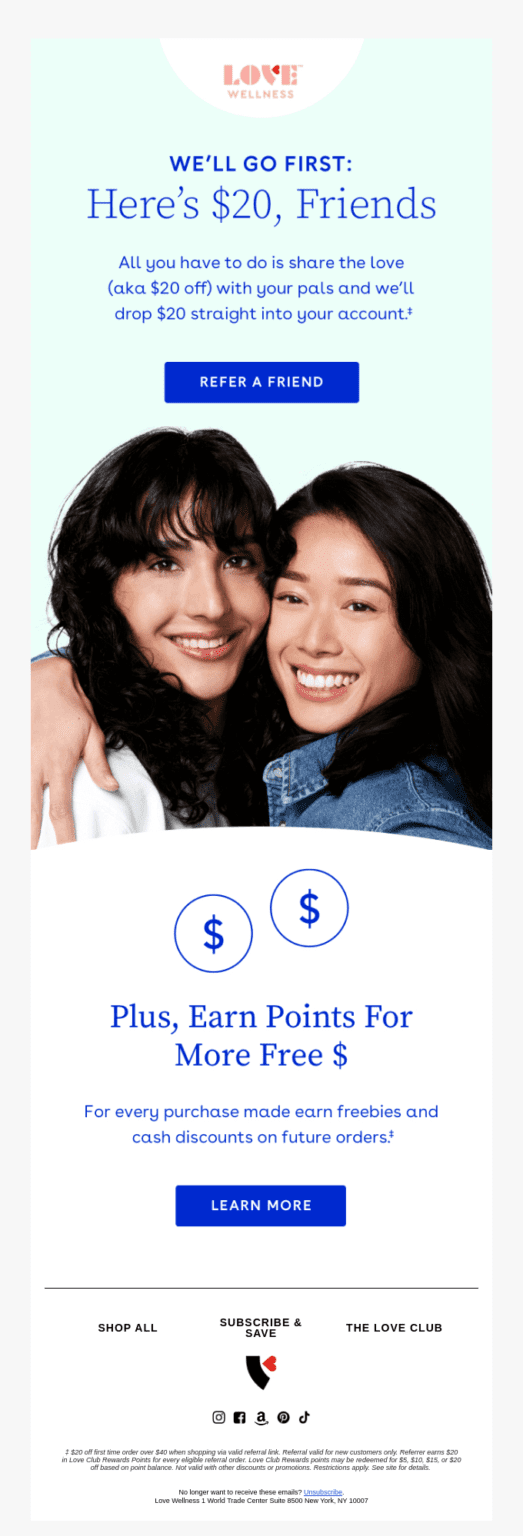
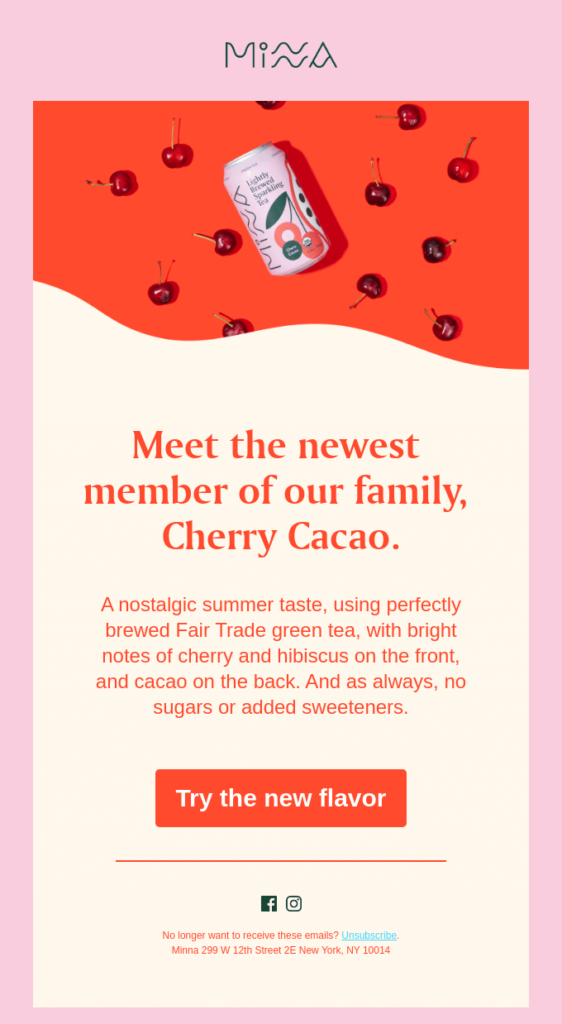
Promotional Campaigns: Targeted emails featuring discounts, seasonal offers, or new product launches are opened by consumers actively seeking deals, leading to direct sales.
-
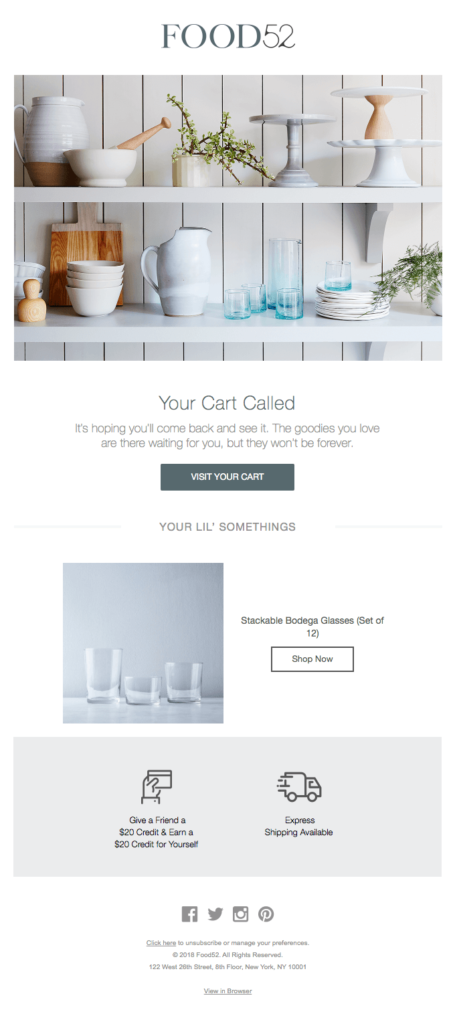
Cart Abandonment Recovery: Automated emails sent to users who left items in their online shopping cart are incredibly effective. These messages remind, reassure, and often incentivize the customer to complete their purchase, recovering revenue that would otherwise be lost.
-
Upselling and Cross-Selling: Based on a customer’s purchase history, you can recommend complementary products or premium upgrades, increasing the average order value.
-
Lead Nurturing: For longer sales cycles, a series of automated educational emails can gently guide a prospect from initial interest to a purchase decision, warming them up until they are ready to buy.
The direct measurability of email campaigns—tracking opens, clicks, and conversions—allows for precise calculation of ROI. You can clearly see which campaigns generate revenue, enabling you to double down on what works and optimize your strategy for continuous improvement, ensuring every dollar spent contributes directly to your bottom line.
Subject line: Oooh, good choice! We set it aside for you.