Email marketing remains one of the most powerful tools in digital marketing today. While many new channels appear every year, email continues to deliver strong and steady results for businesses of all sizes. It works because it connects you directly with people who already have an interest in your brand.
Unlike social media or paid ads, email allows you to reach your audience without relying on changing algorithms. Your message goes straight to the inbox, where users check daily. This gives your brand a better chance to be seen, read, and acted on.
Another key reason behind its importance is control. You own your email list, and you decide when and how to communicate. This makes email a stable and reliable channel for long-term growth.
On top of that, email marketing supports many goals. You can use it to build relationships, promote products, share updates, or guide users through your sales funnel. It is flexible, measurable, and easy to improve over time.
For businesses looking to grow smarter, not just faster, email marketing is a must-have strategy.
Email marketing has the highest ROI
One of the biggest reasons to invest in email marketing is its unmatched return on investment (ROI). Compared to other marketing channels, email consistently delivers more value for every dollar spent.
Studies show that businesses can earn around $36 to $42 for every $1 spent on email marketing. In some cases, the return can go even higher depending on strategy and optimization.
This high ROI happens for several reasons.
First, email reaches people who already know your brand. These users are more likely to engage, click, and buy. That means higher conversion rates compared to cold audiences.
Second, email allows repeated communication without extra cost. Once someone joins your list, you can continue to send updates, offers, and useful content. This builds trust and increases the chance of future sales.
Third, automation plays a big role. Automated emails like welcome messages or abandoned cart reminders can generate much higher revenue than regular campaigns. In fact, automated workflows can drive significantly more returns than one-time emails.
Another key factor is targeting. With segmentation and personalization, you can send the right message to the right person. This improves engagement and boosts results even more.
In simple terms, email marketing helps you spend less while earning more. That is why it remains the top-performing channel for ROI.
Email marketing requires minimal operational costs
Email marketing is not just powerful—it is also very affordable. Compared to traditional and digital marketing channels, it requires very low operational costs.
You do not need a large budget to get started. Most email platforms offer flexible pricing based on your list size. Some even provide free plans for beginners. This makes email marketing accessible to small businesses and startups.
There are also fewer ongoing expenses. You do not need to pay for ad space, printing, or media placements. Once your email list is built, the cost of sending messages is very low.
Another benefit is that one campaign can be reused and improved. You can edit content, test subject lines, and optimize emails without starting from scratch. This saves both time and money.
Email marketing also reduces the need for large teams. With the help of automation tools, you can schedule campaigns, segment audiences, and track performance with minimal effort.
Because of this, even a small team can run effective email campaigns without heavy investment.
Email marketing offers a smart way to reach your audience without high spending. It allows you to grow your business while keeping costs under control.
Email marketing helps acquire new customers at a low cost

Email marketing is one of the most cost-effective ways to attract new customers. Unlike paid ads, where you must keep spending to stay visible, email allows you to reach people repeatedly at almost no extra cost.
The process often starts with simple lead generation. You can collect email addresses through sign-up forms, discounts, or free resources. Once someone joins your list, you can guide them step by step until they become a customer.
This approach reduces acquisition costs in several ways.
First, you target people who already showed interest. These leads are warmer than random users, so they convert faster and at a lower cost.
Second, email campaigns can be reused and improved. A single welcome series or promotional flow can keep bringing in new customers over time without rebuilding everything.
Third, segmentation helps you send the right offer to the right audience. This increases conversion rates and avoids wasting effort on uninterested users.
Also, automation plays a strong role here. For example, welcome emails or special offers can turn new subscribers into paying customers without manual work.
Email marketing helps you grow your customer base without high spending. It gives you a steady and affordable way to turn interest into real sales.
Email marketing fosters direct and personalized communications
Email marketing creates a direct line between your business and your audience. You are not competing with endless posts or changing algorithms. Your message lands right in the user’s inbox.
This direct access makes communication more personal and meaningful.
With the help of data, you can send emails that match each user’s interests, behavior, or needs. This is where personalization becomes powerful. In fact, more than 85% of marketers already use some form of personalization in email campaigns.
Personalized emails perform much better than generic ones. They can increase open rates, clicks, and even sales. Studies show that personalized emails can deliver higher engagement and conversion rates compared to non-personalized messages.
This happens because people respond better to relevant content. When users receive emails that match their interests, they feel understood and valued.
Segmentation also improves communication. Instead of sending the same message to everyone, you can divide your audience into smaller groups. Each group gets content that fits their needs.
For example, a new subscriber may receive a welcome email, while a returning customer gets product recommendations. This makes your communication feel more human and less like mass marketing.
Email marketing helps you build real relationships. It turns simple messages into meaningful conversations that drive trust and loyalty.
Email marketing provides access to unique data
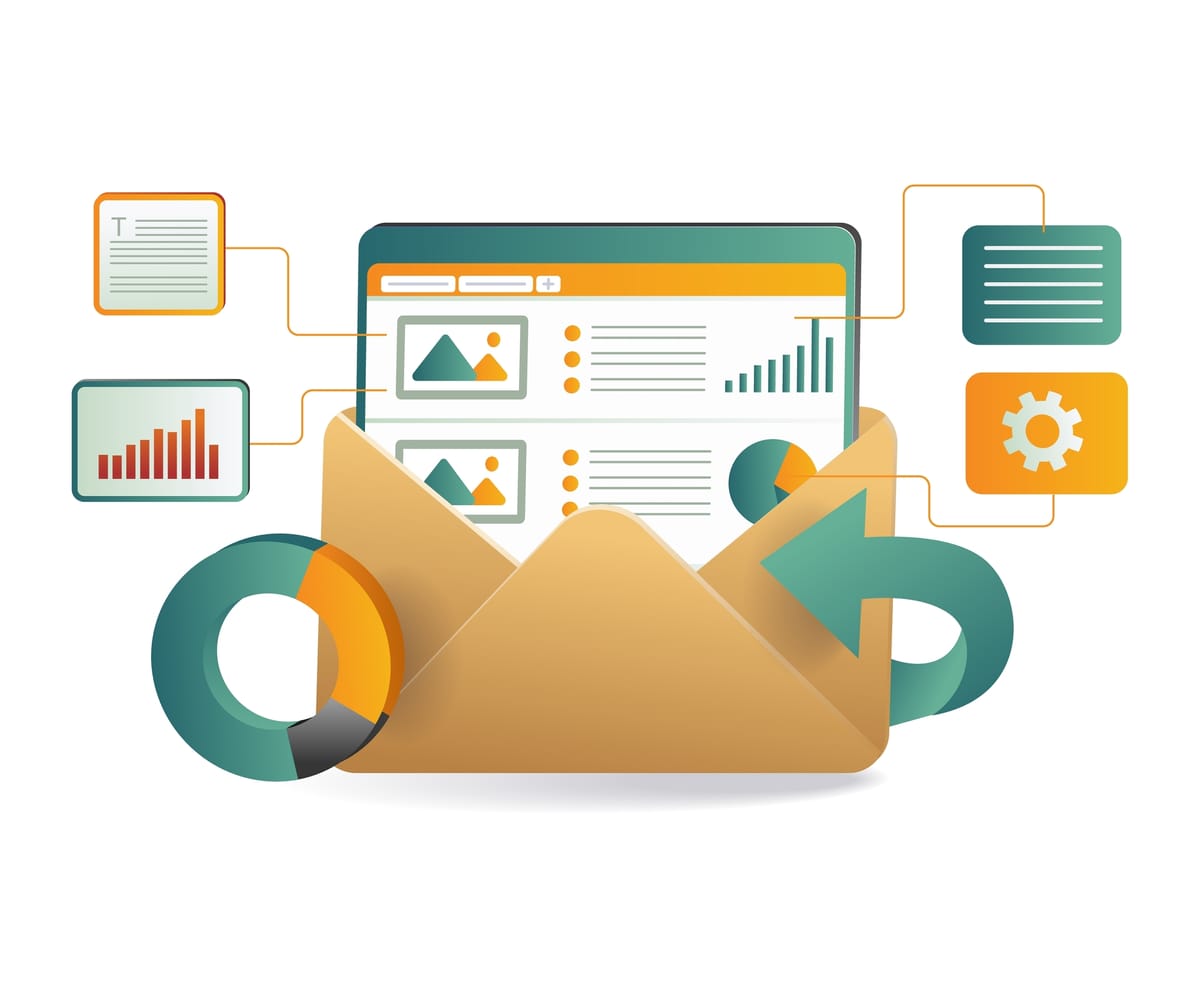
One of the strongest advantages of email marketing is the access to valuable data. This data helps you understand your audience and improve your strategy over time.
When users interact with your emails, they leave behind useful signals. These include open rates, click behavior, purchase history, and preferences. This type of data is often called first-party or zero-party data.
Today, this data is more important than ever. With the decline of third-party cookies, many marketers now rely on data collected directly from users. In fact, a large number of successful campaigns depend on user-provided data such as preferences and survey responses.
This data allows you to make smarter decisions.
You can learn what type of content your audience likes. You can see which offers work best. You can even predict future behavior based on past actions.
For example, if a user clicks on a product category often, you can send them similar recommendations. This improves both engagement and sales.
Data also helps with segmentation and personalization. The more you understand your audience, the more relevant your emails become.
Email marketing gives you insights that many other channels cannot provide. It helps you move from guessing to making data-driven decisions.
Email marketing outcomes can be easily measured (and optimized!)
Email marketing stands out because it is easy to measure. Almost every action can be tracked, analyzed, and improved.
You can monitor key metrics such as:
- Open rates
- Click-through rates (CTR)
- Conversion rates
- Bounce rates
- Unsubscribe rates
These metrics give you a clear picture of how your campaigns are performing.
For example, click-through rates show how many people engage with your content. Conversion rates tell you how many users take action, such as making a purchase. Typical email conversion rates often range between 1% to 5%, depending on the campaign and targeting.
What makes email marketing even better is optimization.
You can run A/B tests to compare different subject lines, designs, or content. This helps you find what works best. Over time, small improvements can lead to much better results.
Advanced tools also allow real-time optimization. You can adjust send times, personalize content, and refine targeting based on user behavior.
Data-driven testing plays a big role here. Marketers who use testing and analytics often achieve higher performance and better ROI because they base decisions on real results.
Email marketing is not just measurable—it is highly improvable. You can track everything, learn quickly, and keep getting better results with each campaign.
Email marketing offers budget optimization options
Email marketing gives you strong control over how you spend your budget. Unlike many marketing channels, you can adjust your strategy at any time without wasting money.
One of the biggest advantages is flexibility. You can start with a small budget and scale up only when you see results. This means you are not forced to invest heavily upfront. Instead, you can test campaigns, learn what works, and then invest more in high-performing strategies.
Another key benefit is precise targeting. With segmentation and personalization, you avoid sending emails to people who are not interested. This reduces wasted effort and helps you use your budget more efficiently. In fact, targeted email campaigns can generate significantly higher revenue compared to non-targeted ones.
Email marketing also supports continuous improvement. You can analyze campaign performance and shift your budget toward better-performing emails. For example, if one campaign brings more conversions, you can focus more resources on similar content.
Automation further improves budget efficiency. By automating repetitive tasks, businesses reduce manual work and lower operational costs. Studies show that automation can reduce marketing overhead while increasing productivity.
Email marketing helps you spend smarter. It ensures that every dollar is used in the most effective way.
Email marketing can be automated at scale
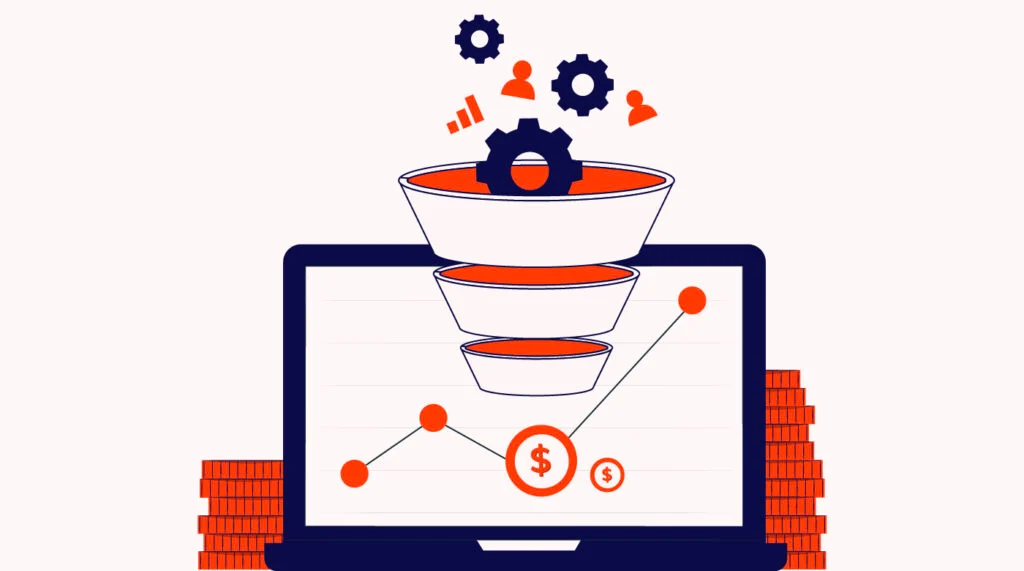
Automation is one of the most powerful features of email marketing. It allows businesses to send the right message to the right person at the right time—without manual effort.
With automation, you can set up workflows that run in the background. These workflows are triggered by user actions, such as signing up, making a purchase, or leaving a cart. Once set, the system handles everything automatically.
For example, you can create:
- Welcome email series
- Abandoned cart reminders
- Follow-up emails
- Re-engagement campaigns
These automated emails often perform better than regular campaigns. Triggered emails can have much higher open rates and engagement because they are timely and relevant.
Automation also saves time. Instead of sending emails manually, your team can focus on strategy and content. This is especially helpful for small teams with limited resources.
Another major benefit is scalability. Whether you have 100 subscribers or 100,000, automation allows you to communicate with all of them efficiently. You do not need to increase your team size as your list grows.
Automation turns email marketing into a system that works for you 24/7. It improves efficiency, increases engagement, and supports long-term growth.
Email marketing offers opportunities for versatile content
Email marketing is not limited to one type of content. It gives you the freedom to share many kinds of messages based on your goals.
You can use email to:
- Share newsletters and updates
- Promote products or services
- Send educational content like guides or tips
- Announce events or launches
- Offer discounts and special deals
This flexibility makes email marketing suitable for every stage of the customer journey.
You can also use different formats to keep your audience engaged. Emails can include images, videos, buttons, and even interactive elements. For example, adding videos or visuals can increase engagement and click rates.
Another advantage is content customization. You can adjust your message based on user behavior or preferences. This ensures that each subscriber receives content that feels relevant and useful.
Email also supports storytelling. You can build a series of emails that guide users from awareness to purchase. This helps create a stronger connection with your audience.
Email marketing gives you creative freedom. You can deliver value in many ways while keeping your audience interested and engaged.
Email marketing allows you to own your contact list
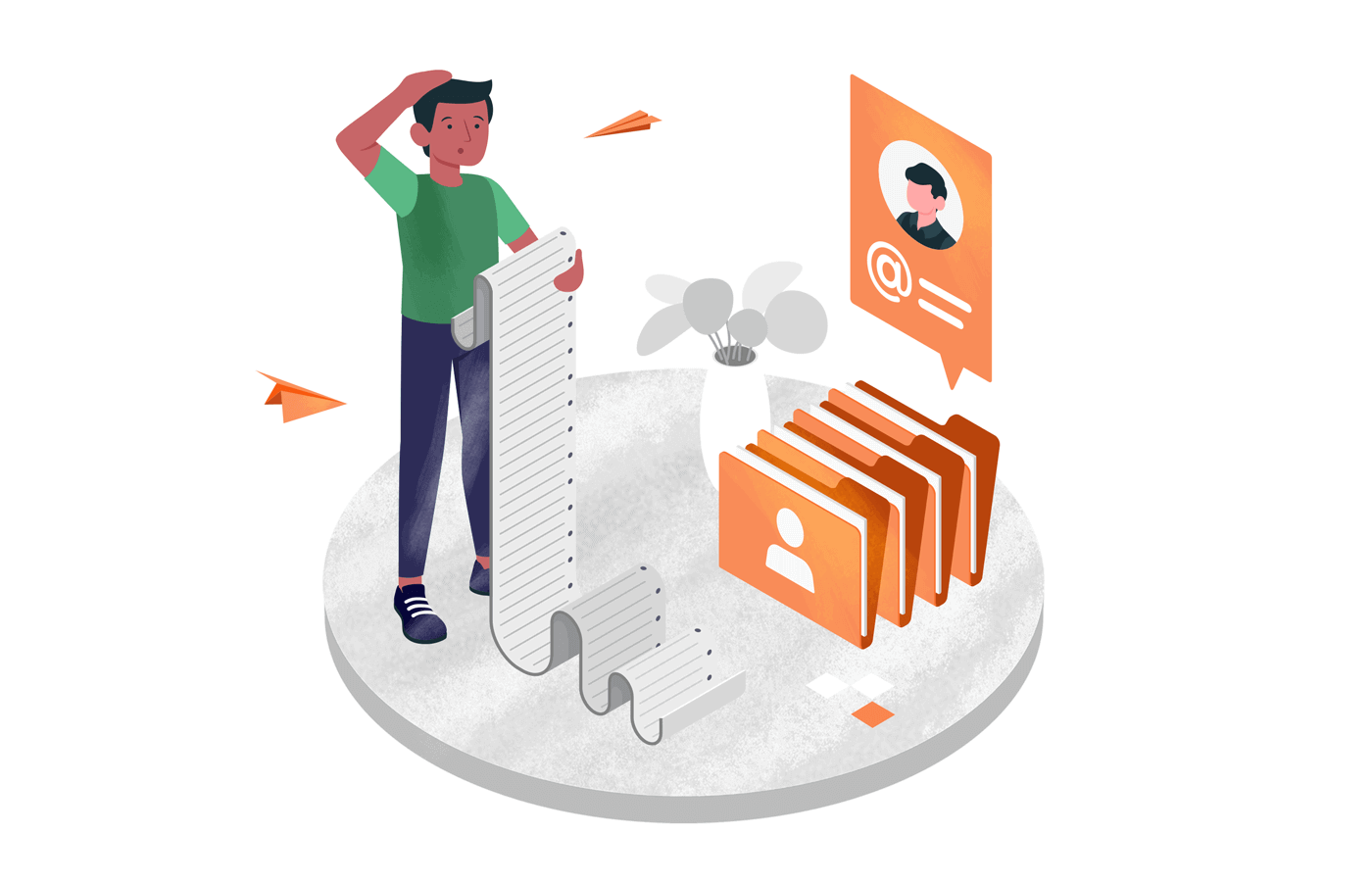
One of the most important benefits of email marketing is ownership. When you build an email list, you fully control it.
This is very different from social media platforms. On those platforms, your reach depends on algorithms. Even if you have many followers, only a small percentage may see your content.
With email marketing, you do not face this problem. Your message goes directly to your subscribers’ inbox. This gives you a reliable way to التواصل (reach) your audience anytime.
Owning your contact list also means long-term stability. Platforms may change rules, reduce reach, or even shut down accounts. But your email list remains your asset.
Another advantage is better relationship building. Since users choose to join your list, they are more interested in your brand. This leads to stronger engagement and higher trust.
You also gain better control over data. You can track user behavior, segment your audience, and improve your campaigns without relying on third-party platforms.
Your email list is one of your most valuable assets. It gives you independence, control, and a direct connection with your audience.
Email marketing presents huge remarketing potential
Email marketing gives you a powerful way to reconnect with people who already interacted with your business. This is known as remarketing, and it is one of the most effective ways to increase conversions.
Many users do not take action the first time they visit your website. They may browse products, read content, or even add items to their cart, but leave without buying. Email marketing helps you bring them back.
You can send targeted follow-up emails based on user behavior. For example:
- Abandoned cart reminders
- Product recommendation emails
- Follow-ups after website visits
- Re-engagement campaigns for inactive users
These emails work well because they are highly relevant. You are not reaching out to strangers. You are reminding people who already showed interest.
Remarketing emails often lead to higher conversion rates compared to regular campaigns. This is because the audience is already familiar with your brand and closer to making a decision.
Another advantage is timing. With automation, emails can be sent at the right moment. For example, an abandoned cart email sent within a few hours can encourage users to complete their purchase.
You can also personalize remarketing messages using past behavior. This makes your emails more useful and increases engagement.
Email marketing helps you recover lost opportunities. It turns missed chances into real sales by bringing users back when they are most likely to act.
Make the best of your marketing budget by investing in emails starting today
Email marketing becomes even more powerful when you use the right tools. Platforms like Teno Mail make it easier to run effective campaigns without wasting time or budget.
Teno Mail is designed to help businesses manage email marketing in one place. It allows you to create campaigns, automate workflows, and track performance with ease.
One of its key strengths is simplicity. You can design professional emails using easy tools and reusable templates. This helps you launch campaigns faster without needing technical skills.
The platform also supports powerful automation. You can set up trigger-based workflows such as welcome emails, follow-ups, and lifecycle campaigns. This saves time and ensures your audience gets the right message at the right moment.
Another major benefit is scalability. Whether you are sending emails to a small list or a large audience, the system is built to handle high-volume sending with stable delivery.
Teno Mail also includes advanced analytics and reporting tools. You can track opens, clicks, and engagement in real time. This helps you understand what works and improve your campaigns over time.
It also supports audience segmentation and personalization. This means you can send targeted emails that match user behavior and preferences, leading to better results.
Another useful feature is integration. You can connect it with CRM systems, e-commerce platforms, and analytics tools. This allows you to sync data, automate workflows, and improve overall marketing performance.
Investing in email marketing is not just about sending messages. It is about building a system that drives growth. With the right platform, you can save money, improve efficiency, and achieve better results from your marketing efforts. Start using Teno Mail today!
Read More: 8 Best Email Marketing Tips: Personal Insights for Improving Email Campaigns