You send a campaign, review the results, and notice something strange: a subscriber who regularly engages with your emails suddenly appears as unsubscribed. Even more confusing, the unsubscribe happens almost immediately after delivery, often before the recipient has had a chance to open the message.
In many cases, the subscriber did not intentionally opt out. Instead, an automated security system may have triggered the unsubscribe action while scanning the email.
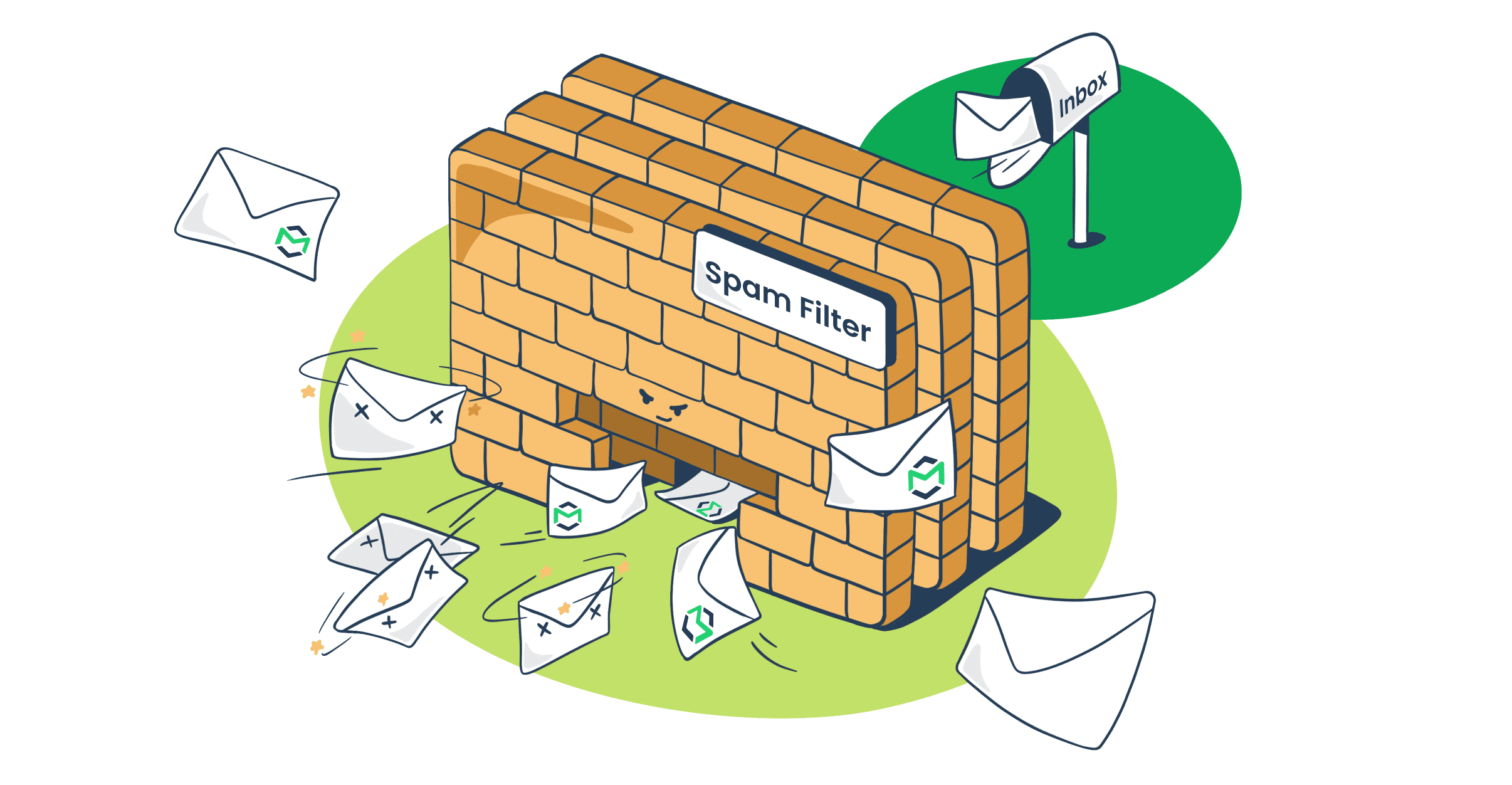
As organizations continue to strengthen their cybersecurity defenses in 2026, email security gateways, link-scanning services, and threat-detection tools have become increasingly aggressive. These systems are designed to protect users from phishing attacks, malware, malicious redirects, and other email-based threats. To do this, they often inspect every link contained in an email before the message reaches the recipient’s inbox.
The challenge for marketers is that unsubscribe links can look like any other URL to an automated scanner. If the security system follows or clicks that link during its inspection process, the email platform may interpret the action as a legitimate unsubscribe request. As a result, a perfectly valid subscriber can be removed from your mailing list without ever intending to leave.
This issue is becoming more common across corporate and enterprise environments where advanced email protection solutions actively analyze incoming messages. Marketing teams may see unexplained unsubscribes, unusual engagement patterns, or contacts claiming they never requested removal from a mailing list.
Understanding why security bots trigger these unsubscribes, how different email security systems operate, and what steps you can take to reduce the risk is essential for maintaining accurate subscriber data and protecting your email marketing performance.
Why Bots Unsubscribe You Automatically

Security bots do not unsubscribe from emails because they want to leave your mailing list. They do it because they are performing automated security checks.
Modern email security platforms routinely scan incoming emails before they reach the end user. Their primary goal is to identify malicious links, suspicious redirects, phishing attempts, and malware-hosting websites. To verify that a link is safe, these systems may automatically visit URLs embedded in the email.
Depending on the security solution being used, the scanning process can include:
- Opening links found in the email
- Following redirects
- Testing destination pages
- Checking website reputation databases
- Analyzing link behavior in real time
- Inspecting one-click action URLs
For marketers, the problem often arises when an unsubscribe link is configured as a single-click action.
Many email platforms support one-click unsubscribe functionality to comply with industry standards and improve the subscriber experience. Under normal circumstances, this is beneficial because it allows recipients to leave a mailing list quickly and easily.
However, automated security scanners do not always distinguish between a regular content link and an unsubscribe link. When the scanner follows that URL during its inspection process, the email system may record the visit as a valid unsubscribe request and immediately remove the contact from the mailing list.
This can create several confusing situations:
- Subscribers claim they never unsubscribed.
- Unsubscribes occur seconds after email delivery.
- Active contacts disappear from campaigns unexpectedly.
- Corporate recipients show higher unsubscribe rates than consumer email users.
- Marketing metrics become less reliable.
Because these actions originate from security software rather than human behavior, the unsubscribe event may look legitimate in reporting systems even though no real user interaction occurred.
As email security technologies continue evolving, accidental unsubscribes caused by automated link scanning have become a recognized challenge for email marketers, particularly when communicating with enterprise organizations and large businesses.
Why Microsoft Tools Trigger This More Often
While accidental unsubscribes can occur with various security platforms, marketers frequently notice the issue among recipients using Microsoft-based email environments.
Many organizations rely on Microsoft’s enterprise security ecosystem to protect employees from phishing campaigns, credential theft, malicious attachments, and dangerous URLs. As part of this protection strategy, Microsoft security services may inspect links contained within incoming emails before users interact with them.
Features such as Safe Links and other advanced threat-protection technologies are designed to evaluate URLs by accessing and analyzing them automatically. During this process, security systems may rewrite links, follow redirects, or test destination pages to determine whether a threat exists.
From a security perspective, this behavior is beneficial because it helps block harmful content before it reaches employees. However, unsubscribe links can become collateral damage when automated scanners treat them like any other URL.
This is particularly noticeable in:
- Large enterprises
- Government agencies
- Educational institutions
- Healthcare organizations
- Financial services companies
- Businesses with strict cybersecurity policies
These environments often deploy aggressive link-scanning and threat-analysis tools that examine email content extensively before users ever open a message.
As a result, marketers may observe patterns such as:
- Higher unsubscribe rates among corporate email addresses.
- Unsubscribes occurring immediately after delivery.
- Complaints from subscribers who insist they never opted out.
- Repeated unsubscribe anomalies within the same organization.
In most cases, these incidents are not signs of poor email content or subscriber dissatisfaction. Instead, they are side effects of modern email security practices designed to protect users from increasingly sophisticated cyber threats.
For marketing teams, recognizing the difference between genuine subscriber intent and automated security activity is the first step toward diagnosing the problem and implementing safeguards that reduce accidental list removals.
What to Do if a Bot Unsubscribes You

Discovering that a legitimate subscriber has been removed from your email list because of a security bot can be frustrating, especially when the contact still wants to receive your communications. The good news is that these situations are usually recoverable if you act quickly and follow the right process.
The most important thing is to determine whether the unsubscribe was genuinely requested by the recipient or triggered by an automated security system. If your email logs show suspicious behavior—such as an unsubscribe occurring immediately after delivery or before any human engagement—the issue may be related to automated link scanning rather than subscriber intent.
Step #1. Re-subscribe the User
Once you’ve confirmed that the unsubscribe was likely caused by a security scanner, the first step is to restore the subscriber’s status.
The exact process depends on your email service provider and local compliance requirements, but in general, you should avoid simply forcing a user back onto your list without confirmation. Instead, verify that the contact still wishes to receive your emails.
Common approaches include:
- Re-activating the subscriber if your platform and compliance policies allow it.
- Sending a new subscription confirmation email.
- Asking the subscriber to opt in again through a signup form.
- Documenting the incident for future compliance records.
Many email marketing platforms maintain detailed activity logs that can help identify whether an unsubscribe resulted from suspicious automated behavior. For example, if the unsubscribe occurs within seconds of email delivery and no other engagement activity is recorded, that can indicate a security tool rather than a human action.
When communicating with the subscriber, explain what happened in simple terms. Many recipients are unaware that their organization’s security software may interact with email links on their behalf.
A brief message such as, “Our records suggest your email security system may have automatically triggered an unsubscribe action. If you’d still like to receive updates, please confirm your subscription,” is often enough to resolve the issue.
In 2026, many email teams are also implementing automated workflows that detect suspicious unsubscribe patterns and trigger re-subscription requests automatically, helping reduce list attrition caused by security scanners.
Step #2. Inform Your IT/Security Team
Re-subscribing the user solves the immediate problem, but it does not address the underlying cause. That’s why the next step is to involve your IT or cybersecurity team.
Security professionals can investigate whether a link-scanning system, email gateway, sandbox environment, or threat-protection platform triggered the unsubscribe event.
Provide as much information as possible, including:
- The recipient’s email address.
- The unsubscribe timestamp.
- Email delivery records.
- Click and engagement logs.
- Details about the campaign involved.
- Evidence showing that the unsubscribe happened unusually quickly.
These records help security teams compare marketing data with security-system logs and determine whether automated scanning was responsible.
If the affected subscriber belongs to a customer organization rather than your own company, consider contacting their IT department as well. Enterprise organizations are often familiar with email security scanning issues and may already have procedures for handling them.
Working with security teams can also uncover broader patterns. If multiple contacts from the same company are experiencing unexplained unsubscribes, it may indicate that a specific security tool is scanning unsubscribe links automatically.
In some cases, IT teams can recommend configuration changes, link-handling adjustments, or allowlisting measures that reduce future incidents. The sooner these conversations happen, the easier it becomes to protect your subscriber database from ongoing accidental removals.
Ultimately, treating bot-generated unsubscribes as a joint marketing and security issue—not just an email marketing problem—gives organizations the best chance of identifying the root cause and preventing it from happening repeatedly.
How to Prevent This from Happening Again
As email security systems become more sophisticated, accidental unsubscribes caused by automated link scanning are likely to remain a challenge for marketers. While you may not be able to control how every organization’s security software behaves, you can significantly reduce the risk of bot-generated unsubscribes by implementing a few preventative measures.
The goal is to make it easier for real subscribers to manage their preferences while ensuring that automated security tools cannot accidentally remove contacts from your mailing list. Two of the most effective strategies are enabling a confirmation step for unsubscribes and working with IT teams to establish trusted email infrastructure.
Enable Double Opt-Out
One of the simplest and most effective ways to prevent accidental unsubscribes is to replace one-click unsubscribe actions with a confirmation-based process, often referred to as a double opt-out.
With a traditional one-click unsubscribe link, a user is immediately removed from your mailing list as soon as the URL is activated. This works well for user convenience, but it can also create problems when security bots automatically visit links during email scanning.
A double opt-out process introduces an additional verification step. Instead of immediately unsubscribing the contact, the initial click directs the user to a confirmation page where they must actively confirm their request.
For example, the process may look like this:
- The user clicks the unsubscribe link.
- A confirmation page appears.
- The user selects “Confirm Unsubscribe.”
- The subscription status is updated.
Most security scanners stop after testing the initial URL and do not complete secondary actions such as pressing buttons, filling forms, or confirming preferences. As a result, the subscriber remains active unless a real person completes the final step.
Additional benefits of double opt-out include:
- Reduced accidental unsubscribes from both humans and bots.
- Better protection of subscriber data.
- More accurate list health metrics.
- Clearer evidence of user intent.
- Improved compliance documentation.
Before implementing this approach, review applicable email regulations and unsubscribe requirements in the regions where you operate. Some jurisdictions require unsubscribe mechanisms to remain simple and accessible, so the confirmation process should verify intent without creating unnecessary obstacles.
Many email teams in 2026 are also enhancing their preference centers, allowing subscribers to reduce email frequency or adjust subscription categories instead of immediately leaving all communications. This can further reduce list churn while preserving a positive user experience.
Ask IT to Allowlist Your ESP
Another highly effective prevention strategy is working with your IT or security team to allowlist your email service provider (ESP) and related domains.
Allowlisting tells security systems that specific domains, URLs, or sending infrastructure are trusted and do not require the same level of aggressive scanning applied to unknown email sources.
When an ESP’s domains are recognized as trusted, security tools may be less likely to repeatedly inspect unsubscribe links, tracking URLs, and redirect paths that could trigger unintended actions.
Depending on your email setup, IT teams may consider allowlisting:
- Email sending domains.
- Tracking domains.
- Click-tracking URLs.
- Unsubscribe domains.
- Dedicated IP addresses.
- Email authentication infrastructure.
This approach is particularly valuable when communicating with large organizations, government agencies, educational institutions, and enterprise customers that use advanced email security platforms.
If you notice recurring bot-generated unsubscribes from a specific company, it is worth contacting their IT department and explaining the issue. Many enterprise security teams are already familiar with automated link-scanning behavior and may be willing to add trusted email infrastructure to their allowlists.
In addition to reducing accidental unsubscribes, allowlisting can help improve:
- Email deliverability.
- Link tracking accuracy.
- Engagement reporting quality.
- Click attribution reliability.
- Overall subscriber experience.
As cybersecurity protections continue evolving, closer collaboration between marketing and IT teams has become increasingly important. Organizations that treat email security and email marketing as interconnected systems are often better positioned to maintain accurate subscriber records while minimizing the unintended side effects of automated security scans.
By combining a confirmation-based unsubscribe process with strategic allowlisting practices, marketers can dramatically reduce bot-generated unsubscribes and preserve the integrity of their email lists in 2026 and beyond.
A Small Fix for a Big Headache
Bot-generated unsubscribes are an unintended consequence of today’s advanced email security systems, not necessarily a sign of subscriber dissatisfaction or a problem with your campaigns. As organizations adopt more aggressive link-scanning and threat-detection tools, these incidents are becoming increasingly common across business email environments.
Fortunately, preventing them usually doesn’t require major changes. Simple measures such as implementing unsubscribe confirmation steps, reviewing security configurations, and coordinating with IT teams can significantly reduce accidental list removals. With the right safeguards in place, you can protect subscriber relationships, maintain accurate engagement data, and ensure your emails continue reaching the audience that wants to hear from you.
Read More: Event-Based Email Automation: What It Is & How to Use It [2026]