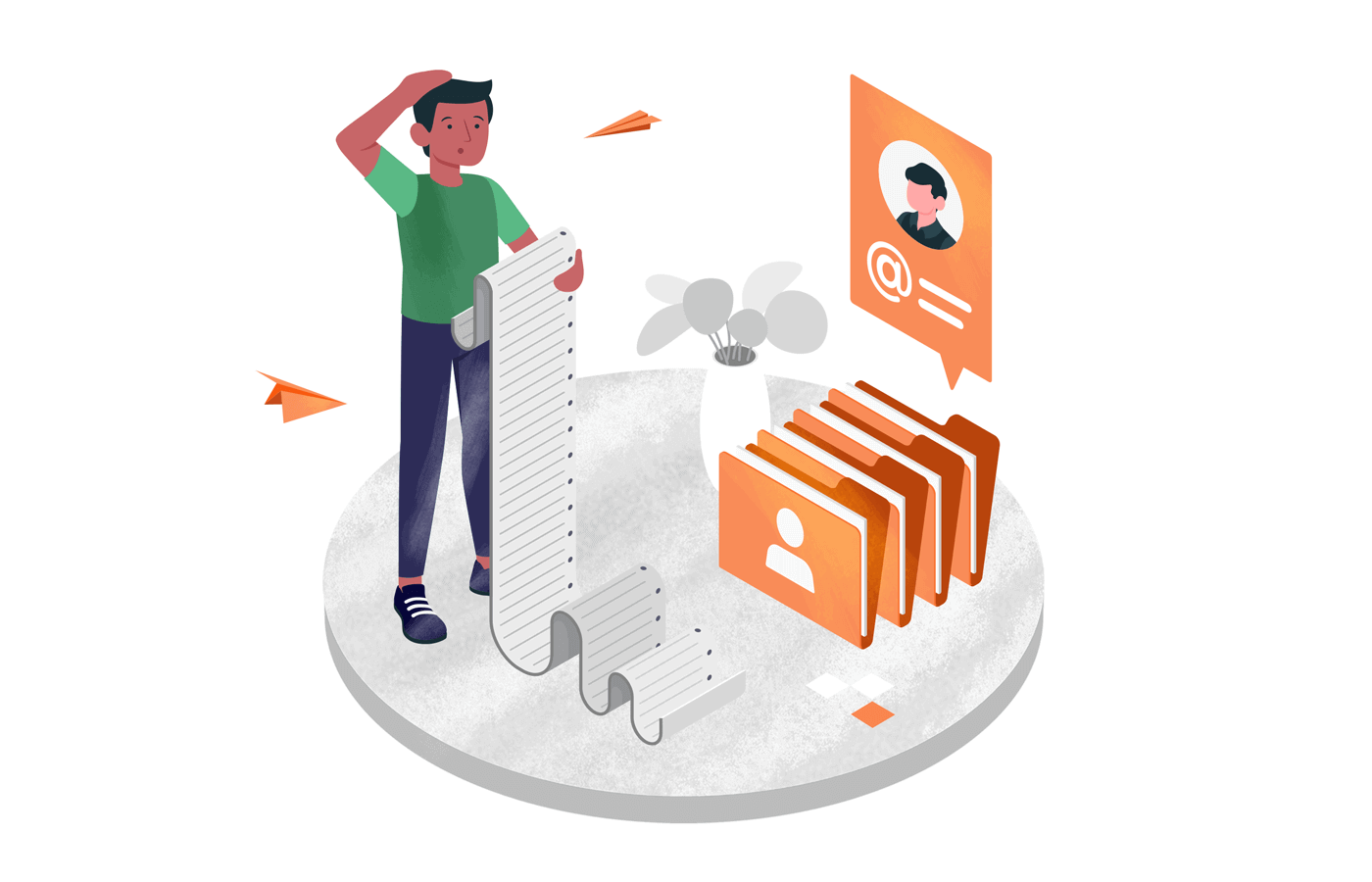
Email list management is a core part of successful email marketing. It means organizing and caring for the list of people who have given you their email addresses. A strong email list doesn’t just collect addresses — it keeps them healthy, active, and engaged so that your messages reach inboxes, not spam folders. Good list management helps your emails land in front of people who want to hear from you, improves your engagement rates, and boosts the overall return on your marketing efforts.
When you ignore your list, it can become cluttered with invalid, inactive, or uninterested contacts. This can harm your reputation with email providers, lower deliverability rates, and waste your time and resources. In today’s digital landscape, email list management is more important than ever. It protects your sender reputation, respects subscriber preferences, and helps you create more targeted, relevant campaigns that deliver real results. Regular updates, cleaning, and smart segmentation are key to keeping your list performing well.
What is email list management?
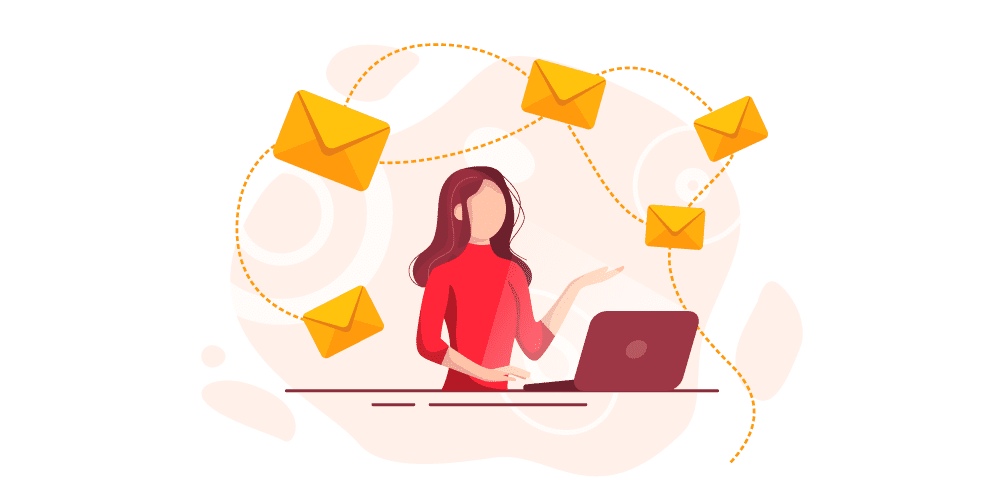
Email list management refers to the practices and processes used to keep an email subscriber list organized, accurate, and effective for marketing communication. Rather than just collecting addresses, it involves monitoring the quality and engagement of your contacts, removing invalid or inactive addresses, and organizing subscribers into meaningful groups.
It also includes tracking important metrics such as opens, unsubscribes, and bounce rates so you can adjust your strategy. By managing your list well, you ensure that your emails are delivered to real, interested subscribers — and not to dead inboxes or spam traps.
Why manage email lists?
There are several important reasons to actively manage email lists:
1. Improve Deliverability
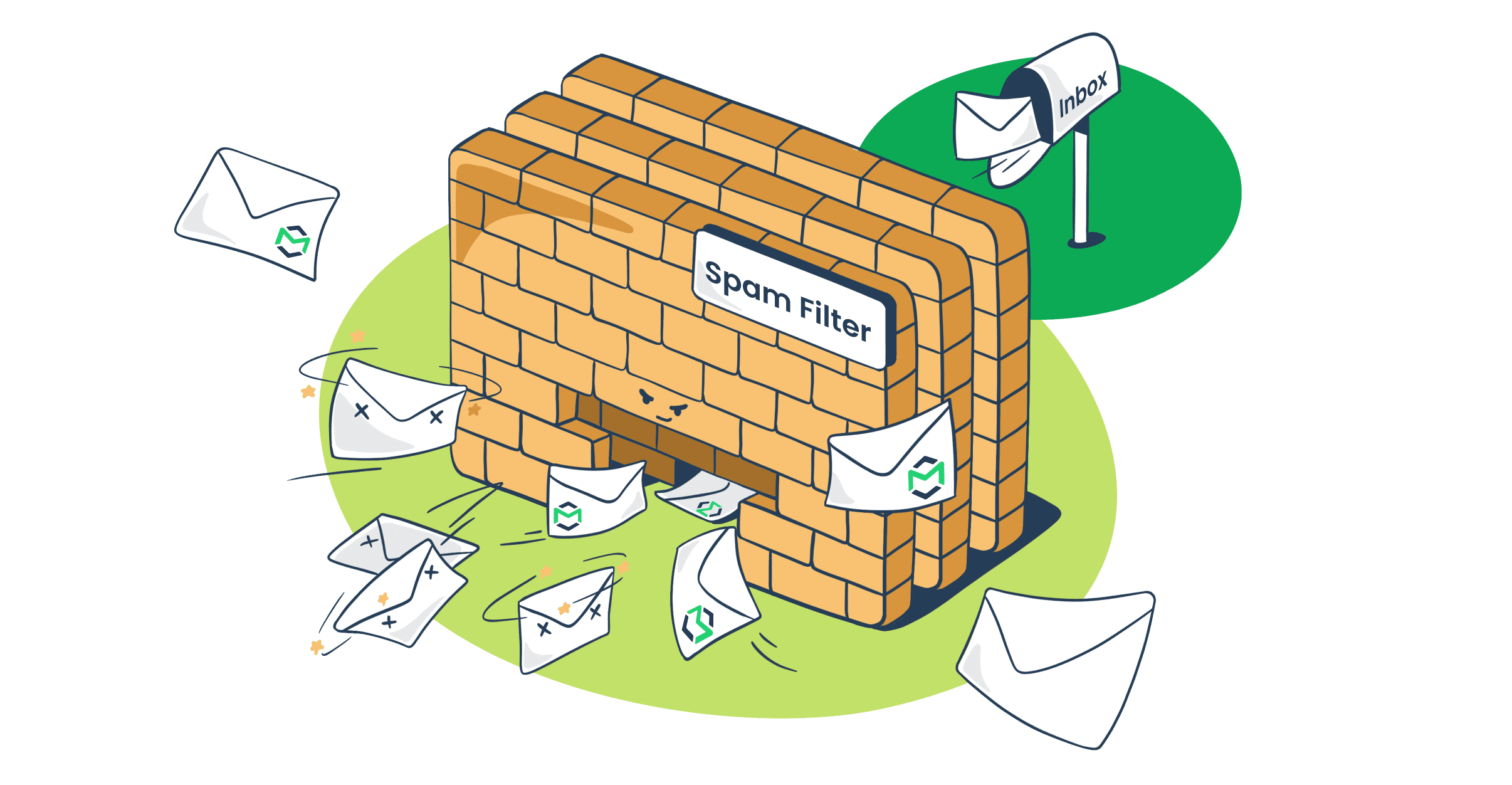
When your list contains many invalid or inactive addresses, email providers are more likely to flag your messages as spam. This hurts your sender reputation and reduces the number of emails that reach inboxes. Cleaning and updating your list helps your campaigns get delivered successfully.
2. Boost Engagement
Sending messages to people who actually want to hear from you leads to higher open rates, click-through rates, and conversions. Active and engaged subscribers are more responsive, which helps you build stronger relationships and get better results overall.
3. Protect Your Reputation
Email service providers monitor bounce rates, spam complaints, and unsubscribes to judge your sender reputation. Poor list hygiene can damage that reputation, which makes it harder to reach inboxes in future campaigns.
4. Respect Subscriber Preferences
Effective list management means giving subscribers control over what they receive and making it easy to unsubscribe if they no longer want emails. Respecting preferences builds trust, reduces spam complaints, and complies with data privacy laws.
5. Better Insights and Targeting
A well-managed list allows you to segment contacts based on interests, behaviors, or demographics. This makes your campaigns more relevant and increases the likelihood that subscribers will interact with your emails.
How to Manage an Email List

Managing an email list well requires ongoing care and attention. It’s not just about collecting addresses — it’s about keeping your audience engaged, protecting their data, and making sure your emails land in their inbox. Below are the key steps and best practices that make email list management effective and reliable.
Ethical Email Collection
Ethical collection means you only add people to your list who actually want to receive your messages. This helps protect your reputation and increases engagement.
-
Ask for permission: Use sign-up forms that require users to opt in willingly. Avoid buying email lists — these often contain uninterested or fake addresses, which can harm your deliverability.
-
Use double opt-in: With double opt-in, subscribers confirm their address after signing up. This ensures the email is real and that the person truly wants to receive your emails.
-
Be transparent: Let subscribers know what type of emails they’ll receive and how often. Clear expectations build trust.
Ethical collection leads to better engagement, fewer complaints, and a healthier email list overall.
Make it Easy to Unsubscribe
Providing a simple way for subscribers to leave your list is not just polite — it’s required by laws like CAN-SPAM and GDPR.
-
Place an unsubscribe link in every email. Your email marketing platform should automate this.
-
Use clear wording. “Unsubscribe” should be easy to find and understand.
-
Respect requests immediately. When someone opts out, remove them from the list quickly to avoid further contact.
Making unsubscribing easy improves user trust and reduces spam complaints.
Validate Email Addresses to Ensure They Are Active and Legitimate
Email validation helps confirm that addresses on your list are real and deliverable.
-
Use email validation tools: These services check whether an email exists and can receive mail before you send campaigns.
-
Validate at sign-up: Adding validation to your form reduces the number of invalid addresses entering your list in the first place.
-
Clean regularly: Validation should be an ongoing task, not a one-time event.
This step reduces bounce rates and protects your sender reputation with internet service providers.
Store Emails Securely and in Compliance With Data Privacy Regulations
Keeping your subscribers’ information safe is essential for trust and compliance.
-
Follow data privacy laws: Regulations like GDPR (EU) and CAN-SPAM (US) require transparent data handling and user consent.
-
Use secure systems: Store email lists in platforms with strong encryption and access controls.
-
Document consent: Keep records of when and how people subscribed to help you prove compliance if needed.
Good security practices protect both your audience and your business from legal issues.
Monitor and Analyze Engagement Metrics
Tracking how subscribers interact with your emails helps you understand what works and what doesn’t.
Key metrics to monitor include:
-
Open rate: The percentage of people who opened your email.
-
Click-through rate (CTR): The percentage who clicked links inside your email.
-
Bounce rate: The percentage of emails that couldn’t be delivered.
-
Unsubscribe rate: How many people left after receiving an email.
Use these insights to improve your content, frequency, and targeting. For example, a low open rate might mean your subject lines need improvement.
Remove Inactive, Unsubscribed, or Invalid Contacts
Keeping your list clean ensures better performance over time.
-
Remove unsubscribed users immediately. This is required and prevents complaints.
-
Clean out invalid emails. Hard bounces (emails that can’t be delivered) should be deleted to protect deliverability.
-
Re-engage or remove inactive contacts: If someone hasn’t opened or clicked in a long time, consider sending a re-engagement campaign. If they still don’t respond, remove them from the list.
Regular removal of poor-quality contacts improves deliverability and ensures you’re only reaching people who want your content.
Conduct Periodic Email List Audits
Regularly auditing your email list is one of the most important steps in keeping it healthy and effective. An email list audit means checking your list to see which contacts are engaged, which are inactive, and whether there are any errors that might harm your campaigns.
Why Audits Matter
Over time, email lists naturally accumulate problems like invalid addresses, people who no longer check a certain email, and contacts who never open your messages. Sending to these bad addresses can lower your deliverability, damage your sender reputation, and reduce engagement rates.
What to Include in an Email List Audit
Here are the key areas to review:
-
Deliverability metrics: Look at bounce rates, spam complaints, and inbox placement. Too many bounces or complaints may mean your list needs cleaning.
-
Engagement levels: Check open rates and click-through rates across different segments. Identify contacts who haven’t opened or clicked in a long time.
-
Duplicate or outdated entries: Remove any repeated or outdated emails to streamline the list.
-
Subscription source tracking: Ensure that all email addresses came from a clear and ethical source. If you can’t confirm how someone subscribed, consider removing them for safety.
How Often to Audit
It’s best to audit your list at least once every quarter. If you send email campaigns weekly or to a large list, consider checking monthly. Regular audits keep your list fresh and focused on engaged subscribers.
A disciplined audit schedule gives you cleaner data, better engagement, and stronger long-term performance.
Email List Management Common Pitfalls
Even experienced marketers can damage their results by making avoidable mistakes in list management. These errors often reduce engagement, harm deliverability, and weaken sender reputation. Below are the most common pitfalls and why they matter.
Purchasing an Email List
Buying or renting an email list may seem like a quick way to grow your audience. In reality, it is one of the most harmful practices in email marketing. The people on purchased lists did not give you permission to contact them. That means they are more likely to ignore your emails, mark them as spam, or unsubscribe immediately.
Purchased lists also contain outdated or fake addresses. These can trigger high bounce rates and spam traps. Internet service providers monitor these signals closely. If they detect suspicious behavior, your domain or IP address can be flagged. Once your sender reputation is damaged, it becomes difficult to reach inboxes — even for legitimate subscribers.
Organic growth through ethical opt-in methods is slower, but it builds a responsive and trustworthy audience.
Not Removing Inactive Subscribers
Every email list naturally collects inactive subscribers over time. Some people change email addresses. Others lose interest. If you continue sending emails to people who never open or click, your engagement rate drops.
Low engagement is a warning signal for inbox providers. When many subscribers ignore your emails, providers may assume your content is unwanted. This can push your messages into spam or promotions folders.
Regularly identify subscribers who have not engaged in several months. Run a re-engagement campaign to confirm their interest. If they remain inactive, remove them from your main list. A smaller but active list performs better than a large inactive one.
Sending Generic Emails to Everyone
Treating your entire list the same reduces relevance. Subscribers have different interests, behaviors, and buying stages. Sending the same message to everyone often leads to lower open rates and fewer clicks.
Generic emails feel impersonal. They do not reflect subscriber needs. As a result, engagement declines, and unsubscribe rates may increase.
Segmentation solves this problem. Divide your list based on behavior, location, purchase history, or interests. Targeted emails perform better because they match what the subscriber expects and values.
Failing to Update Outdated Subscriber Information
Subscriber data changes over time. People switch jobs, move cities, or update preferences. If you rely on outdated information, your campaigns become less accurate.
For example, sending location-based promotions to someone who moved to another country reduces relevance. Using incorrect names or outdated preferences weakens personalization.
Encourage subscribers to update their information through preference centers. Periodically review and refresh stored data to keep your records accurate.
Ignoring Email Deliverability Issues
Deliverability determines whether your emails reach the inbox, spam folder, or bounce back entirely. Many marketers focus only on open rates and clicks, ignoring the technical side of email performance.
High bounce rates, spam complaints, and low engagement can damage your sender reputation. Authentication protocols such as SPF, DKIM, and DMARC should be properly configured. Monitoring deliverability metrics helps detect problems early.
If your emails consistently land in spam, even great content will not perform well. Deliverability must be a priority in list management.
Neglecting Data Privacy Regulations
Data protection laws require clear consent and transparent handling of subscriber information. Regulations such as GDPR and CAN-SPAM mandate that businesses provide opt-out options and manage data responsibly.
Ignoring compliance can result in legal penalties and reputational damage. Subscribers expect transparency about how their data is collected and used.
Always document consent, include an unsubscribe link in every email, and store data securely. Respecting privacy builds trust and protects your business.
Ignoring Soft and Hard Bounces
Bounces occur when emails cannot be delivered. There are two types:
-
Hard bounces happen when an address is invalid or does not exist. These should be removed immediately.
-
Soft bounces occur due to temporary issues, such as a full inbox or server problem.
Repeatedly sending emails to hard bounce addresses harms your sender reputation. Monitor bounce reports carefully and act quickly. Clean bounce data regularly to maintain list health.
Letting Duplicate Entries Remain in the List
Duplicate contacts cause multiple problems. Subscribers may receive the same email twice, which looks unprofessional and increases frustration. Duplicates also inflate your list size and distort analytics.
Use list management tools to detect and merge duplicate entries. A clean, accurate list improves campaign reporting and prevents unnecessary annoyance.
Avoiding these common pitfalls strengthens your email marketing foundation. Good list management protects deliverability, improves engagement, and supports long-term growth.
Email List Management Best Practices
Strong email list management is built on proven practices that protect deliverability, increase engagement, and maintain subscriber trust. The following best practices help ensure your list remains active, accurate, and valuable.
Use a Double Opt-In Method
Double opt-in requires subscribers to confirm their email address after signing up. This extra step ensures the email is valid and that the person truly wants to receive messages.
Double opt-in reduces fake sign-ups, protects against spam traps, and improves engagement rates. Since confirmed subscribers are more interested, they are more likely to open and click your emails.
Although single opt-in grows lists faster, double opt-in builds higher-quality audiences.
Ask Subscribers About Their Preferences
Giving subscribers control over what they receive improves satisfaction and reduces unsubscribes. A preference center allows users to select:
-
Email frequency
-
Content topics
-
Product categories
-
Communication format
When subscribers choose what they want, emails feel more relevant. This increases engagement and builds loyalty over time.
Invest in Your Welcome Email
The welcome email sets the tone for your relationship. It often has the highest open rate of any campaign.
A strong welcome email should:
-
Thank the subscriber for joining
-
Confirm what they can expect
-
Deliver promised incentives
-
Encourage engagement
This is the perfect moment to build trust and explain your value clearly. A good first impression improves long-term engagement.
Segment Your Audience
Segmentation divides your list into meaningful groups. Common segmentation methods include:
-
Demographics
-
Purchase history
-
Website behavior
-
Engagement level
-
Geographic location
Segmented campaigns generate higher open and click rates because they deliver targeted content. Instead of sending one generic message, you send relevant emails to specific groups.
Re-Engage Inactive Subscribers
Before removing inactive contacts, attempt to win them back. Send a re-engagement campaign asking if they still want to hear from you. Offer incentives or remind them of the value you provide.
If subscribers do not respond after multiple attempts, remove them from active campaigns. This protects your engagement rate and sender reputation.
Re-engagement campaigns also help identify subscribers who remain interested but may have missed previous emails.
Score Your Leads (For Certain Businesses)
Lead scoring assigns value to subscriber behavior. For example, opening an email may earn one point, while clicking a product link may earn five points.
Businesses that rely on sales pipelines benefit from lead scoring. It helps identify high-interest subscribers who are ready for direct outreach.
Lead scoring also supports smarter segmentation. Subscribers with high scores can receive more advanced offers, while low-score contacts may receive nurturing content.
Conduct Surveys and Feedback Requests
Subscriber feedback improves list quality and content relevance. Periodic surveys help you understand:
-
Why people subscribed
-
What content they value most
-
How often they prefer to receive emails
Feedback prevents guesswork. It allows you to refine messaging and improve engagement.
Simple one-question polls inside emails can provide valuable insight without overwhelming subscribers.
Keep on Experimenting
Testing is essential for improvement. A/B testing allows you to compare:
-
Subject lines
-
Send times
-
Call-to-action buttons
-
Layout formats
Small adjustments can produce significant performance gains. Experimenting helps identify what resonates best with your audience.
Data-driven decisions strengthen long-term email success.
Automate Contact Management
Automation reduces manual work and ensures consistency. Automated workflows can:
-
Add new subscribers to welcome sequences
-
Remove hard bounces automatically
-
Move inactive users into re-engagement campaigns
-
Tag contacts based on behavior
Automation keeps your list organized and responsive in real time. It also reduces human error and saves time.
When automation is combined with regular monitoring, your list remains healthy and efficient.
Email list management software
When it comes to managing your email list efficiently and effectively, using dedicated email list management software can make a huge difference. These tools help you organize contacts, automate campaigns, monitor engagement, segment audiences, and maintain list health — all from one place. One good example of this kind of solution is Teno Mail — All‑in‑One Email Marketing & Automation Platform, which combines list management features with email campaign tools, automation, and analytics.
Teno Mail
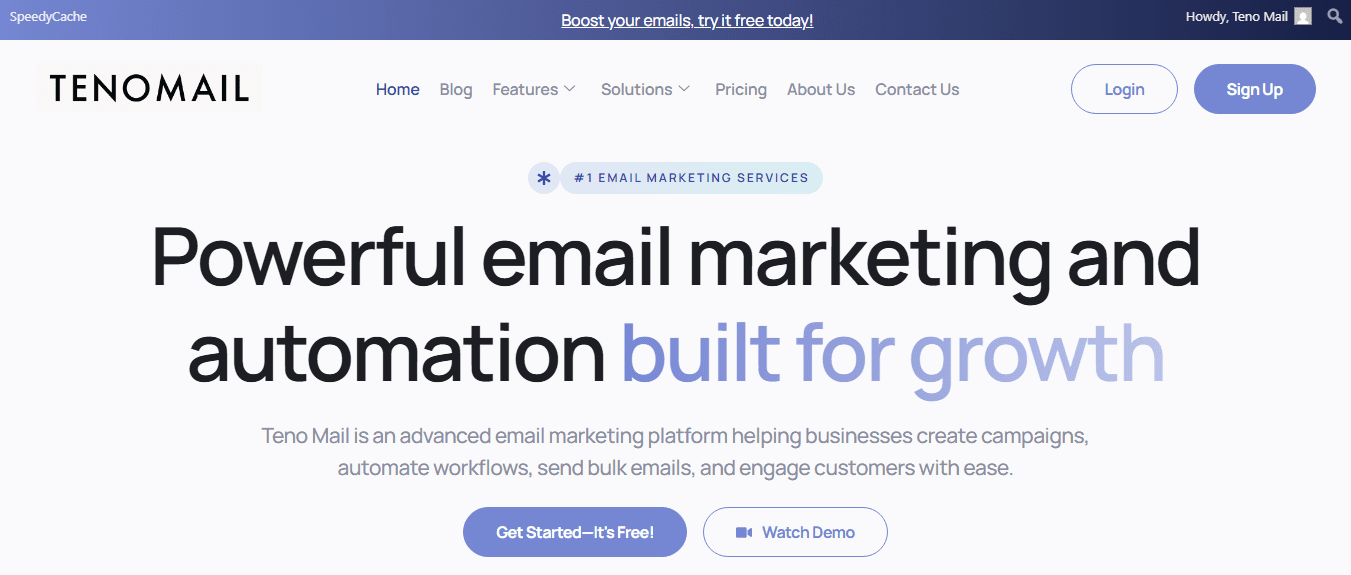
Teno Mail is a comprehensive email marketing and automation platform designed to help businesses of all sizes manage their email lists and run successful campaigns. It offers features that support contact organization, automation, delivery reliability, and performance tracking — all of which are key parts of effective email list management.
Key capabilities of Teno Mail include:
-
Email campaign management: Create targeted email campaigns using intuitive tools and reusable templates. Manage multiple campaigns from one dashboard.
-
Automation workflows: Set up automated sequences like welcome emails, follow-ups, and lifecycle campaigns that send at the right moment with minimal manual effort.
-
Newsletter builder: Design and send visually appealing newsletters with mobile-friendly layouts.
-
Bulk email sending: Support for high-volume message delivery with reliable performance and monitoring.
-
Audience segmentation: Divide your list into segments based on characteristics or behavior to send more relevant emails.
-
Analytics & reporting: Track key metrics such as opens, clicks, and overall engagement to refine your strategy over time.
-
Integrations & SMTP: Connect with SMTP services and other business tools to sync contacts, improve delivery, and streamline workflows.
Teno Mail makes list management easier by giving you the tools to import and organize contacts, automate repetitive tasks, and make data-driven decisions to boost engagement and deliverability. Create a free account today!
Wrapping up
Email list management is essential for successful email marketing. It ensures your subscriber list is clean, permission-based, and engaged — so your messages reach the right people and get better results. By collecting emails ethically, setting clear expectations, and using the right tools, you can increase opens, clicks, and conversions while respecting subscriber preferences and legal requirements.
Using software like Teno Mail can help you take your list management to the next level. These platforms offer automation, segmentation, analytics, and campaign-building capabilities all in one place, making it easier to maintain a healthy, responsive email list.
At its core, good email list management is about nurturing your subscribers. Keep your list updated, focus on relevance, track performance, and clean out unengaged or invalid contacts. Doing so will improve your reputation with email providers, increase engagement rates, and make your email marketing efforts more effective over time.
Read More: 10 Email Automation Examples To Increase Sales In 2026