Email marketing has become one of the most reliable and cost-effective ways for automotive businesses to generate leads, nurture prospects, and drive consistent sales. Whether you run a dealership, repair shop, or parts business, email gives you a direct line to customers throughout their entire lifecycle—from initial interest to repeat purchases.
Unlike social media or paid ads, email marketing allows you to own your audience relationship. You’re not dependent on changing algorithms or rising ad costs. Instead, you can communicate directly with people who have already shown interest in your business—making them far more likely to convert.
In the automotive industry, where purchasing decisions often take weeks or even months, staying top-of-mind is critical. Email helps bridge that gap by delivering timely, relevant messages such as service reminders, promotional offers, and vehicle updates. This continuous engagement builds trust and keeps your brand in consideration when customers are ready to act.
More importantly, email marketing supports both short-term revenue (offers, bookings) and long-term customer retention (service follow-ups, loyalty campaigns). When done right, it becomes a powerful engine that consistently turns interest into action.
Why email marketing works for automotive businesses today

Email marketing continues to outperform most digital channels—especially in the automotive sector—because it aligns perfectly with how customers research, evaluate, and purchase vehicles and services.
1. High ROI and measurable performance
Email marketing consistently delivers one of the highest returns in digital marketing, generating around $36–$42 for every $1 spent.
For automotive businesses, this is especially valuable because marketing budgets are often split across multiple channels. Email stands out by offering predictable, trackable results, including open rates, clicks, bookings, and revenue attribution.
2. Matches the long automotive buying cycle
Buying a car—or even deciding on service—rarely happens instantly. The average automotive sales cycle can last 90–120 days, requiring consistent follow-up and nurturing.
Email marketing fills this gap by:
- Educating prospects over time
- Sharing relevant inventory updates
- Delivering timely offers when interest is highest
This ongoing communication ensures you stay relevant throughout the decision-making process.
3. Strong engagement with service-based emails
Automotive email campaigns often achieve exceptionally high engagement rates, especially for service-related messages:
- Service reminders: 53–65% open rates
- Post-purchase emails: up to 77% open rates
These numbers show that customers actively expect and respond to emails that are timely and useful—making email a powerful channel for driving repeat service revenue.
4. Personalization drives better conversions
Modern email marketing allows businesses to segment audiences based on:
- Vehicle type
- Purchase history
- Service intervals
- Customer behavior
This level of personalization ensures each message feels relevant, which significantly improves engagement and conversions. In fact, 74% of car buyers prefer personalized communication from dealerships.
5. Automation increases efficiency and results
Automation is one of the biggest reasons email marketing works so well today. Automated campaigns:
- Reduce manual workload
- Improve response timing
- Increase conversion rates by up to 30%
For example, automated service reminders can reduce no-shows and save hours of staff time each week while generating consistent bookings.
6. Direct and owned communication channel
Unlike social platforms, email gives you direct access to your audience’s inbox. There’s no algorithm limiting your reach. This makes it one of the most reliable ways to:
- Promote inventory
- Announce offers
- Re-engage past customers
In an industry where trust and timing are everything, having this direct communication channel is a major advantage.
Turning website visitors into qualified leads
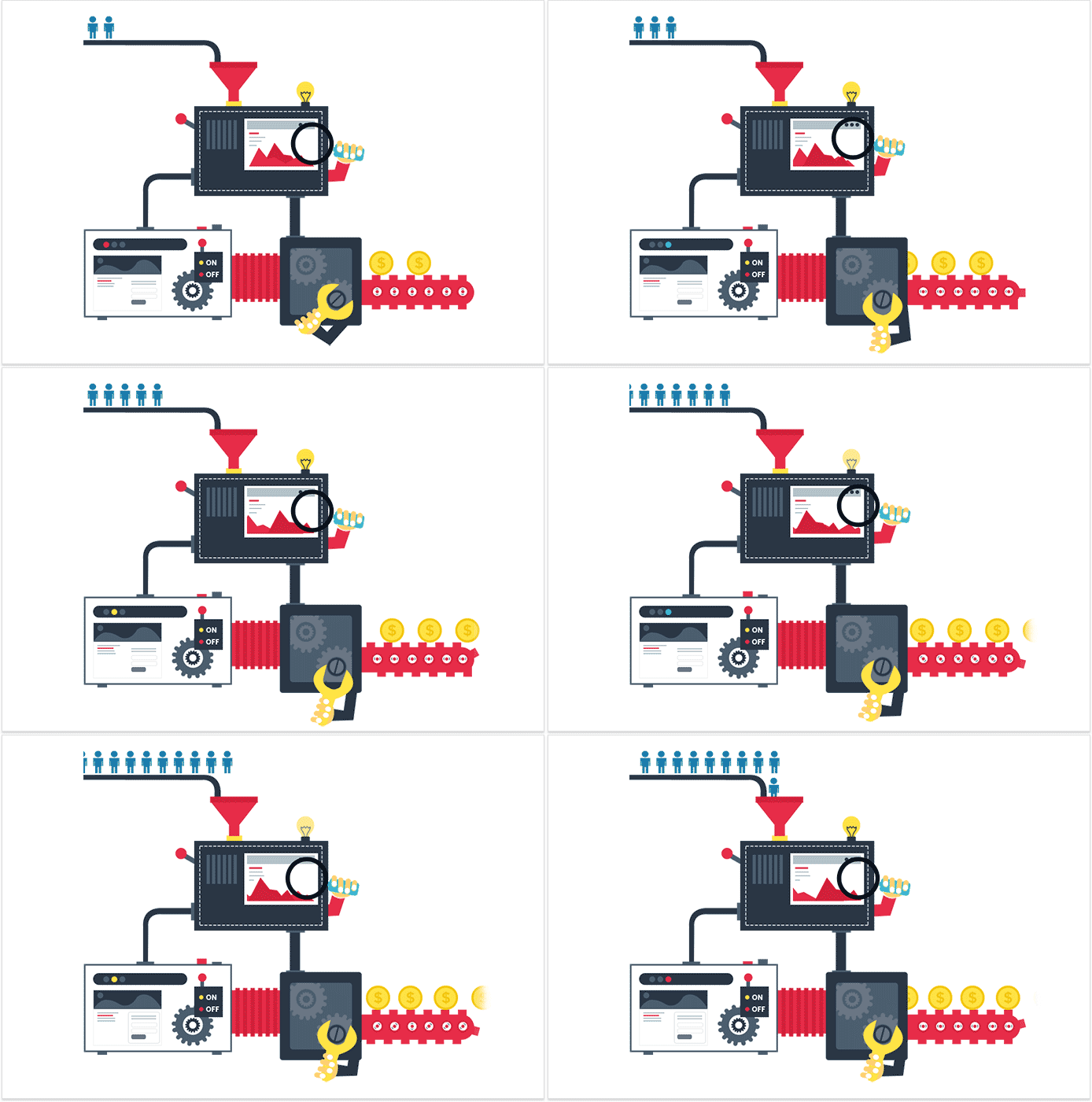
For automotive businesses, your website is one of your most valuable lead-generation assets—but only if you actively capture visitor interest. Most users browse inventory, compare models, or check service pricing and leave without taking action. Email marketing changes that by converting anonymous traffic into identifiable, high-intent leads.
Capture intent at the right moment
Strategically placed signup opportunities are key. These include:
- Financing pre-qualification forms
- Test drive booking forms
- Inventory alerts (e.g., “Notify me when this model is available”)
- Service discount pop-ups or exit-intent offers
When visitors submit their details through these forms, they’re not just casual browsers—they’re signaling real interest. This transforms them into qualified leads that your business can nurture over time.
Use lead magnets to increase conversions
Offering value in exchange for contact details significantly improves sign-ups. Examples include:
- Exclusive service discounts
- Trade-in valuation tools
- Maintenance guides
- Early access to new inventory
These incentives reduce friction and encourage visitors to share their email, especially when they are still in the research phase.
Nurture leads through the buying journey
Once captured, email becomes the bridge between interest and action. Instead of relying on one-time interactions, you can guide prospects step-by-step:
- Send personalized vehicle recommendations
- Share financing options or educational content
- Highlight customer reviews or testimonials
- Encourage booking a test drive or visiting your showroom
Automotive sales cycles are often long, typically 90–120 days, making consistent follow-up essential.
Improve lead quality with segmentation
Not all leads are the same. By segmenting based on behavior—such as pages viewed, forms submitted, or previous interactions—you can tailor messaging to match intent. CRM systems play a critical role here by organizing customer data and enabling targeted communication that increases conversions.
Email marketing turns passive website traffic into active opportunities by capturing interest, qualifying intent, and guiding prospects toward a purchase decision.
Automation that frees your team to focus on selling
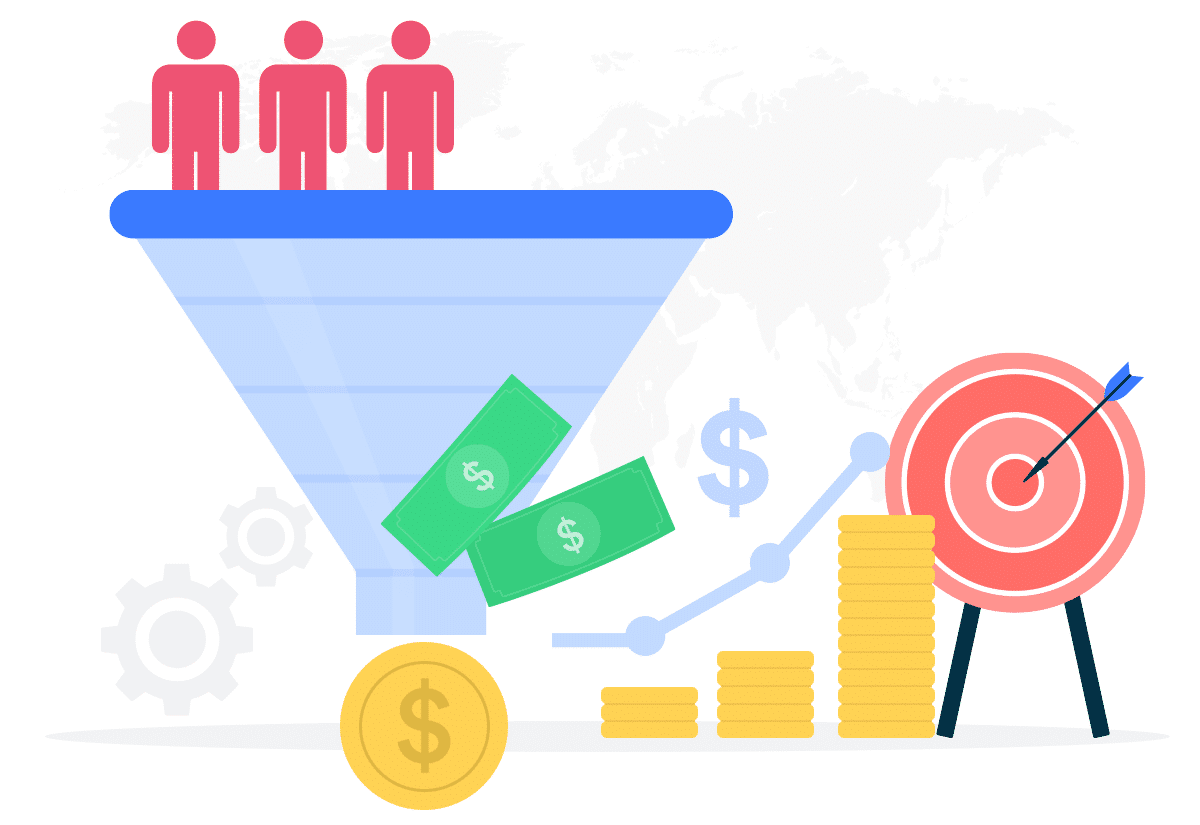
Automotive businesses often operate with lean teams, where sales staff juggle multiple responsibilities—from managing inventory to handling customer inquiries. Email automation removes much of the repetitive marketing workload, allowing your team to focus on what matters most: closing deals and serving customers.
Set up once, benefit continuously
Automation allows you to create workflows that run in the background. Instead of manually sending emails, you can trigger messages based on customer actions, such as:
- New lead submissions
- Incomplete finance applications
- Service due dates
- Inactivity over a certain period
Once these workflows are in place, they operate automatically—ensuring no opportunity is missed.
Respond instantly to customer behavior
Speed matters in automotive sales. Automated emails ensure immediate follow-up, which significantly improves engagement. For example:
- A customer submits a form → receives instant confirmation and next steps
- A prospect abandons a booking → gets a reminder email
- A past customer hasn’t returned → receives a re-engagement offer
These timely interactions keep your business top-of-mind and increase the likelihood of conversion.
Increase efficiency and reduce manual workload
Automation eliminates time-consuming tasks like sending reminders or follow-ups manually. In fact, automated service reminders can:
- Reduce no-shows by 25–35%
- Save 10–15 hours per week in staff time
This efficiency allows your team to focus more on customer interactions, test drives, and closing sales rather than administrative tasks.
Drive higher revenue with smarter campaigns
Automated campaigns don’t just save time—they perform better. Research shows that automated emails can generate significantly higher returns per recipient compared to standard campaigns.
Why? Because they are:
- Timely (triggered by real actions)
- Relevant (based on user behavior)
- Consistent (no missed follow-ups)
Build a seamless customer experience
Automation ensures that every customer receives the right message at the right time, without gaps in communication. From the first inquiry to post-purchase follow-ups, it creates a smooth and professional experience that builds trust and encourages repeat business.
Email types that work for the auto industry
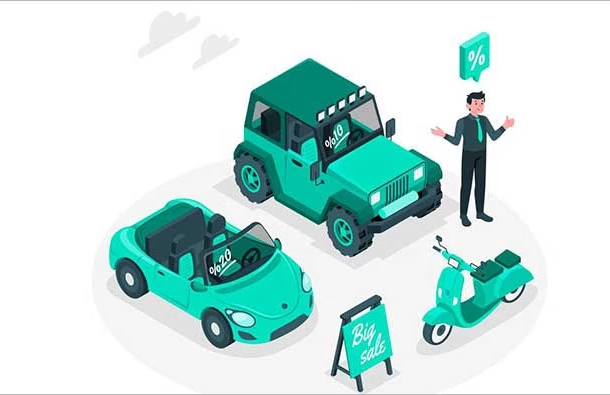
To succeed with email marketing in the automotive industry, it’s not enough to send generic newsletters. The real results come from using specific, purpose-driven email types that align with where the customer is in their journey—whether they’re researching, ready to buy, or maintaining their vehicle.
Below are the most effective email types automotive businesses should prioritize, along with how each contributes to lead generation, conversions, and long-term customer value.
Promotional offers and seasonal campaigns
Promotional emails are one of the fastest ways to generate immediate leads and drive showroom visits or service bookings. These campaigns are typically tied to time-sensitive offers, such as:
- Holiday sales events (New Year, Eid, Black Friday, etc.)
- End-of-year clearance deals
- Seasonal service discounts (winter tire checks, summer AC servicing)
- Trade-in bonuses or financing offers
What makes these campaigns effective is urgency. When customers see a limited-time offer, they are more likely to take action quickly rather than delay their decision.
In the automotive sector, promotional campaigns can perform exceptionally well when they are relevant and targeted. For example, trade-in campaigns like “We Want Your Car” have achieved open rates as high as 83% and click-through rates around 24%, making them one of the highest-performing email types.
To maximize results:
- Use clear, compelling subject lines
- Highlight savings or financial benefits
- Include strong calls-to-action (e.g., “Book your test drive today”)
- Segment your audience based on interests (SUV buyers vs sedan buyers)
When done right, promotional emails create short-term revenue spikes while also feeding your pipeline with new leads.
Transactional reminders
Transactional emails are among the most powerful—and often underestimated—types of automotive email marketing. These include:
- Service reminders (oil change, maintenance, MOT)
- Appointment confirmations
- Repair updates
- Payment or invoice confirmations
Unlike promotional emails, transactional messages are expected and highly relevant. That’s why they consistently achieve very high engagement rates, with service reminders reaching 53–65% open rates and strong booking conversions.
These emails work because they:
- Solve a real problem (customers often forget service schedules)
- Arrive at the right time (based on mileage or time intervals)
- Provide clear next steps (book an appointment, confirm a visit)
In fact, many customers are ready to act immediately when they receive a reminder, especially if the email includes a simple booking option.
From a business perspective, transactional emails:
- Keep service bays full
- Reduce missed appointments
- Build trust through helpful communication
They are not just operational messages—they are consistent revenue drivers.
Inventory and product-specific emails
Automotive customers spend significant time researching vehicles before making a decision. Inventory-based emails help you stay relevant during this phase by delivering highly targeted, product-focused content.
These emails include:
- New inventory alerts
- Price drop notifications
- Vehicle recommendations based on browsing behavior
- Back-in-stock alerts for popular models
This type of email works best when it is personalized. For example:
- A customer who browsed SUVs receives updates on similar models
- A lead interested in electric vehicles gets EV-focused inventory emails
This level of relevance dramatically increases engagement. In fact, automotive email performance improves significantly when messages are aligned with customer intent and behavior.
Best practices for inventory emails:
- Include high-quality images and key specs
- Highlight unique selling points (fuel efficiency, safety features, price)
- Add direct links to vehicle pages or booking forms
- Use dynamic content to show relevant inventory
These emails are critical for moving prospects from consideration to decision, especially during long buying cycles.
Re-engagement campaigns
Not every lead converts immediately—and that’s normal in the automotive industry. Re-engagement campaigns are designed to bring inactive leads or past customers back into your sales funnel.
These campaigns typically target:
- Leads who stopped responding
- Customers who haven’t visited in months
- Past buyers who may be ready for an upgrade
Common re-engagement strategies include:
- “We miss you” emails with special offers
- Trade-in or upgrade opportunities
- Service discounts for inactive customers
- Personalized recommendations based on past behavior
These emails are highly valuable because they target an audience that already knows your brand. Instead of acquiring new leads (which is expensive), you’re reactivating existing ones.
Data shows that highly targeted campaigns can significantly outperform generic emails, especially when they address specific customer needs or timing.
A well-executed re-engagement campaign can:
- Recover lost leads
- Increase customer lifetime value
- Boost repeat business
Brand campaigns
Brand emails focus less on immediate sales and more on building long-term trust and relationships. These include:
- Customer success stories and testimonials
- Behind-the-scenes content
- Educational content (maintenance tips, buying guides)
- Community involvement or dealership updates
While these emails may not drive instant conversions, they play a critical role in influencing purchasing decisions over time. Automotive buyers often evaluate multiple options, and trust becomes a key differentiator.
Brand campaigns help you:
- Stay top-of-mind during long decision cycles
- Position your business as an expert
- Build emotional connection with customers
They are especially important in a competitive market where customers have many choices. When combined with other email types, brand campaigns create a balanced strategy that supports both short-term and long-term growth.
How automotive businesses can track email performance
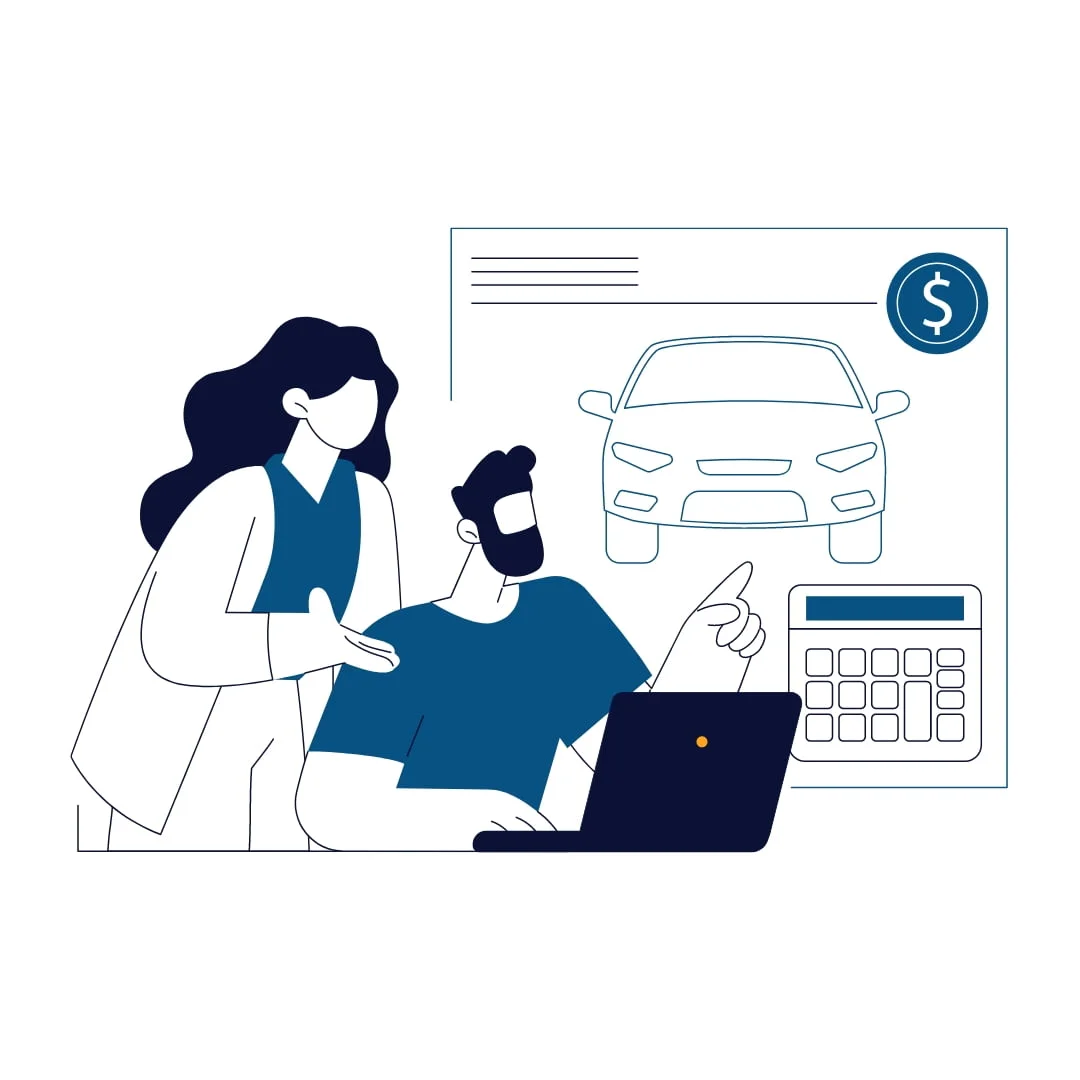
Tracking email performance is what turns email marketing from a guessing game into a data-driven growth engine. Without proper measurement, it’s impossible to know what’s working, what needs improvement, and how your campaigns contribute to revenue.
Automotive businesses must go beyond basic metrics and focus on performance indicators that directly impact leads, bookings, and sales.
1. Open rate: measuring first impressions
Open rate is one of the most fundamental email metrics. It shows the percentage of recipients who opened your email, indicating how effective your subject line and sender reputation are.
In the automotive industry:
- Average open rates range around 20–25%
- High-performing campaigns can exceed 60%+, especially for service-related emails
A strong open rate means your email successfully captured attention. However, it should not be viewed in isolation—it’s only the first step in the conversion process.
To improve open rates:
- Personalize subject lines
- Use urgency or curiosity
- Segment your audience for relevance
2. Click-through rate (CTR): measuring engagement
Click-through rate measures how many recipients clicked on a link within your email. This reflects how compelling your content and call-to-action are.
Typical benchmarks:
- Industry average: around 2.5–5%
- Higher rates for targeted, vehicle-specific emails
CTR is crucial because it shows whether your email content is driving users toward action—such as viewing inventory or booking a service.
S3. Conversion rate: measuring real outcomes
Conversion rate is where email marketing proves its true value. It tracks how many recipients completed a desired action, such as:
- Booking a test drive
- Scheduling a service
- Submitting a finance application
In automotive email marketing:
- Conversion rates typically start around 2%
- Top-performing campaigns can reach double-digit conversions
For example, service reminder emails can achieve over 30% booking rates, demonstrating how powerful targeted emails can be.
4. Revenue attribution: connecting emails to sales
One of the most important—but often overlooked—metrics is revenue attribution. This measures how much revenue your email campaigns generate.
Instead of focusing only on opens and clicks, automotive businesses should track:
- Revenue per email sent
- Revenue per campaign
- Sales influenced by email interactions
Experts emphasize that revenue per email is the most meaningful metric, as it directly reflects business impact.
This helps you:
- Identify your most profitable campaigns
- Allocate budget more effectively
- Prove ROI to stakeholders
5. Engagement and list health metrics
Maintaining a healthy email list is essential for long-term success. Key metrics include:
- Bounce rate (ideally below 2%)
- Unsubscribe rate
- Spam complaints
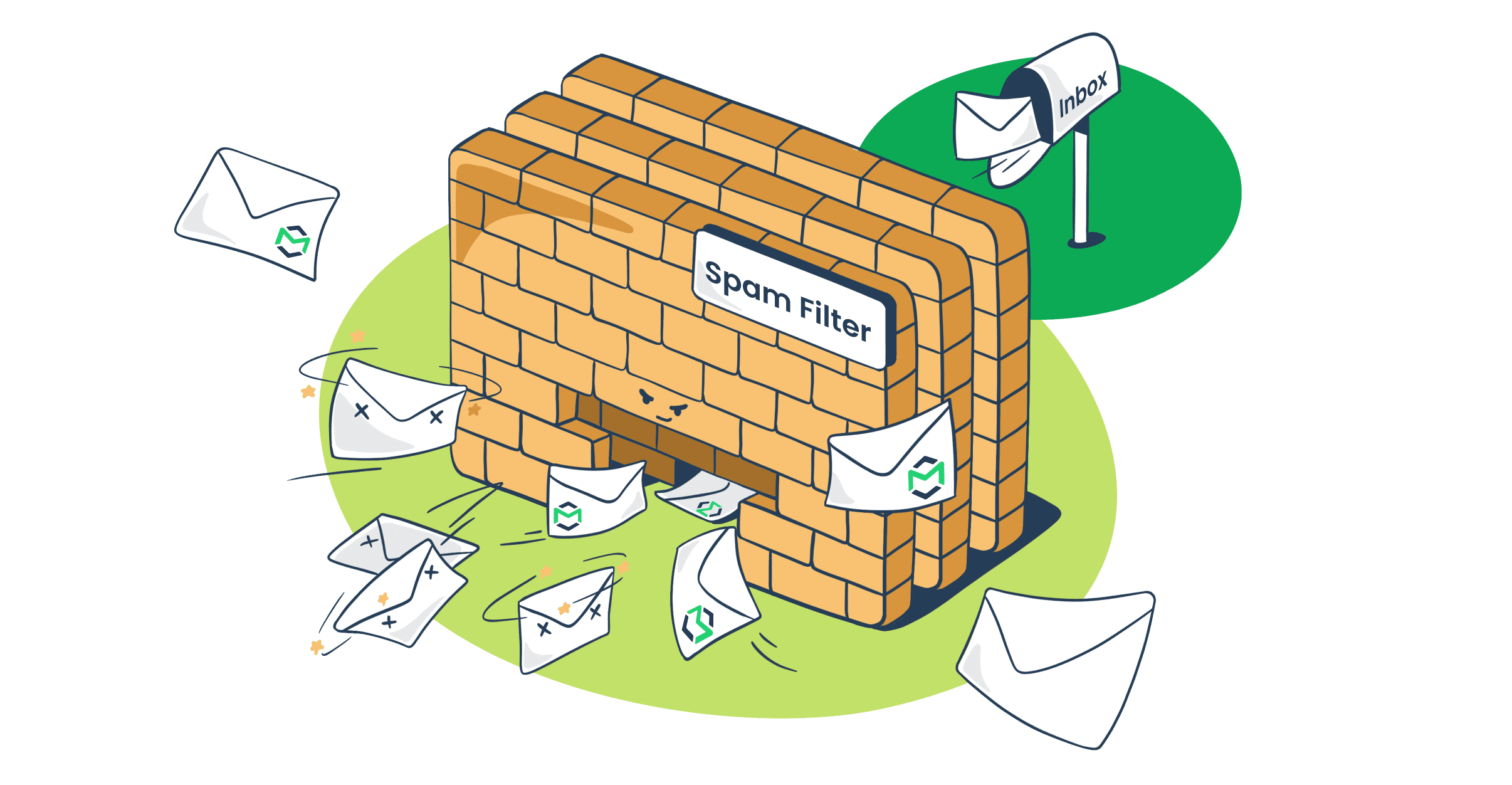
A clean and engaged list improves deliverability and ensures your emails reach the inbox instead of spam folders.
Regular list maintenance—such as removing inactive subscribers—can significantly improve overall performance.
6. A/B testing and continuous optimization
Tracking performance is not just about reporting—it’s about improving. A/B testing allows you to experiment with different elements, such as:
- Subject lines
- Email design
- Call-to-action buttons
- Send times
By testing and analyzing results, you can continuously refine your strategy and improve outcomes over time.
7. Benchmarking against industry standards
To understand whether your campaigns are successful, you need to compare your performance against industry benchmarks.
For example:
- Service reminder emails: 65% open rates
- Aftersales campaigns: 69% open rates
- Trade-in campaigns: 80%+ open rates
Benchmarking helps you identify gaps and opportunities for improvement, ensuring your strategy stays competitive.
Getting started with email marketing doesn’t demand a large team or a heavy budget
A common myth is that success in this channel requires extensive resources, but today’s tools are built for speed, simplicity, and efficiency—even for small teams without dedicated marketing support.
With platforms like Teno Mail, creating effective campaigns is more accessible than ever. Its visual journey builder allows you to design automated email sequences with ease, while the drag-and-drop editor helps anyone produce professional, on-brand emails—no coding or design experience needed. Seamless integrations with your existing systems, such as your CRM, website, or inventory tools, also ensure your campaigns are powered by real customer data without complex setup.
Ultimately, a high-performing email marketing strategy isn’t about scale—it’s about smart execution. With the right tools, clear planning, and a focus on reaching customers where they already are, you can build an email program that consistently converts interest into meaningful action. See how Teno Mail makes email automation easy →
Read More: 13 Reasons & Solutions for Why Your Emails Are Going to Spam