In today’s competitive landscape, a dental practice is much more than clinical expertise and state-of-the-art equipment. It’s a business built on relationships and trust. While social media comes and goes, one marketing channel remains a constant, direct, and highly effective line to your patients’ inboxes and, more importantly, their lives: email.
For dentists, email marketing isn’t about blasting promotions. It’s a powerful practice management tool that nurtures patient relationships, fills your appointment book, and ensures the long-term health of both your patients and your practice. This guide will walk you through the why and the how, transforming email from an afterthought into a core pillar of your patient communication and practice growth strategy for 2026 and beyond.
Why is Email Marketing Important for Dental Practices?
Unlike generic advertising, email marketing allows you to speak directly to individuals who have already chosen your practice. Its importance transcends simple promotion; it’s essential for operational efficiency, patient loyalty, and sustainable growth. Here’s why it should be a priority for every modern dental office:
-
Direct Access to Your Patient Community: An email list is a practice-owned asset. You’re not relying on a social media algorithm to show your posts. You have permission to deliver important information straight to your patients, ensuring your messages are seen.
-
Drives Appointment Adherence & Reduces No-Shows: Automated appointment reminders and confirmations are arguably the highest-ROI emails you will send. They directly protect your most valuable resource—chair time—by significantly reducing last-minute cancellations and failed appointments, directly boosting practice revenue.
-
Builds Trust and Positions You as an Authority: Regular, helpful communication through educational content (like oral hygiene tips or explanations of procedures) establishes your expertise. This constant, value-first contact builds deep trust, making patients more likely to accept treatment plans and refer others.
-
Maximizes Patient Lifetime Value (LTV): It’s far more costly to acquire a new patient than to retain an existing one. Email is the perfect tool for patient retention. Automated recall emails for regular cleanings, check-up reminders, and thoughtful follow-ups after procedures keep your practice top-of-mind, ensuring patients return for a lifetime of care.
-
Cost-Effective with Measurable ROI: Compared to traditional advertising like print or direct mail, email marketing is extremely low-cost. More importantly, every aspect is measurable. You can track opens, clicks, and appointments booked from a specific campaign, allowing you to clearly see what’s working and refine your strategy for maximum return.
Email Marketing Benefits for Dentists

While the importance of email marketing is clear, its true value lies in the tangible, positive impact it has on your practice’s daily operations and bottom line. Implementing a strategic email program delivers a suite of interconnected benefits that streamline your workflow and fuel growth.
Improves Patient Retention
Patient retention is the lifeblood of a sustainable practice. Email marketing is your most effective tool for keeping patients engaged between visits. Through automated recall and check-up reminders, you ensure patients don’t fall through the cracks. Furthermore, sending educational content, practice updates, and seasonal oral health tips fosters an ongoing relationship. This consistent, valuable communication makes patients feel cared for beyond the chair, dramatically increasing the likelihood they will remain loyal to your practice for years, maximizing their lifetime value.
Refines Booking Management
Email directly optimizes your appointment book—your practice’s primary revenue engine. Automated email (and SMS) reminders for upcoming appointments significantly reduce last-minute cancellations and no-shows, protecting your valuable chair time. You can also use automated emails to confirm appointments, send pre-visit forms, and provide preparation instructions. This not only improves administrative efficiency but also enhances the patient experience by creating a seamless, professional booking journey that reduces friction and confusion.
Lowers Marketing Expenses
Compared to traditional advertising methods like direct mail, print ads, or radio, email marketing offers an exceptionally high return on investment (ROI). The costs associated with a professional email platform are minimal, especially when measured against the revenue generated from reactivated patients, filled appointment slots from reminders, and new business from referral campaigns. It allows you to re-allocate marketing budget from broad, untargeted outreach to focused, effective communication with your existing patient community.
Increases Brand Awareness
Every email that lands in a patient’s inbox is a touchpoint that reinforces your practice’s brand identity and values. By regularly sharing your expertise through newsletters and tips, you position your practice as the local, trusted authority on dental health. This top-of-mind awareness is crucial. When a patient needs a procedure, or when a friend or family member asks for a recommendation, your practice name will be the first that comes to mind. Consistent email communication turns satisfied patients into vocal brand advocates.
Popular Email Types for Dentists
A successful dental email marketing strategy is not monolithic; it is a diverse ecosystem of targeted communications, each serving a specific purpose in the patient journey. From the first point of contact to years into the relationship, different email types work in concert to nurture, inform, and retain patients. Understanding and deploying these distinct categories is key to building a comprehensive and effective system.
Welcome Emails
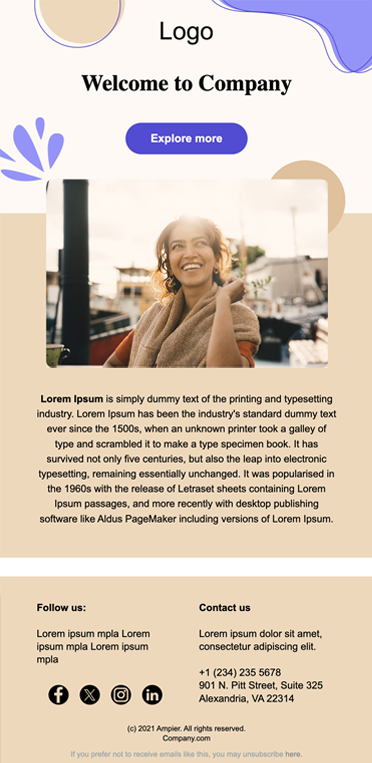
The welcome email is your critical first digital impression, setting the tone for the entire patient-provider relationship. Triggered automatically when someone subscribes to your list or books their first appointment, this email has one primary goal: to build immediate trust and reduce pre-visit anxiety.
A compelling welcome email goes beyond a simple “Thank you for signing up.” It should include:
-
A warm, professional greeting from the dentist or practice manager.
-
Reassurance about their choice, highlighting your practice’s core values (e.g., comfort, family-focused care, advanced technology).
-
Practical information for their first visit: links to new patient forms, a brief “what to expect” video or guide, your address, parking instructions, and contact information.
-
An introduction to your team with photos and short bios to create a personal connection before the patient even walks in.
-
A clear call-to-action (CTA), such as “Complete Your Health History” or “Explore Our Services.”
This email establishes a foundation of professionalism and care, transforming an anonymous lead or new patient into an engaged member of your practice community.
Booking Confirmations
These are transactional emails that serve a vital administrative function while enhancing the patient experience. Sent immediately after an appointment is scheduled (and ideally integrated with your practice management software), a confirmation email provides peace of mind.
An effective confirmation should clearly state:
-
The patient’s name, the date, and the exact time of the appointment.
-
The name of the provider (dentist or hygienist).
-
The appointment type (e.g., New Patient Exam & Cleaning, Crown Prep).
-
The full practice address and a link to a map.
-
Clear instructions for any necessary preparation (e.g., “Please arrive 15 minutes early,” “Take prescribed medication as discussed,” or “If you require antibiotics pre-procedure, please contact us.”).
-
A direct link or phone number to reschedule or cancel, reinforcing your cancellation policy.
By consolidating all this information in one accessible place, you reduce phone call volume, demonstrate organization, and give patients confidence that their appointment is securely locked in.
Reminder Emails

A cornerstone of operational efficiency, reminder emails are directly responsible for protecting practice revenue by minimizing costly no-shows and last-minute cancellations. These should be sent as part of an automated sequence.
A best-practice schedule includes:
-
One-Week Pre-Appointment Reminder: A gentle nudge that allows ample time for patients to adjust their schedules if needed. This can include a reminder to complete any pending forms.
-
48-Hour Reminder: A more direct confirmation request, often with a “Confirm” button that links back to your scheduling system. This is your last best chance to fill a slot if the patient needs to cancel.
-
24-Hour or Day-Before Reminder: A final, polite reminder. Including a note like “We’ve reserved this time especially for you” can increase the psychological commitment to attend.
For even higher effectiveness, these can be complemented with an SMS text reminder on the morning of the appointment. This multi-channel approach dramatically improves show rates.
Promotional Campaigns
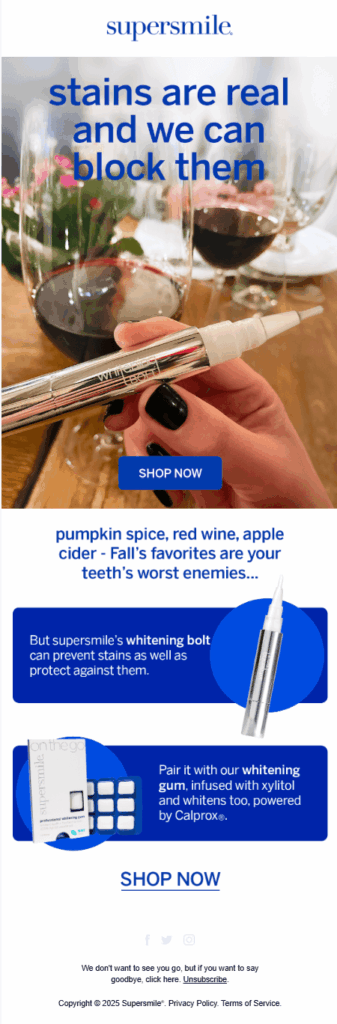
While educational content builds trust, strategic promotional emails drive specific business goals. The key is to frame promotions as valuable opportunities for your patients, not as sales pitches.
Tactical promotional emails include:
-
Seasonal Offers: “Start the New Year with a Whiter Smile! Schedule Your Professional Whitening in January and Receive 15% Off.”
-
Service Highlights: “Introducing Our New CEREC Same-Day Crown Technology! Discover how you can get a permanent crown in just one visit.” This educates while promoting a premium service.
-
Limited-Time Procedures: “We have reserved special time for Invisalign consultations this month. Book your complimentary scan and smile assessment.”
-
Patient-Appreciation Events: “As a valued member of our practice, you’re invited to our exclusive Smile Makeover Seminar with Dr. [Name]. Enjoy refreshments and a special consultation offer.”
These campaigns should always be targeted. For example, a promotion for dental implant consultations should only go to patients missing teeth, not your entire pediatric list.
Educational Emails (Newsletters)
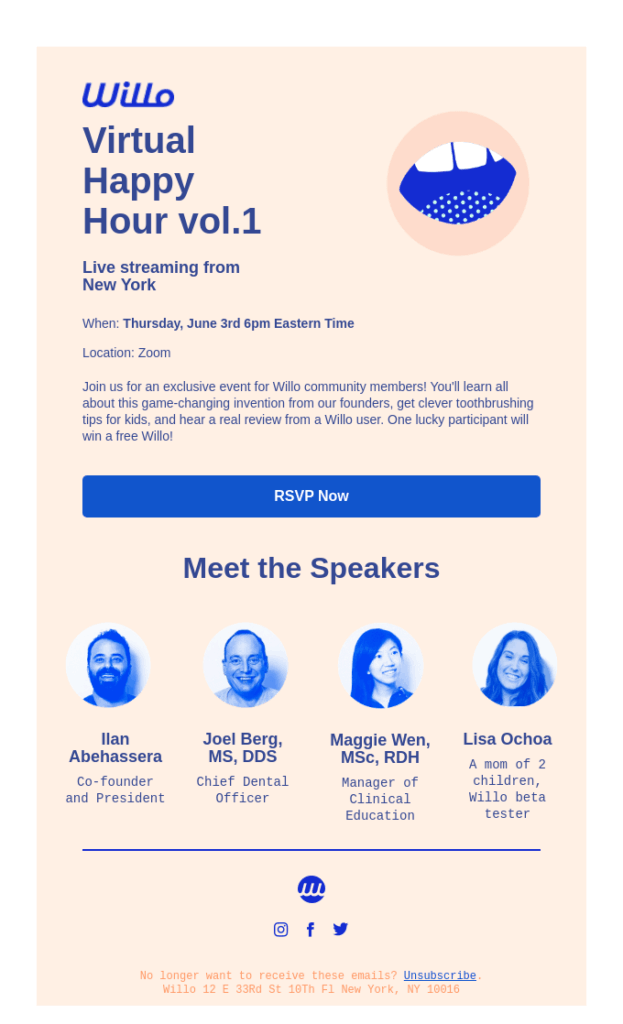
This category is the engine of long-term trust and authority. By providing consistent, valuable information, you become your patients’ primary resource for oral health, making them more likely to accept treatment and remain loyal.
Content ideas for educational emails are vast:
-
Oral Hygiene Tips: “The Proper Technique for Flossing with Braces,” “Choosing the Right Toothpaste for Sensitive Teeth.”
-
Procedure Explainers: “A Step-by-Step Guide to a Root Canal: What to Really Expect,” “The Benefits of Dental Implants vs. Bridges.”
-
Preventive Care Insights: “The Surprising Link Between Gum Health and Heart Disease,” “Nutrition Tips for Strong Teeth in Children.”
-
Practice Updates: “Welcome Our New Hygienist, Sarah!,” “We’ve Upgraded Our Sterilization Protocol for Your Safety.”
A monthly or quarterly newsletter format works well, blending 2-3 short articles with brief practice updates and a gentle, universal CTA like “Schedule Your Next Check-Up.”
Referral Campaigns
Your satisfied patients are your most credible marketers. A structured referral program, promoted via email, turns this organic word-of-mouth into a predictable growth channel.
A successful referral campaign email should:
-
Express genuine gratitude for the patient’s trust.
-
Clearly state the offer: “When you refer a friend or family member who completes a new patient exam, you both receive a $50 credit toward future treatment.”
-
Make the process effortless. Provide a unique referral link to share or a simple “Refer a Friend” button within the email.
-
Outline the steps and assure them of their friend’s privacy.
-
Reinforce the value of your practice to their network.
Sending these emails periodically, especially after a patient leaves a positive review or completes a major treatment, capitalizes on their high satisfaction to grow your community with similarly qualified individuals.
Re-engagement Emails
Not every patient will remain active indefinitely. A re-engagement campaign is designed to win back patients who haven’t visited in a significant time (e.g., 18-24 months).
This sensitive process requires a thoughtful, staged approach:
-
Stage 1 – The “We Miss You” Email: A warm, concerned tone. “It’s been a while since we’ve seen you for a cleaning, and we genuinely care about your oral health. Is everything okay?” Offer an easy way to update their information or preferences.
-
Stage 2 – The “Remove Barriers” Email: If there’s no response, offer a concrete incentive to return. “To make it easier to get back on track, we’re reserving time for you with a complimentary exam or a hygiene visit discount.” Address potential anxieties about cost or long absences.
-
Stage 3 – The “Final Check-In”: A respectful, final attempt. “We want to ensure our communications are welcome. Please click here to confirm you’d like to stay on our list for occasional updates, or we’ll respectfully close your file.” This cleans your list and respects patient choice.
By employing these seven email types strategically, a dental practice creates a holistic communication framework that manages the operational calendar, educates the community, nurtures lasting relationships, and drives sustainable growth, all through the powerful, personal medium of email.
Dental Email Marketing Strategy Tips
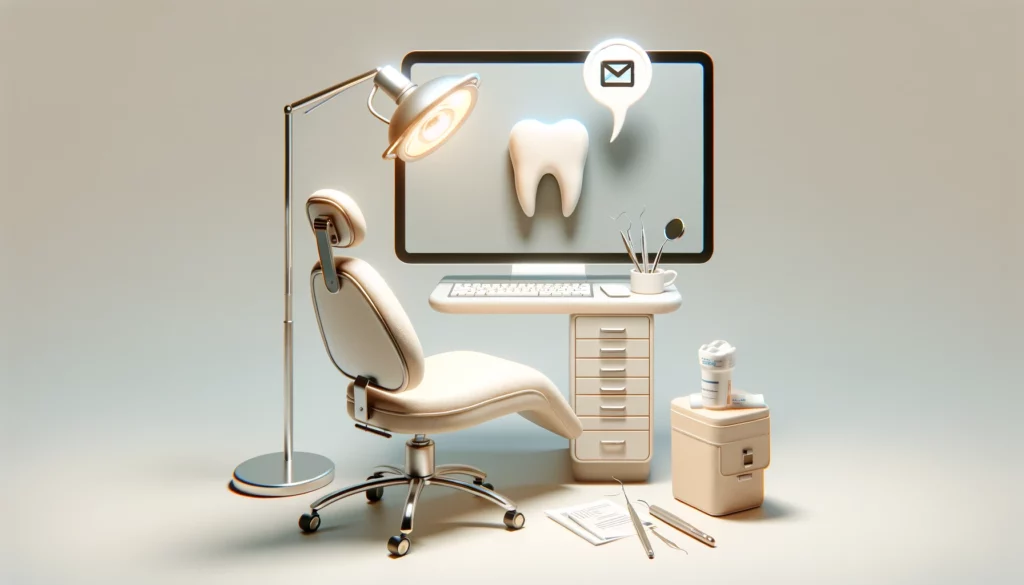
Transforming the theory of email marketing into a results-driven system for your practice requires a deliberate and structured approach. A collection of sporadic emails will not yield the desired outcomes. Instead, a cohesive strategy, built on planning, execution, and analysis, turns email into a reliable engine for patient retention and practice growth. Here are the eight foundational pillars of a successful dental email marketing strategy.
1. Create an Email Marketing Plan
Before designing a single email, you must establish a clear plan. This document serves as your roadmap, aligning your email efforts with your practice’s broader business objectives.
A robust email marketing plan should define:
-
Primary Goals: What do you want to achieve? Common goals include reducing appointment no-shows by 30%, increasing hygiene recall rates, promoting a new service like Invisalign, or boosting patient referrals. Each goal will shape your content and metrics.
-
Target Audience Segments: Your patient list is not monolithic. Segment your audience from the outset. Consider categories like: New Patients, Active Hygiene Patients, Patients Due for Recall, Patients Interested in Cosmetic Procedures, and Parents of Pediatric Patients. Each segment receives tailored messaging.
-
Content Themes & Cadence: Establish a sustainable sending frequency (e.g., a monthly newsletter, plus automated transactional emails). Plan overarching themes for the quarter, such as “Preventive Care Summer,” “Back-to-School Dental Health,” or “Restorative Options Explained.” This prevents last-minute scrambles for content ideas.
-
Brand Voice & Tone: Decide how your practice “sounds” in writing. Is it friendly and reassuring, professionally authoritative, or warmly familial? Consistency in tone builds recognition and trust.
-
Integration with Other Systems: Your plan must outline how email integrates with your practice management software for data sync, your website for list sign-ups, and your front desk protocols for collecting email addresses.
2. Choose an Email Marketing Platform
A dedicated email marketing service provider (ESP) is non-negotiable. It is the technology platform that enables professionalism, automation, and scalability. When evaluating platforms, consider these critical features for a dental practice:
-
Automation & Workflow Capabilities: The ability to set up automated email sequences (welcome series, recall reminders) based on patient actions or timelines is essential for efficiency.
-
Segmentation and Personalization Tools: The platform must allow you to easily tag and segment subscribers based on data (last visit, procedure type) and send personalized content to those groups.
-
HIPAA-Compliance Considerations: While no platform makes you HIPAA-compliant, many offer features (like Business Associate Agreement – BAA – availability, data encryption, secure access controls) that are necessary if you plan to send any Protected Health Information (PHI). For most day-to-day marketing emails, avoiding PHI is the best practice.
-
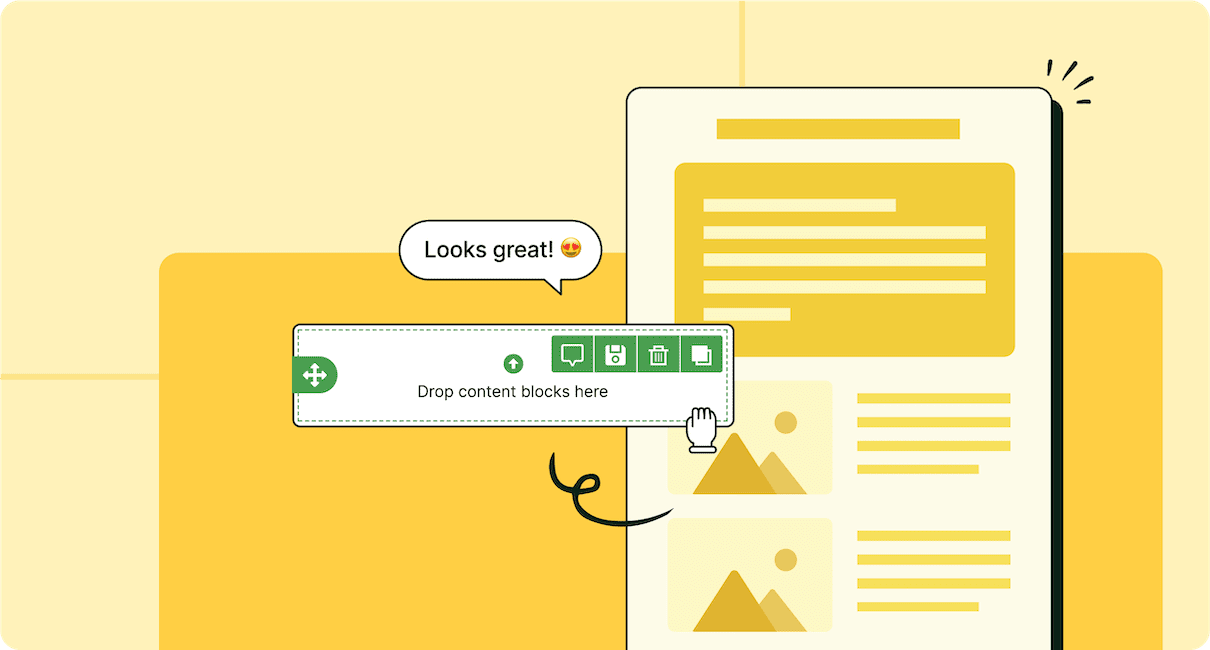
Ease of Use & Templates: Look for an intuitive drag-and-drop editor and a library of mobile-responsive templates that can be customized with your branding.
-
Integration Options: Seamless integration with your practice management software (like Dentrix, Open Dental, or Eaglesoft) is a game-changer. It can automatically add new patients to your list, trigger welcome emails, and update patient statuses based on appointments.
-
Analytics and Reporting: Built-in analytics to track opens, clicks, and conversions are vital for measuring success.
3. Grow Your Email List
Your strategy is only as powerful as your list. A quality, permission-based list is built intentionally. Avoid purchasing lists, which damage sender reputation and violate regulations.
Effective list-building tactics include:
-
In-Office Sign-Up: The most effective method. Train your front desk team to politely request and enter email addresses during check-in or scheduling. Use a clear value proposition: “We use email to send appointment reminders and helpful oral health tips. May we add your email to your file?”
-
Website Opt-In Forms: Place a prominent, inviting sign-up form on your website’s homepage, contact page, and blog. Offer a lead magnet—a valuable free resource in exchange for an email address—such as a “Guide to Overcoming Dental Anxiety,” “Children’s Brushing Chart,” or “Checklist for Your First Visit.”
-
Social Media Promotion: Encourage your social media followers to join your “inner circle” for exclusive content and oral health advice by providing a link to your email sign-up page.
-
New Patient Onboarding Packet: Include a clear opt-in section in your digital or physical new patient paperwork.
-
Contests or Giveaways: A “Win a Professional Whitening Kit” contest at a community event or on social media can attract new leads, provided you follow contest rules and get explicit consent for marketing emails.
4. Deliver Engaging Content
Content is the currency of email marketing. Engagement is driven by providing consistent value. Your content mix should follow the 80/20 rule: 80% educational/informational, 20% promotional.
Strategies for engaging dental content:
-
Solve Problems: Address common patient concerns and questions. “5 Signs You Might Need a Night Guard,” “How to Care for Your Temporary Crown,” or “What to Eat After a Tooth Extraction.”
-
Showcase Your Expertise: Share short case studies (with explicit patient consent) or explain complex procedures in simple terms. This demystifies treatments and builds confidence in your skills.
-
Humanize Your Practice: Feature your team with staff spotlights, share behind-the-scenes photos of a community event you sponsored, or introduce a new dentist. People connect with people.
-
Use Compelling Visuals: Incorporate high-quality, relevant images, short videos (e.g., a 60-second flossing tutorial from your hygienist), or infographics. Visual content increases engagement and retention of information.
-
Clear, Action-Oriented CTAs: Every email should have a purposeful Call-to-Action. Use clear, benefit-oriented button text like “Schedule Your Check-Up,” “Download Your Free Guide,” or “Learn About Invisalign.”
5. Personalize Your Emails
Personalization extends far beyond inserting a first name (Hi). It’s about delivering the most relevant message to the right person at the optimal time.
Advanced personalization for dentists involves:
-
Behavioral Triggers: Send an email with post-op care instructions automatically after a patient has undergone a specific procedure like an extraction or implant placement.
-
Appointment-Based Content: Two days before a child’s dental cleaning, send an email to the parents with tips to prepare their child, featuring a friendly photo of the pediatric hygienist.
-
Segmented Campaigns: Send a targeted campaign about the benefits of dental implants only to patients who are missing teeth, or a reminder about orthodontic retention options only to patients who recently completed Invisalign treatment.
-
Dynamic Content: Some platforms allow you to change content blocks within an email based on subscriber data. For example, in a general newsletter, one block could show cosmetic services to patients tagged “cosmetic-interest” and preventive tips to all others.
6. Build Automated Workflows
Automation is the ultimate efficiency tool, allowing you to provide timely, personalized communication without manual effort. Key dental workflows include:
-
New Patient Welcome Series: A 3-4 email sequence delivered after the first appointment is booked. Email 1: Welcome and confirmation. Email 2: Meet the doctor and team, what to expect. Email 3: Practice philosophy and a gentle reminder to complete forms.
-
Recall/Re-care Automation: The most important workflow. Automatically tag a patient after a hygiene visit with a “6-month recall” date. At 5 months, trigger a series: a friendly reminder email, followed by a second reminder with an easy “Schedule Now” button, and perhaps a final notice.
-
Birthday/Anniversary Emails: Automate a birthday greeting with a special offer (e.g., $25 off any treatment) or a practice anniversary thank-you note. This small touch fosters immense goodwill.
-
Treatment Follow-Up Sequences: After a significant procedure, an automated check-in email (“How are you feeling after your root canal?”) shows exceptional care and can prompt a patient to report any issues.
7. Monitor Key Performance Metrics
Data-driven decisions separate effective strategies from ineffective ones. Regularly review these key performance indicators (KPIs):
-
Open Rate: The percentage of recipients who open your email. A low rate may indicate poor subject lines or list fatigue. Industry averages for healthcare are around 20-25%.
-
Click-Through Rate (CTR): The percentage who click on a link within the email. This measures content engagement. A higher CTR means your content is compelling and your CTAs are effective.
-
Conversion Rate: The most important metric. What action did you want them to take? Track how many people clicked “Schedule an Appointment” and actually booked, or how many downloaded your guide. This directly ties to ROI.
-
Unsubscribe Rate: A small number is normal. A sudden spike signals irrelevant or excessive sending.
-
List Growth Rate: Monitor how quickly your qualified list is expanding month-over-month.
8. Use A/B Testing and AI
Continuously optimize your campaigns by leveraging modern tools.
-
A/B Testing (Split Testing): Send two slightly different versions of an email to a small segment of your list to see which performs better, then send the winner to the rest. Test elements like:
-
Subject Lines: “Your June Check-Up Reminder” vs. “We’ve reserved your summer smile appointment, [Name]!”
-
Send Times: Tuesday at 10 AM vs. Wednesday at 2 PM.
-
CTA Buttons: “Book Now” vs. “Secure Your Appointment.”
-
Sender Name: “Dr. Smith’s Dental Care” vs. “Jane from Dr. Smith’s Office.”
-
-
Leverage AI Tools: Artificial Intelligence can augment your strategy in several ways:
-
Subject Line & Content Ideation: Use AI writing assistants to generate creative subject line options or brainstorm blog/article topics for your newsletters.
-
Send-Time Optimization: Some ESPs use AI to analyze when each individual subscriber is most likely to open emails and automatically sends it at that time.
-
Content Personalization at Scale: AI can help dynamically generate personalized content snippets based on patient data segments.
-
By meticulously implementing these eight strategic tips, you move beyond sending emails to managing a sophisticated, automated patient communication system. This system works tirelessly to enhance patient experience, streamline operations, and contribute directly to the financial and relational health of your dental practice.
FAQs
1. How can dentists find new clients?
While email marketing is exceptionally powerful for patient retention and reactivation, it can also be a strategic engine for new client acquisition when used as part of a broader digital marketing funnel. The key is to use email to convert interested prospects into booked appointments.
-
Optimize Your Website for Lead Generation: Your website is your 24/7 front desk. Implement clear, compelling calls-to-action (CTAs) like “Schedule Your New Patient Consultation” or “Download Our Free First-Visit Guide.” These CTAs should link to a simple form that captures the visitor’s name, email address, phone number, and primary concern. The email address captured here is your golden ticket—this prospect has raised their hand and expressed interest.
-
Offer a Valuable Lead Magnet: A “lead magnet” is a free resource exchanged for contact information. For dentists, this could be an “Overcoming Dental Anxiety E-Guide,” a “Children’s Oral Care Checklist,” or a “Cosmetic Dentistry Smile Assessment Quiz.” Promote this lead magnet on your website, social media, and even in-office. When someone downloads it, they are automatically added to a segmented “New Prospect” email list.
-
Implement a Nurture Sequence: Don’t just add the prospect to your general newsletter. Instead, trigger an automated email sequence designed to build trust and guide them to book an appointment. This sequence (3-5 emails over a few weeks) should introduce your practice philosophy, showcase patient testimonials, explain what makes a first visit comfortable, and gradually encourage them to take the next step.
-
Leverage Current Patients for Referrals: Your existing happy patients are your best source of new, high-quality clients. Implement a structured email referral program (as mentioned in the “Popular Email Types” section) that incentivizes and makes it easy for patients to refer friends and family. This turns your email list into a proactive recruitment tool.
-
Re-Engage Past Patients: A “win-back” campaign targeted at patients who haven’t visited in 18+ months can reactivate relationships. A warm, empathetic email expressing that you’ve missed them, addressing common concerns about returning, and perhaps offering a “welcome back” hygiene special can bring dormant patients back into the active fold, effectively acquiring them as clients again.
2. How can dentists measure the success of their email campaigns?
Success is not a feeling; it’s measured by data. Dentists must move beyond just “sending emails” to tracking key performance indicators (KPIs) that tie directly to practice goals. Here are the primary metrics to monitor within your email marketing platform’s analytics dashboard:
-
Open Rate: The percentage of recipients who opened your email. This indicates the effectiveness of your subject line and sender name. While the average for healthcare is around 20-25%, a higher rate suggests strong relevance. If open rates are low, test new subject lines.
-
Click-Through Rate (CTR): The percentage of recipients who clicked on one or more links contained in your email. This measures the engagement and relevance of your content and the clarity of your calls-to-action (CTAs). A low CTR means your content isn’t compelling enough to drive action.
-
Conversion Rate: This is the most critical metric. It measures the percentage of recipients who completed the desired action after clicking. This action is defined by your campaign goal:
-
For a recall campaign: The number of appointments booked from the “Schedule Now” button.
-
For a promotional campaign: The number of inquiries or bookings for a specific service like teeth whitening.
-
For a lead magnet: The number of guide downloads or form submissions.
Tracking conversions often requires setting up goals in Google Analytics or using your practice management software to track the source of new appointments.
-
-
List Growth Rate: Measures how quickly your email list is expanding month-over-month. A healthy practice should see steady, organic growth from website sign-ups and in-office collection. Stagnation indicates a need to improve list-building tactics.
-
Unsubscribe Rate: The percentage of recipients who opt-out of your list after an email. A consistently high rate (above 0.5%) is a red flag that your content is irrelevant, too frequent, or not meeting expectations.
-
Direct Practice Impact Metrics: Ultimately, tie email efforts to practice management data:
-
Reduction in appointment no-show/cancellation rates after implementing reminder automations.
-
Increase in hygiene recall reappointment rates.
-
Number of new patient appointments attributed to referral or reactivation campaigns.
-
3. What are the best email marketing strategies for dental practices?
The best strategies are systematic, patient-centric, and automated. They focus on building relationships rather than just sending promotions.
-
Prioritize Automation and Workflows: Automate every recurring communication. This includes:
-
Welcome Series for new patients.
-
Recall/Re-care Sequences to automatically follow up after cleanings.
-
Birthday/Anniversary Messages to foster goodwill.
-
Post-Treatment Follow-ups to show exceptional care.
Automation ensures no patient falls through the cracks and frees up your team’s time.
-
-
Segment Your Audience Religiously: Stop sending the same email to everyone. Divide your list based on:
-
Patient Status: New, Active, Due for Recall, Dormant.
-
Clinical Interest: General Hygiene, Cosmetic, Orthodontic, Pediatric.
-
Behavior: Opened last campaign, Clicked on implant link.
Segmentation allows for hyper-relevant messaging, which dramatically increases engagement and conversions.
-
-
Adopt a Value-First Content Philosophy: Embrace the 80/20 rule: 80% of your emails should educate, inform, and build trust (oral health tips, procedure explanations, team introductions). Only 20% should be directly promotional. This establishes your practice as a trusted authority, not just a service provider.
-
Personalize Beyond the First Name: Use the data you have. Reference the patient’s last visit (“Hope you’ve been enjoying your brighter smile since your whitening in June!”), acknowledge their child’s name in pediatric communications, or tailor content based on their treatment history.
-
Commit to Consistency and Quality: Determine a sustainable sending schedule—whether it’s a bi-weekly tip or a monthly newsletter—and stick to it. Consistent, high-quality contact keeps your practice top-of-mind. Ensure every email is mobile-friendly, professionally designed, and free of errors.
-
Test, Analyze, and Refine: Regularly use A/B testing for subject lines, send times, and CTAs. Review your KPIs monthly to understand what resonates with your patients. Let data, not assumptions, guide your strategy adjustments. This cycle of continuous improvement ensures your email marketing becomes more effective over time.
Read More: The 5 Email Marketing Metrics That Matter Most (And How to Improve Them)