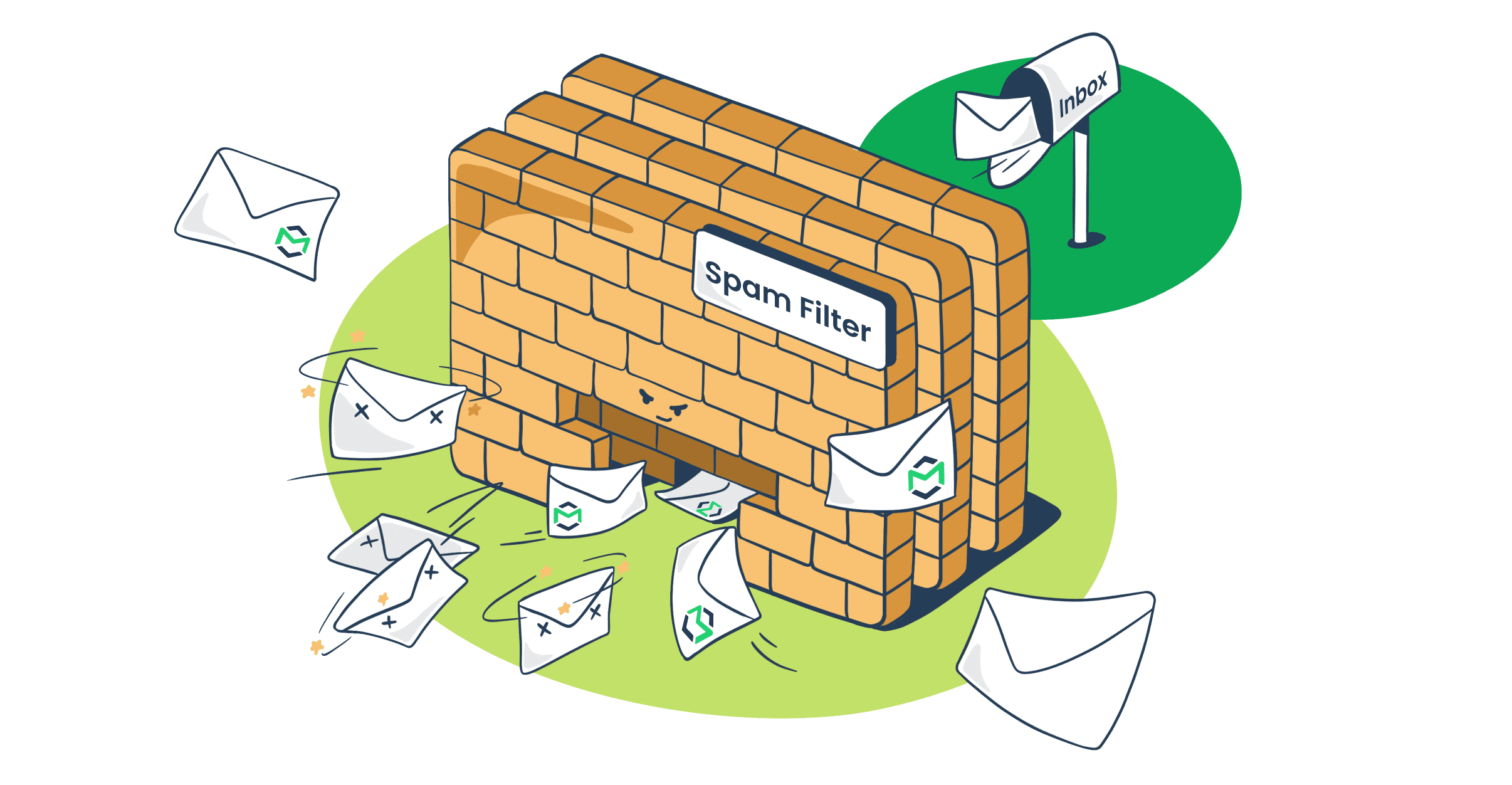
In 2026, email remains one of the most powerful digital communication channels — but getting your messages seen is harder than ever. With inbox providers applying increasingly strict filtering based on engagement signals and sending reputation, simply hitting “send” doesn’t mean your email will land where it matters: the primary inbox. Even when someone opts in to your list, their mailbox provider might still divert your email to spam, promotions, or secondary folders based on behavioral and technical criteria. This makes email whitelisting not just a nice bonus but a practical tactic for maximizing inbox placement, engagement, and overall campaign performance.
At its core, whitelisting is about establishing trust at the individual subscriber level. When a subscriber adds your email address to their contacts, safe sender list, or marks it as “not spam,” they’re sending a clear signal: they want to receive your content. Mailbox providers interpret this as a strong engagement signal, tipping the scales in favor of inbox placement. Without that signal, even legitimate and valuable emails can languish unseen — a problem that quickly snowballs into worse engagement, lower deliverability, and friction in automated workflows.
This section will explore why whitelisting matters, what happens when you don’t encourage it, and strategic moments to ask subscribers to whitelist your messages without sounding pushy — all rooted in the latest practices and trends shaping email success in 2026.
Impact of No Whitelisting
Failing to ask subscribers to whitelist your email can undermine your email program in ways that extend beyond mere inbox placement. Below are the three biggest areas affected when whitelisting is overlooked.
Reduced Inbox Placement
When subscribers don’t add you to their contacts or safe senders list, mailbox providers have fewer positive engagement signals to judge whether your messages belong in the inbox. Even if your infrastructure is technically sound, the absence of these subscriber-level signals makes it hard for inbox algorithms to decide in your favor — especially for bulk or promotional sends. What this usually means in practice is:
-
Emails land in auxiliary folders (e.g., Promotions, Updates) rather than the primary inbox.
-
Messages might be filtered entirely into spam by more aggressive spam filters.
-
Even high-intent subscribers might never see your message because it’s buried among other lower-priority communications.
This reduced visibility isn’t just a nuisance; it directly impacts whether subscribers open, engage, or act on your content. Low visibility early in the relationship harms adoption of future campaigns too, since many inbox providers use early engagement — such as opens and clicks — as a predictor of long-term interest.
Lower Engagement and Worse Sender Reputation
Engagement isn’t just about campaign effectiveness — it’s a deliverability signal. When your emails consistently land in the inbox and are opened, clicked, or replied to, inbox providers learn that your audience wants your messages. But when your emails are filtered into secondary folders or spam, engagement drops automatically.
Lower engagement has several cascading effects:
-
Open rates plummet, which discourages inbox providers from favoring your emails.
-
Click-through rates drop, diluting the perceived value of your content.
-
Spam complaints rise when subscribers don’t recognize you or can’t find the unsubscribe link quickly.
-
Sender reputation deteriorates, pushing future messages deeper into filters.
Over time, this creates a feedback loop where lack of engagement fuels worse inbox placement, and worse inbox placement reduces engagement further. Encouraging whitelisting early helps break this cycle by giving inbox providers valuable proof that your subscribers want your emails.
Broken or Delayed Workflows
In many email programs, core customer experiences hinge on timely message delivery. These include:
-
Welcome sequences triggering onboarding experiences.
-
Delivery of lead magnets, guides, or downloads.
-
Time-sensitive messages like verification codes, billing alerts, or account notifications.
-
Nurture campaigns designed to move leads toward conversion.
When these emails don’t land where subscribers actually see them, workflows break — often without clear visibility from marketers. Users might miss verification emails and abandon signup flows. Trial users might not see onboarding tips in time. Transactional messages might arrive too late to be useful.
In contrast, when subscribers whitelist your emails, these essential messages have a higher probability of bypassing aggressive filters and reaching the intended inbox. Over time, this reliability improves user experience and maintains trust in your automated flows.
When and Where to Ask Subscribers to Whitelist You

Timing and placement of your whitelisting request matter just as much as the message itself. Ideally, you ask when subscribers are most engaged, expect communication from you, or are already investing attention into your content or offer. Below are strategic places to make that ask in a natural, helpful way.
In Your Welcome Email
The welcome email is the single most powerful moment to ask subscribers to whitelist you. Subscribers have just expressed interest, are anticipating your first message, and are still mentally engaged with your brand. This makes it the perfect time to encourage a small action that ensures future messages reach them reliably.
But timing within the email is key. Rather than leading with whitelisting, integrate it as a helpful tip after you’ve:
-
Confirmed what the subscriber signed up for.
-
Set expectations regarding what they’ll receive and how often.
-
Highlighted the value they’ll get from your messages.
At this point, a single line encouraging them to add your address to their contacts or safe senders list feels relevant and supportive, not intrusive. You can make it even more effective by framing it in terms of benefit to the subscriber — e.g., “To make sure you never miss part two of this series, add us to your contacts.”
For subscribers who might have missed or overlooked this in the first email, you can reinforce the gently in your next email in the series. A simple acknowledgment like “If this landed in your Promotions tab, dragging it to your primary inbox helps future messages arrive where you expect them” can make whitelisting feel intuitive rather than like a chore.
After Delivering a Lead Magnet
When someone signs up to receive something of value — an ebook, guide, template, or multi-part email course — they’re already primed for follow-up content. The email that delivers the lead magnet is another natural opportunity to suggest whitelisting.
However, this ask should tie directly to the expected benefit the subscriber cares about: receiving subsequent parts of the content on time. A whitelisting prompt positioned immediately after the link to the download or resource — or in a “don’t miss the next part” block — looks less like a request and more like a practical step to ensure a complete experience.
For example, explicitly telling subscribers when they’ll get the next part (“Part two arrives tomorrow morning”) helps them link the action of whitelisting to a clear outcome. This kind of timing language reduces ambiguity and positions your request as a supportive nudge rather than an imposition.
Inside the Email Footer or the Preference Center
For subscribers who are already past the initial onboarding phase, it’s important to keep the whitelisting option available without interrupting their engagement with your primary content. Two subtle, long-term placements work well:
-
Email footer prompts: A short line near the footer — ideally near the unsubscribe or manage preferences link — gives subscribers a low-commitment place to learn how to whitelist if they choose.
-
Preference center: When subscribers are reviewing their communication preferences, adding a link or text explaining how they can ensure better inbox placement fits naturally within that context.
These placements ensure whitelisting instructions are available when subscribers are already thinking about email preferences and relationship management, without forcing the ask into the main messaging flow.
On a Thank You Page
Thank-you pages — especially after signup or purchase — are high-attention moments. Users are expecting a follow-up email and are already looking at their screens while waiting for delivery. This makes it a great time to suggest whitelisting in a clear, user-centric way.
Here you can say something like: “We’ve sent your resource — to make sure it lands in your primary inbox and not spam, take a moment to add us to your contacts.” Follow it with simple instructions or cookies (like jump links) for popular email clients.
This approach captures attention at the precise moment subscribers are thinking about receiving your email, which helps them connect the dots and act right away.
Re-Engagement or Win-Back Emails
Re-engagement flows target subscribers who haven’t interacted in a while or have dropped off. These messages are especially sensitive because deliverability and engagement are already fragile. When engagement drops, mailbox providers are likelier to filter subsequent messages — and these subscribers might miss your messages entirely.
Including a whitelisting request in a re-engagement email can help reestablish visibility by encouraging subscribers to take action that improves inbox placement. Frame it as a way to ensure they don’t miss updates they’ve previously shown interest in, rather than as a generic deliverability plea.
However, use this sparingly — if subscribers ignored earlier whitelisting prompts, repeatedly asking for it can feel repetitive. Instead, position it within the context of reactivating a valued connection and highlight the benefit to them first.
This comprehensive approach explains not just where to ask subscribers to whitelist, but why these moments matter and how framing the ask around subscriber benefits increases the likelihood of real action. By embedding whitelisting into key touchpoints — from welcome emails to thank-you pages — you create multiple, natural opportunities to boost visibility and strengthen deliverability.
How to Get Subscribers to Whitelist You without Sounding Pushy

Asking subscribers to whitelist your emails can feel awkward if it’s done the wrong way. A direct or overly technical request can easily come across as self-serving, especially to users who don’t fully understand how inbox filtering works. In 2026, successful whitelisting requests are subtle, value-driven, and focused on improving the subscriber’s experience—not fixing your deliverability problems.
Below are proven, subscriber-friendly ways to encourage whitelisting while keeping your tone natural and respectful.
1. Lead with Value
The most important rule of asking for whitelisting is this: never ask before you’ve given something meaningful.
Subscribers are far more likely to take action when they understand what’s in it for them. Instead of framing whitelisting as something you need, position it as something that helps them receive what they signed up for.
Effective value-based framing includes:
-
Ensuring they don’t miss exclusive tips, updates, or offers
-
Guaranteeing timely delivery of a multi-part email series
-
Making sure important account or product updates don’t get lost
-
Improving visibility of time-sensitive resources or downloads
For example, instead of saying “Please whitelist us so our emails don’t go to spam,” you guide subscribers toward a benefit-focused message like ensuring future lessons, reports, or alerts arrive without interruption.
Leading with value also means timing the request after a positive moment—such as immediately after delivering a helpful resource, sharing a useful insight, or confirming a successful signup. When subscribers already feel rewarded, the whitelisting ask feels like a logical next step rather than a burden.
2. Keep the Ask Short and Casual
Lengthy explanations about spam filters, algorithms, or email infrastructure can overwhelm subscribers and discourage action. Most people don’t need to understand why whitelisting works—they just need to know what to do and why it benefits them.
A short, conversational request works best. One or two sentences is often enough, especially in early emails like welcome messages or lead magnet deliveries. The tone should feel helpful and relaxed, not formal or urgent.
A casual approach also avoids sounding desperate or overly promotional. If the request blends naturally into your email content, subscribers are more likely to read it and act on it. Overly bold formatting, aggressive language, or repeated reminders in the same email can trigger resistance.
In 2026, inbox providers increasingly reward genuine engagement, so subtlety matters. A simple nudge is often more effective than a hard ask.
3. Use Clear Microcopy
Microcopy refers to small bits of instructional text that guide users toward an action. When it comes to whitelisting, clarity is critical—many subscribers are willing to help but don’t know exactly what “whitelisting” means in practical terms.
Instead of vague instructions, use simple, action-oriented language that explains the step in plain words. For example:
-
Add this email address to your contacts
-
Move this email to your primary inbox
-
Mark this message as “not spam”
-
Save our sender address so future emails arrive properly
Avoid technical jargon such as “safe sender list” unless it’s paired with a clear explanation. Different email clients use different terminology, so using universally understandable actions reduces confusion.
Clear microcopy also means placing the instruction where it’s easy to spot—near the top of the email, directly after a download link, or in a highlighted callout box. When instructions are buried deep in paragraphs, subscribers are less likely to notice them.
4. Consider Visual Cues
Visual cues can significantly increase the chances that subscribers notice and act on your whitelisting request. Many readers skim emails rather than reading every word, so visual elements help draw attention without disrupting the overall message.
Effective visual cues include:
-
Small icons next to the whitelisting message
-
Subtle callout boxes or shaded sections
-
Simple arrows pointing to the sender name or inbox tabs
-
Lightweight illustrations showing an email being moved to the inbox
The key is restraint. Visual cues should support the message, not dominate it. Overuse of graphics or loud colors can feel promotional and distract from your main content.
In 2026, dark mode and mobile-first email reading are standard, so visuals should be optimized for both. Clean, high-contrast designs that remain readable on small screens are especially important.
5. Provide Options
Not all subscribers use the same email client, and not all are willing to perform the same action. Giving subscribers multiple acceptable ways to whitelist you increases the likelihood that at least one option feels easy and achievable.
For example, instead of insisting on a single action, you can suggest alternatives such as:
-
Adding your email to contacts
-
Replying to the email
-
Dragging the message into the primary inbox
-
Clicking a link or saving the sender
Providing options respects the subscriber’s preferences and technical comfort level. It also reduces friction, which is crucial when asking for any extra step.
This flexibility is especially helpful for mobile users, who may not have easy access to contact lists or advanced email settings. By offering more than one path, you remove barriers and make whitelisting feel optional rather than mandatory.
Mini Whitelisting Guides for Popular Email Clients
Different email clients handle whitelisting in different ways. Providing simple, client-specific instructions helps subscribers take action quickly without searching for answers elsewhere. Below are up-to-date, easy-to-follow whitelisting steps tailored to the most widely used email platforms in 2026.
For Gmail
Gmail uses a combination of tabs, filters, and engagement signals to decide where emails appear. Subscribers can whitelist your emails using several simple actions.
The most effective method is adding your sender address to their Google Contacts. Once added, Gmail is more likely to recognize your emails as trusted and route them to the primary inbox.
Another common approach is moving your email from the Promotions or Spam tab into the Primary tab. When a subscriber drags the message and confirms the change, Gmail learns their preference and applies it to future messages.
Subscribers can also click the three-dot menu on the email and select the option that confirms the message is safe. Replying to your email further reinforces trust by signaling active engagement.
For Apple Mail
Apple Mail relies heavily on user actions to determine sender trust, especially across macOS and iOS devices.
The simplest way to whitelist an email in Apple Mail is to add the sender to contacts. This can be done directly from the email by tapping or clicking the sender’s name and choosing the option to create a new contact or add to an existing one.
If an email appears in the junk folder, moving it to the inbox helps train Apple Mail’s filters. Over time, repeated positive actions reinforce sender trust across the user’s Apple ecosystem, including synced devices.
Encouraging subscribers to open and read your emails regularly also improves placement, as Apple Mail factors engagement into its filtering logic.
Outlook (Desktop and Web)
Outlook offers both desktop and web-based experiences, but whitelisting actions are similar across both.
Subscribers can add your sender address to their contacts, which signals Outlook that your emails are safe. Another method is marking the email as “not junk” if it appears in the junk folder.
Outlook users can also create a rule that always moves emails from your address to their inbox. While this is a more advanced step, it’s useful for subscribers who rely heavily on Outlook for work and want to ensure important emails are never missed.
Consistent engagement—such as opening, replying, or clicking links—also helps Outlook recognize your emails as relevant and trustworthy.
Yahoo Mail
Yahoo Mail uses a combination of filters and user behavior to manage inbox placement.
Adding the sender to contacts is the most straightforward way to whitelist an email. Subscribers can do this directly from the email interface with just a few clicks.
If your message appears in the spam folder, moving it back to the inbox is an important corrective signal. Yahoo Mail learns from these actions and adjusts future placement accordingly.
Encouraging subscribers to interact with your emails—by opening them consistently or starring them—also improves visibility and reinforces sender trust over time.
Android Mail Apps
Android users may use a variety of email apps, including default mail clients, Gmail, or manufacturer-specific apps. While interfaces differ, the core whitelisting principles remain the same.
Most Android mail apps allow users to add a sender to contacts directly from the message. This is usually the most effective and universally supported method.
Marking emails as “not spam” and moving them to the main inbox also trains filters to recognize trusted senders. In some apps, starring or flagging an email further improves future placement.
Because mobile users are often action-oriented, keeping instructions short and simple is especially important when addressing Android audiences.
Whitelisting Best Practices for Better Deliverability
Encouraging subscribers to whitelist your emails is most effective when it’s supported by strong, consistent sending practices. Whitelisting is not a magic switch—it amplifies the trust you’ve already built. In 2026, inbox providers evaluate sender behavior holistically, combining subscriber actions with identity signals, content patterns, and engagement history. The following best practices ensure that when subscribers do whitelist you, their action has maximum impact on inbox placement and long-term deliverability.
1. Keep Your “From” Name Consistent
Your “From” name is one of the first elements subscribers recognize when scanning their inbox. Consistency here builds familiarity, which directly influences whether a subscriber opens, engages with, or even remembers your emails.
Frequent changes to the “From” name—switching between brand names, personal names, or campaign-specific labels—can confuse subscribers and weaken recognition. When users don’t immediately recognize who an email is from, they’re less likely to open it and more likely to ignore or mark it as spam.
In the context of whitelisting, consistency matters even more. If a subscriber adds you to their contacts using one “From” name, but later sees a different variation, the connection between the whitelisted sender and the incoming email becomes less obvious. This can reduce the effectiveness of their action and undermine trust.
Best practice is to choose a clear, recognizable “From” name early—ideally one that aligns with your brand identity—and stick with it across all campaigns, including onboarding, promotional, and transactional messages. Over time, this consistency reinforces recognition and strengthens the positive signals inbox providers rely on.
2. Use a Recognizable Sender Address
Beyond the “From” name, the actual sender email address plays a critical role in whitelisting success. Subscribers are far more likely to whitelist an address that looks legitimate, branded, and stable.
Using generic or frequently changing addresses can create friction. Addresses like “no-reply@” or campaign-specific aliases can feel impersonal or disposable, making subscribers hesitant to add them to contacts. In contrast, a sender address that clearly reflects your brand and purpose feels trustworthy and intentional.
A recognizable sender address also makes whitelisting instructions easier to follow. When subscribers are told to add your address to their contacts, clarity matters. If the address is simple, consistent, and brand-aligned, they’re more likely to complete the action without hesitation.
In 2026, inbox providers also monitor domain reputation closely. Using a stable sending domain for the majority of your communications helps ensure that whitelisting actions reinforce a single, strong sender identity rather than being diluted across multiple addresses.
3. Send Predictable Content Early in the Relationship
The early phase of the subscriber relationship is where deliverability is either established or compromised. Inbox providers pay close attention to how new subscribers interact with your first few emails, using that data to predict future relevance.
Predictable content during this stage means delivering exactly what the subscriber expects—no surprises, no sudden shifts in topic, tone, or frequency. If someone signs up for educational content, the first emails should focus on education. If they expect product updates, that’s what they should receive.
This predictability works hand in hand with whitelisting. When subscribers see that your early emails consistently deliver value, they’re more willing to whitelist you because the benefit is immediately clear. At the same time, their engagement reinforces positive signals for inbox providers.
Sending unexpected promotions, aggressive sales pitches, or unrelated content early on can damage trust before it’s fully formed. Even if a subscriber has whitelisted you, inconsistent content can lead to disengagement, which weakens the overall deliverability impact.
4. Maintain a Clear Sending Schedule
Consistency in sending frequency is another key factor in making whitelisting effective. Inbox providers prefer senders with stable, predictable patterns, and subscribers are more comfortable when they know how often to expect emails from you.
If your sending schedule is erratic—multiple emails one week, none the next—it becomes harder for subscribers to build a habit of engaging with your messages. This inconsistency can also trigger filtering systems that flag sudden spikes in volume as risky behavior.
When subscribers whitelist you, they’re expressing a preference to receive your emails. That preference is reinforced when your emails arrive at a regular cadence. Over time, consistent delivery and engagement strengthen your sender reputation and improve inbox placement across your list.
In 2026, setting expectations upfront is especially important. Let subscribers know how often you’ll email them, then honor that promise. Whether it’s weekly updates, bi-weekly insights, or occasional announcements, clarity and consistency help both subscribers and inbox providers trust your sending behavior.
5. Remove Inactive Users Before Major Sends
Whitelisting is most powerful when paired with a healthy, engaged list. Sending large campaigns to inactive or disengaged subscribers can dilute the positive impact of whitelisting and harm your overall sender reputation.
Inactive users are less likely to open or click your emails, and repeated non-engagement signals tell inbox providers that your content may not be relevant. This can affect inbox placement even for subscribers who have whitelisted you.
Before major sends—such as product launches, seasonal promotions, or important announcements—it’s best to clean your list by removing or suppressing subscribers who haven’t engaged in a meaningful period. This ensures that your campaign performance reflects genuine interest and reinforces positive engagement signals.
In 2026, many inbox providers prioritize engagement-based filtering even more heavily. By focusing on active subscribers, you create an environment where whitelisting actions are supported by strong behavioral data rather than overshadowed by inactivity.
6. Combine Whitelisting with SPF, DKIM, and DMARC
Subscriber whitelisting works best when it complements strong technical foundations. Authentication protocols like SPF, DKIM, and DMARC establish your identity at the infrastructure level, while whitelisting reinforces trust at the subscriber level.
Without proper authentication, even whitelisted emails may struggle to achieve consistent inbox placement. Inbox providers need to verify that your messages are legitimate and untampered with before honoring user preferences.
When authentication is correctly configured, whitelisting becomes more effective because inbox providers can confidently associate subscriber actions with a verified sender identity. This alignment between technical trust and user trust creates a powerful signal for deliverability.
In 2026, authentication is no longer optional—it’s a baseline requirement. Whitelisting should be viewed as an enhancement, not a replacement, for proper email authentication practices.
Final Thought
Email whitelisting is not about gaming the system—it’s about aligning subscriber intent with inbox provider signals. When someone chooses to whitelist your emails, they’re saying they value your content and want reliable access to it. Your role is to honor that choice by sending consistent, relevant, and well-structured emails that reinforce trust.
By combining thoughtful whitelisting prompts with strong sending habits, clean list management, and solid technical foundations, you create an email program that performs better not just in the short term, but over the long run. In 2026, sustainable inbox placement is built on trust, clarity, and respect for the subscriber experience.
FAQs
1. What does email whitelisting actually mean?
Email whitelisting is the act of a subscriber marking a sender as trusted within their email client. This can involve adding the sender to contacts, marking an email as “not spam,” or taking other actions that signal preference. Whitelisting tells inbox providers that the subscriber wants to receive emails from that sender, increasing the likelihood of inbox placement.
2. Does whitelisting guarantee inbox placement?
No, whitelisting does not guarantee inbox placement. It is a strong positive signal, but inbox providers evaluate multiple factors, including engagement, sender reputation, content quality, and authentication. Whitelisting improves your chances, but it works best when combined with consistent, high-quality sending practices.
3. Does whitelisting matter for transactional emails, too?
Yes, whitelisting can be valuable for transactional emails. While transactional messages are often prioritized by inbox providers, they can still be filtered or delayed under certain conditions. Whitelisting helps ensure that important messages like confirmations, receipts, and alerts arrive promptly and visibly.
4. Is whitelisting useful if you already have SPF, DKIM, and DMARC set up?
Absolutely. Authentication protocols verify who you are, but they don’t guarantee that subscribers want your emails. Whitelisting adds a human layer of trust that complements technical authentication. Together, they create a stronger case for consistent inbox placement.
5. How many times should you ask someone to whitelist you?
You should ask strategically, not repeatedly. The best moments are early in the relationship, after delivering value, or during key engagement points like onboarding or lead magnet delivery. If a subscriber doesn’t act the first time, a gentle reminder later is acceptable—but frequent or aggressive requests can feel pushy and harm trust.
Read More: What is Email Automation? Beginner’s Guide [Tools & Flows]