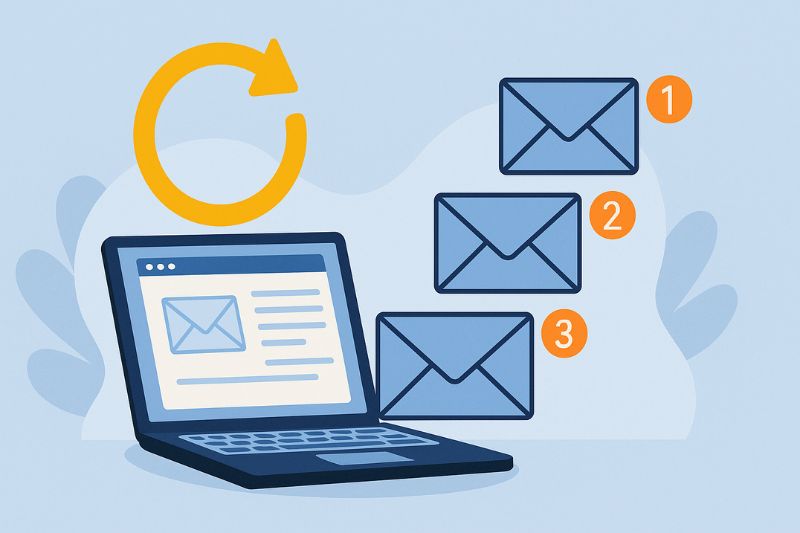
Cold email remains one of the most powerful outbound outreach methods for businesses, professionals, and entrepreneurs in 2026. In a digital landscape crowded with ads, social feeds, and automated messaging, a thoughtfully crafted cold email still cuts through the noise — provided it’s strategic, personalized, and value-driven. Unlike spam, modern cold emails are designed to initiate genuine conversation and build relationships, not just broadcast generic promotion into inboxes. This makes them ideal for lead generation, sales prospecting, partnerships, recruiting, and networking when executed with skill and care.
In this guide, you’ll discover what cold emails are, when to use them effectively, and how to leverage them in your outreach strategy so they actually generate responses. Whether you’re a sales leader, marketer, startup founder, or freelancer, understanding cold email fundamentals in 2026 is vital to expanding your reach and growing your business.
What Is a Cold Email?
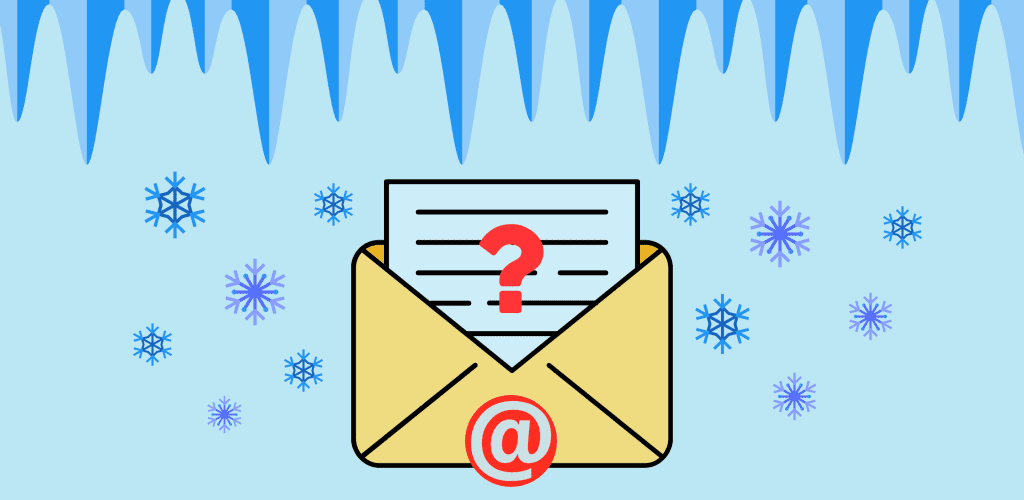
A cold email is an unsolicited email sent to someone with whom you have no prior relationship or previous contact. It’s the digital equivalent of cold calling — with one key difference: email gives your recipient the time and space to read, think, and respond on their own terms.
Unlike transactional or warm emails (which go to people who have engaged with your business before), cold emails are sent to prospects who are unfamiliar with you. The primary goal is to initiate a professional conversation — whether that’s leading to a sales conversation, introducing your services, starting a partnership, recruiting someone, or simply building a network connection.
What makes a cold email effective is not volume, but relevance and personalization. The best cold emails demonstrate that the sender has done their research, understands a specific problem the recipient might have, and offers a clear, compelling reason to engage further.
A well-crafted cold email is:
-
Targeted — sent to the right audience segment.
-
Personalized — framed around the recipient’s role, business, or needs.
-
Value-oriented — focused on how you can help, not just what you sell.
-
Clear in action — containing a simple, specific call to action.
When to Use Cold Emails

Cold emails are versatile and can be used across different scenarios, but they’re most effective when there is a strategic reason to reach someone who hasn’t engaged with you before.
Here are common situations where cold emails are the right choice:
Lead Generation and Sales Outreach
Use cold emails when you want to introduce your product or service to potential customers who fit your ideal customer profile but haven’t interacted with your brand yet. Personalized cold outreach helps you start conversations with decision-makers who can move deals forward.
Booking Meetings or Demos
Cold emails can be used to secure meetings, product demos, consultations, or discovery calls with prospects who may be open to exploring what you offer — especially if the email speaks directly to their challenges or goals.
Recruiting and Talent Outreach
Professionals and recruiters use cold emails to approach talented candidates who might not be actively seeking a new opportunity but could be intrigued by a compelling job proposition or career growth offer.
Networking and Partnerships
Cold emails are also effective for initiating connections with industry leaders, potential collaborators, influencers, or media contacts when you want to extend your professional network or explore joint opportunities.
Re-engaging Dormant Leads
Occasionally, “cold leads” — people who once interacted with your business but have since gone silent — can be reawakened through a respectful cold email that re-introduces your value or offers something new.
How to Write Successful Cold Emails
Writing a successful cold email in 2026 is no longer about clever tricks or sending emails at scale. It’s about relevance, clarity, and value. Inbox providers are smarter, recipients are more selective, and only emails that feel genuinely helpful earn replies. Below is a step-by-step breakdown of how to write cold emails that actually work today.
Start With Clear Research and Intent
Every successful cold email begins before you write a single word. You need to understand who you’re emailing and why they should care. Research the prospect’s role, company, industry challenges, recent activity, or goals. Your intent should be clear: are you trying to book a call, introduce a solution, propose a partnership, or start a conversation? When your intent is focused, your message becomes sharper and more persuasive.
Write a Subject Line That Earns the Open
Your subject line has one job: make the recipient curious enough to open the email. In 2026, short and specific subject lines outperform clever or salesy ones. Avoid clickbait, emojis, or aggressive language. Instead, hint at relevance or value, such as referencing their role, company goal, or a specific outcome. A good subject line feels personal and natural — not promotional.
Personalize Beyond the First Name
Modern cold emails require contextual personalization, not surface-level customization. Mention something relevant to the recipient: a recent company update, a challenge common to their role, or a result you’ve helped similar companies achieve. The goal is to show that this email was written for them, not copied and pasted to hundreds of people.
Open With Relevance, Not an Introduction
Skip long self-introductions. The opening line should immediately signal why you’re reaching out and why it matters to the recipient. Successful cold emails often begin with an observation, insight, or question related to the prospect’s business. When the first line feels relevant, the reader is far more likely to continue.
Focus on Their Problem, Not Your Product
One of the biggest mistakes in cold emailing is talking too much about features, tools, or company achievements. Instead, center your message around the problem or opportunity your prospect cares about. Position your product or service as a solution — briefly and clearly — without overwhelming them with details.
Keep the Email Short and Scannable
Attention spans are limited. A strong cold email is concise, usually between 80–150 words. Use short paragraphs, simple language, and a logical flow. Every sentence should earn its place. If the email feels easy to read, it feels easy to reply to.
Include a Clear, Low-Pressure Call to Action
Your call to action (CTA) should be simple and non-intimidating. Instead of pushing for a sale, invite a small next step — such as a quick reply, a short call, or confirmation of interest. Questions often work better than commands. The easier it feels to respond, the higher your reply rate will be.
Sound Human, Not Automated
Even when using automation or AI tools, your cold email should sound like it was written by a real person. Avoid overly polished marketing language, buzzwords, or formal tone. Write the way you’d speak in a professional one-to-one conversation. Emails that sound human build trust faster.
Always Follow Up Strategically
Many successful cold email campaigns don’t get responses from the first email alone. Thoughtful follow-ups — spaced out and value-driven — significantly increase reply rates. Each follow-up should add context, clarity, or a new angle, not just ask “Did you see this?”
When cold emails are written with intent, relevance, and respect for the recipient’s time, they stop feeling like interruptions and start feeling like opportunities. This approach is what separates high-performing cold email strategies from those that fail in 2026.
7 Best Cold Email Strategies That Are Sure Shot to Work in 2026

Cold emailing in 2026 is no longer about sending more emails—it’s about sending better ones. Inbox algorithms are smarter, buyers are more skeptical, and generic outreach gets ignored instantly. The strategies below reflect how modern decision-makers actually respond today. When combined, they form a sustainable, high-performing cold email system built for long-term results.
Hyper-Personalized Cold Emails (Using AI Where It Helps)
Hyper-personalization is the foundation of successful cold emailing in 2026. Basic personalization like first name or company name is no longer enough. Prospects expect emails that clearly show you understand their role, challenges, and business context.
Modern personalization focuses on relevance, not just customization. This includes referencing:
-
The prospect’s job responsibilities or KPIs
-
Recent company updates or growth signals
-
Industry-specific challenges
-
Tools or processes they are likely using
AI plays a supporting role here—not as a replacement for thinking, but as a research and efficiency layer. AI can help summarize company data, analyze job roles, identify intent signals, and suggest tailored messaging angles. However, the final message must still sound human and intentional.
The best-performing cold emails in 2026 feel like they were written after a few minutes of thoughtful research—not generated in bulk. AI helps scale insight, but relevance wins responses.
Personalized Video Outreach (Going One Step Further Than Text)
Text-based emails still work, but personalized video outreach has become a powerful differentiator. When done right, short personalized videos can dramatically increase engagement, especially in competitive industries.
A personalized video doesn’t need to be polished or cinematic. In fact, informal and authentic videos perform better. A 30–60 second video mentioning the prospect’s name, company, or use case creates instant human connection.
Video works because it:
-
Builds trust faster than text
-
Humanizes your outreach
-
Reduces skepticism
-
Stands out visually in crowded inboxes
The key is moderation. Not every prospect needs a video, and videos should never replace strong copy. Instead, they should complement your cold email—used for high-value leads, follow-ups, or strategic accounts.
Use a Strategic Blend of Cold Emails with Multi-Channel Outreach
Cold email performs best when it’s part of a multi-channel outreach strategy. Relying on a single channel limits visibility and response opportunities.
A modern outreach strategy blends:
-
Cold emails
-
Professional social platforms
-
Content touchpoints
-
Occasional direct messaging
The goal is not to overwhelm prospects, but to create familiarity across channels. When someone sees your name in multiple relevant contexts, trust builds faster.
For example:
-
Start with a cold email
-
Follow with a social profile view or connection
-
Share or engage with relevant content
-
Send a thoughtful follow-up email
Cold email remains the backbone because it allows structured, scalable, and measurable communication. Other channels simply reinforce the message.
Automate Cold Emailing with an AI-Assisted Outreach Platform
Automation is essential—but only when used intelligently. In 2026, automation without personalization leads to poor deliverability and low response rates.
AI-assisted outreach platforms help by:
-
Managing sending schedules
-
Automating follow-ups
-
Monitoring engagement signals
-
Optimizing send timing
-
Protecting deliverability
The mistake many teams make is automating everything. Successful teams automate the process, not the message.
AI should help:
-
Decide when to send
-
Determine who to follow up with
-
Suggest how to improve performance
But message quality, tone, and value must remain intentional. Automation should feel invisible to the recipient.
When used correctly, AI-assisted automation allows teams to scale personalized outreach without losing the human element.
Add Social Proof in Your Cold Emails
Social proof reduces uncertainty. In cold outreach, it answers the unspoken question: “Why should I trust you?”
In 2026, social proof doesn’t mean long testimonials or big logos. Subtle, relevant credibility signals work best.
Effective forms of social proof include:
-
Mentioning similar companies or roles you’ve worked with
-
Highlighting specific outcomes or improvements
-
Referencing industry-relevant use cases
-
Showing traction without exaggeration
Social proof should feel natural—not promotional. It should support your message, not dominate it.
A single line demonstrating relevance and credibility often performs better than paragraphs of claims. The goal is reassurance, not persuasion.
Micro-Segmentation of Your Lead Lists
Mass outreach is ineffective in 2026. Micro-segmentation is now a requirement for cold email success.
Instead of broad segments like “SaaS companies” or “marketing managers,” modern segmentation focuses on:
-
Company size and growth stage
-
Specific job responsibilities
-
Industry sub-niches
-
Technology usage
-
Buying intent signals
Micro-segmentation allows you to:
-
Write more relevant messages
-
Address specific pain points
-
Improve deliverability
-
Increase response rates
Each segment should feel like its own audience. When prospects read your email and think, “This is exactly about me,” replies follow naturally.
Your Email Shouldn’t Sound Like an Email, It Should Sound Like an Offer
One of the biggest shifts in cold emailing is tone. The best cold emails no longer sound like emails—they sound like offers.
Traditional cold emails often feel formal, scripted, or corporate. Modern emails feel conversational, confident, and clear about value.
An effective cold email offer:
-
Clearly states what’s in it for the recipient
-
Focuses on outcomes, not features
-
Feels optional, not forced
-
Invites conversation, not commitment
Instead of asking for time, offer insight. Instead of pitching, propose a possibility. When your email feels like an opportunity rather than a request, resistance drops.
Cold email is far from dead—but outdated approaches are. What works today is a combination of personalization, relevance, smart automation, and respect for the recipient’s time.
When you apply these seven strategies together, cold emailing becomes:
-
More human
-
More strategic
-
More scalable
-
More effective
The future of cold email belongs to those who treat it as a conversation starter—not a numbers game.
What Has Changed in Cold Emailing in 2026?
Cold emailing in 2026 still works — but how it works has shifted dramatically compared to just a few years ago. The inbox landscape, buyer expectations, and technology evolution all demand smarter, more human-centric outreach if you want results. Here’s an up-to-date breakdown of what’s changed and why old tactics often fail today.
✨ 1. Personalization Has Become Deeply Contextual
In earlier years, inserting a recipient’s first name or company in an email was enough to stand out. In 2026, that’s baseline — and often ineffective. Prospects now expect emails that reflect real understanding of their role, goals, challenges, or recent business activity. This means truly researching:
-
recent launches or funding
-
industry trends specific to their business
-
role-specific pain points or successes
Cold emails that demonstrate this level of relevance outperform basic personalization by a wide margin because they signal respect for the recipient’s time and attention.
📬 2. Deliverability Rules Are Stricter — Quality Over Volume
Inboxes are smarter and more protective than ever. Spam filters don’t just scan keywords; they analyze sending behavior, engagement patterns (like replies), domain reputation, and authentication. In 2026, a high volume of email alone doesn’t guarantee success — and bad sending practices now harm future deliverability.
Modern deliverability priorities include:
-
warming domains gradually before campaigns
-
sending at consistent, human-like rates
-
minimizing bounce rates with verified, clean lists
-
proper SPF, DKIM, and DMARC setups
This shift has rendered “spray and pray” tactics obsolete. Sending less, but with better targeting and engagement, drives both inbox placement and replies.
🔁 3. Follow-Ups and Engagement Signals Drive Success
Today’s cold email success isn’t a single email event — it’s a sequence. Follow-ups that add value, clarify context, or present a different angle significantly increase reply rates. Buyers often need multiple touchpoints before they engage, and email systems increasingly reward engagement signals (like opens, reply depth, and interactions) over simple opens.
🧠 4. AI Is Everywhere — But It’s Only Helpful When Used Right
AI adoption skyrocketed across cold outreach. Tools now automate lead research, help with send timing, and assist in structuring messages. However, because everyone is using AI, prospects can easily identify generic or AI-generated copy. For 2026, AI’s true value is not in replacing human insight — it’s in supporting personalization that still sounds human and contextual.
📈 5. Buyer Expectations Evolved
Inboxes are crowded. Decision-makers now scan emails in seconds, and their attention goes to messages that:
-
show genuine relevance immediately
-
offer value up front
-
feel conversational and human
Lengthy, buzzword-heavy, or generic emails get ignored — even if technically “personalized.”
📊 6. Engagement Metrics, Not Just Opens, Dictate Performance
Where open rates used to be a core metric, in 2026 engagement, replies, clicks, and conversions matter far more. Email systems increasingly evaluate these richer signals for inbox placement decisions. Sending with the sole goal of maximizing opens no longer protects future deliverability or long-term campaign health.
Replace Your Old Cold Email Playbook With Teno Mail Today
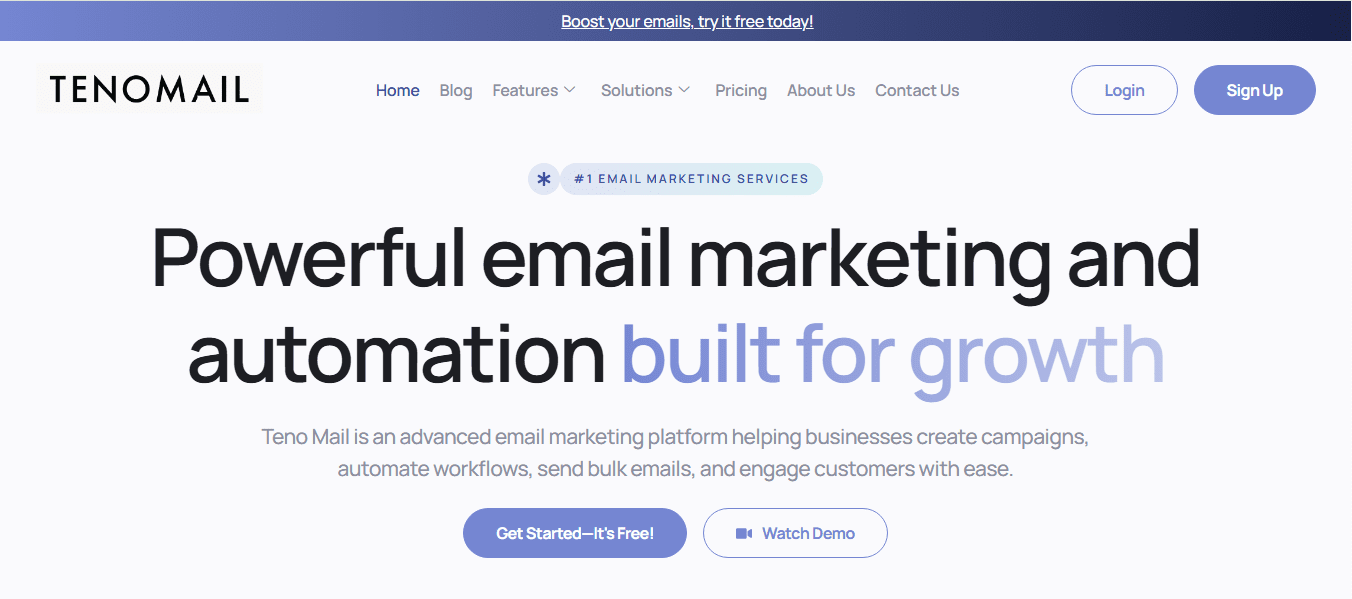
If your current outreach playbook relies on outdated automation tools, template blasting, or minimal personalization, it’s time to upgrade to a modern platform that supports the demands of cold outreach in 2026 — and that’s where Teno Mail comes in.
🚀 What Teno Mail Can Do for Your Outreach
Teno Mail is a comprehensive email marketing and automation platform designed to help businesses run smarter, more effective email campaigns — including cold outreach — without the usual headaches.
Here’s how Teno Mail helps you modernize your outreach:
📧 1. Powerful Campaign Creation & Personalization
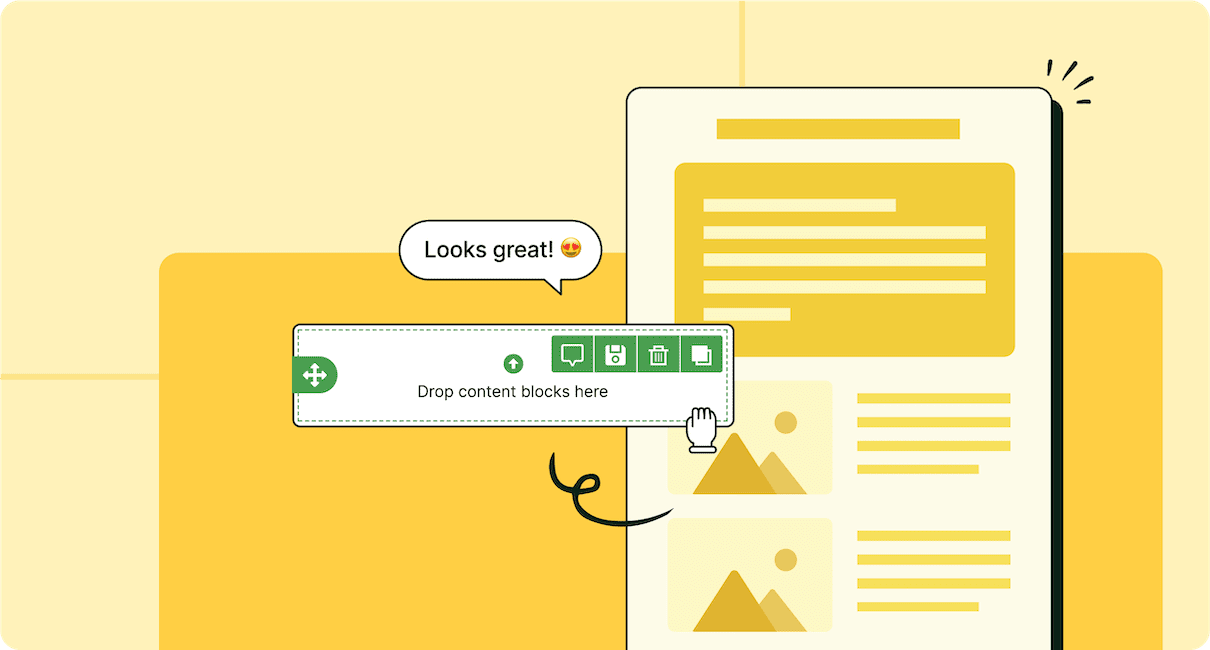
Build targeted email campaigns with a drag-and-drop editor and reusable templates that make it easy to craft messages that resonate with specific audiences.
🔄 2. Advanced Email Automation
Automate workflows so the right message goes to the right people at the right time—whether nurturing leads or sending thoughtful follow-ups. Trigger-based messaging ensures your emails are contextual and timely.
📋 3. Bulk Email Sending With Optimized Delivery
Send high-volume outreach with a reliable system built for performance and inbox placement. Teno Mail also integrates seamlessly with SMTP services so your emails are delivered reliably and consistently.
📊 4. Real-Time Analytics & Reports
Track campaign performance with actionable insights — opens, clicks, and engagement metrics — so you can iterate and improve your outreach strategy over time.
📥 5. Lead List Management & Segmentation
Import, clean, and segment your contact lists easily. Better segmentation means more relevant personalization, higher engagement, and better deliverability.
🔗 6. Flexible Integrations
Connect your CRM, lead systems, analytics tools, and APIs to unify your workflow. Teno Mail makes syncing customer data and automating campaigns across platforms simple and efficient.
🎯 Ready to Modernize Your Cold Email Outreach?
Stop relying on old tools and tactics that hurt deliverability and waste effort.
With Teno Mail, you get powerful automation, smart segmentation, analytics, and delivery control — all designed for today’s cold email landscape.
👉 Sign up now and start sending smarter cold emails with better targeting and engagement!
FAQs About Cold Emailing
1. Does cold email still work in 2026?
Yes, cold email absolutely still works in 2026 — but only when done correctly. What no longer works is mass, generic outreach sent without context or personalization. Modern cold email succeeds because it allows direct, one-to-one communication with decision-makers in a scalable way. When emails are relevant, personalized, and value-driven, they continue to generate replies, meetings, and revenue across industries. Cold email remains especially effective for B2B sales, partnerships, recruiting, and professional networking.
2. What is the best cold email strategy in 2026?
The best cold email strategy in 2026 is a quality-first, personalization-driven approach. This includes:
-
Deep research and hyper-personalization
-
Micro-segmented lead lists
-
Short, conversational emails focused on the recipient’s problem
-
Clear but low-pressure calls to action
-
Thoughtful follow-up sequences
Rather than sending more emails, successful teams focus on sending better emails that start conversations instead of pushing pitches.
3. Is cold emailing still legal in 2026?
Yes, cold emailing is legal in 2026 in most regions, provided you follow applicable regulations. Laws generally require that cold emails:
-
Are sent for legitimate business purposes
-
Clearly identify the sender
-
Include a way to opt out or unsubscribe
-
Avoid misleading subject lines or false claims
Compliance varies by country and region, so businesses should always follow local email and data protection regulations. Ethical, transparent outreach is both legal and more effective long term.
4. How important is email deliverability for cold outreach?
Email deliverability is critical for cold outreach success. Even the best-written email fails if it never reaches the inbox. In 2026, inbox providers evaluate sender reputation, engagement signals, bounce rates, and authentication settings before deciding where emails land. Poor deliverability can damage your domain and reduce future campaign performance. Protecting deliverability through clean lists, proper setup, consistent sending, and engagement-focused campaigns is non-negotiable.
5. How many follow-ups should I send in cold email?
In 2026, most successful cold email campaigns include 3 to 5 follow-ups, spaced thoughtfully over time. Many replies come from follow-ups, not the first email. Each follow-up should add value — such as a new insight, clarification, or angle — rather than simply asking if the recipient saw the previous message. Well-crafted follow-ups increase response rates without annoying prospects.
6. Does personalization improve cold email response rates?
Yes, personalization significantly improves cold email response rates. Emails that demonstrate real understanding of the recipient’s role, challenges, or business context are far more likely to be opened and replied to. In 2026, personalization goes beyond names and companies — it’s about relevance, timing, and value. Prospects respond when emails feel written for them, not sent to everyone.
7. Should I use AI for cold email outreach?
AI is highly useful for cold email outreach in 2026 — when used correctly. AI can assist with research, segmentation, performance analysis, and workflow automation. However, AI should support human strategy, not replace it. Over-reliance on AI-generated copy often leads to generic messages that prospects can easily spot. The best results come from combining AI efficiency with human judgment and personalization.
8. Is cold email better than LinkedIn or cold calling?
Cold email isn’t better or worse — it’s different, and often complementary. Compared to cold calling, email is less intrusive and more scalable. Compared to LinkedIn outreach, email allows longer, more structured messages and easier follow-up automation. In 2026, the strongest outbound strategies combine cold email with other channels to build familiarity and trust. Cold email remains the backbone because of its reach, flexibility, and measurability.
Read More: 5 Tips to Overcome Email Send Anxiety