Email marketing remains one of the most powerful digital marketing channels for businesses. It allows companies to communicate directly with customers, promote products, share updates, and build long-term relationships. However, the success of email marketing depends heavily on the quality of the subscriber list. If your list contains invalid addresses, inactive users, or outdated contacts, your campaigns will struggle to reach the inbox and generate engagement.
Over time, email databases naturally decline in quality. People change jobs, abandon old email accounts, or stop interacting with certain brands. Because of this natural decay, a portion of any email list becomes outdated each year. Some studies estimate that email lists can lose around 20–30% of their valid contacts annually due to changes in user behavior and contact information.
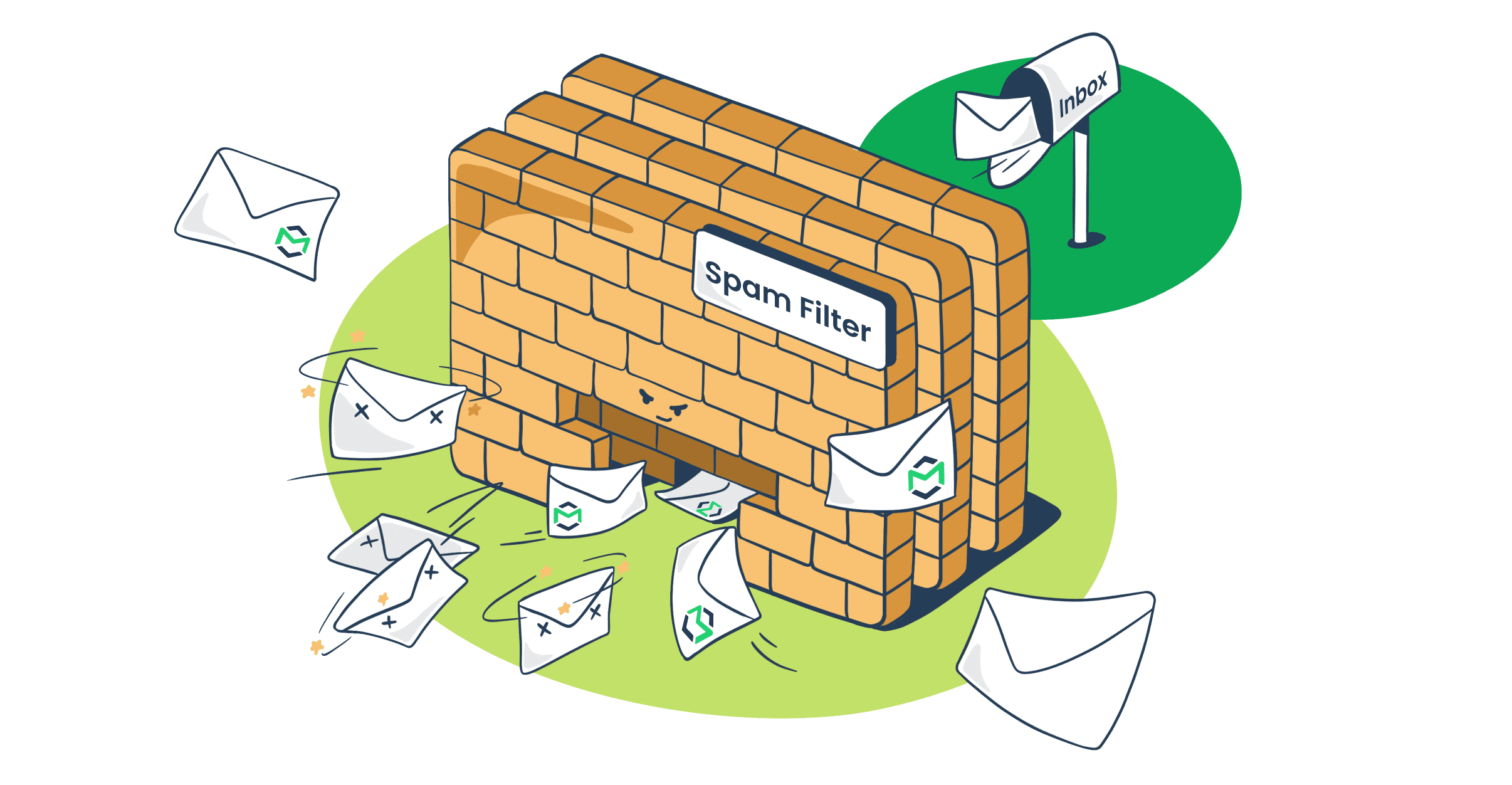
When businesses continue sending campaigns to these inactive or invalid contacts, it can damage email deliverability. High bounce rates, spam complaints, and low engagement signals tell email providers that your messages may not be valuable to recipients. As a result, emails may land in spam folders instead of the inbox.
This is where email list cleaning becomes essential. By regularly maintaining and refining your subscriber list, you ensure that your emails reach real people who want to hear from you. A well-maintained list improves engagement, protects sender reputation, and provides more accurate marketing insights. In modern email marketing strategies, list cleaning is no longer optional—it is a fundamental practice for maintaining strong deliverability and campaign performance.
What is email list cleaning?
Email list cleaning is the process of reviewing and removing low-quality contacts from an email subscriber list. This typically includes deleting invalid email addresses, removing hard bounces, filtering duplicate contacts, and identifying inactive subscribers who no longer engage with your emails.
In simple terms, email list cleaning ensures that your campaigns are sent only to real and active recipients. Instead of focusing on a large number of subscribers, the goal is to maintain a list of people who are genuinely interested in your content.
Several types of contacts are commonly removed during the cleaning process. One example is invalid email addresses. These addresses may contain spelling mistakes, outdated domains, or accounts that no longer exist. When emails are sent to these addresses, they bounce back, which negatively affects deliverability.
Another category is inactive subscribers. These are contacts who have not opened or clicked your emails for a long period. While they may still have valid email addresses, their lack of engagement can signal to email providers that your messages are not valuable.
Spam traps are another risk associated with poor list maintenance. These are email addresses used by mailbox providers or anti-spam organizations to identify senders who follow poor list practices. Sending emails to these addresses can damage your sender reputation and cause future emails to be blocked or filtered into spam folders.
Email list cleaning also includes identifying duplicate records, removing role-based emails such as “info@” or “support@,” and honoring unsubscribe requests. Each of these steps helps maintain a healthier database and prevents unnecessary sending to low-value contacts.
It is important to understand that email list cleaning is not a one-time task. Instead, it is an ongoing process that should be integrated into your email marketing strategy. Regular cleaning keeps your list accurate, engaged, and aligned with modern deliverability standards.
Ultimately, a smaller list of highly engaged subscribers often performs far better than a large list filled with inactive or invalid contacts. By maintaining a clean and active database, businesses can improve campaign performance, gain clearer marketing insights, and build stronger relationships with their audience.
The Role of Email List Hygiene
Email list hygiene refers to the regular process of maintaining a clean, accurate, and active subscriber database. Over time, email lists naturally accumulate outdated contacts, inactive users, and invalid email addresses. Without proper maintenance, these contacts can negatively affect email marketing performance.
Maintaining good email list hygiene helps ensure that marketing campaigns reach real users who are interested in the content. It also protects sender reputation and supports long-term deliverability. Modern email providers analyze multiple signals—such as engagement rates, bounce rates, and spam complaints—to determine whether a sender is trustworthy. A well-maintained list improves these signals and increases the chances that emails reach the inbox.
Below are several important ways in which proper email list hygiene supports successful email marketing.
Better Deliverability
Deliverability refers to the ability of your emails to reach recipients’ inboxes rather than spam folders. Email providers evaluate sender behavior to determine whether messages should be delivered, filtered, or blocked.
If an email list contains invalid addresses or inactive subscribers, several negative signals may occur. Emails sent to invalid addresses result in high bounce rates. Messages sent to uninterested recipients often go unopened, which lowers engagement rates. In some cases, recipients may mark emails as spam.
When these signals accumulate, mailbox providers may start treating the sender as unreliable. This can lead to emails being filtered into spam folders or blocked entirely.
Regular list hygiene improves deliverability by removing problematic contacts. When campaigns are sent only to active and valid subscribers, engagement metrics improve and bounce rates decrease. As a result, email providers gain confidence in the sender, which helps messages reach the inbox more consistently.
Stronger Engagement Rates
Engagement is one of the most important performance indicators in email marketing. Metrics such as open rates, click-through rates, and conversions show how recipients interact with email content.
Inactive subscribers reduce overall engagement rates because they rarely open or click messages. Even if they remain on the list, they contribute little value to marketing campaigns.
Email list hygiene helps solve this problem by identifying and managing inactive contacts. Instead of continuing to send messages to people who never interact with emails, marketers can remove or suppress them after a certain period of inactivity.
When a list contains mostly engaged users, the percentage of opens and clicks increases. This provides a more accurate representation of how well campaigns perform. Higher engagement also strengthens sender reputation with mailbox providers, which further improves inbox placement.
Reduced Costs
Many email marketing platforms charge based on the number of subscribers stored in a mailing list or the volume of emails sent. If a list contains thousands of inactive or invalid contacts, businesses may be paying to store and send messages to users who provide no marketing value.
Email list hygiene reduces these unnecessary costs. By removing invalid addresses and disengaged subscribers, organizations can maintain a leaner and more efficient database.
This also helps optimize campaign resources. Instead of sending messages to a large group of uninterested contacts, marketing teams can focus on communicating with subscribers who are more likely to respond.
In the long run, a smaller but highly engaged email list often delivers better marketing results while reducing operational expenses.
Fewer Spam Complaints
Spam complaints occur when recipients mark an email as unwanted or irrelevant. Even a small number of complaints can harm a sender’s reputation and cause future emails to be filtered into spam folders.
Poor list hygiene increases the likelihood of spam complaints. This often happens when marketers send emails to outdated contacts or people who no longer remember subscribing to the list.
Regular list cleaning reduces this risk by removing inactive subscribers and ensuring that emails are sent only to users who still want to receive them. When recipients expect and value the messages they receive, they are far less likely to mark them as spam.
Lower complaint rates help maintain a strong sender reputation and ensure long-term email deliverability.
Better Insights and Reporting
Accurate analytics are essential for improving email marketing strategies. Marketers rely on performance metrics to understand how audiences respond to campaigns.
However, a list filled with inactive or invalid contacts can distort these metrics. For example, if thousands of subscribers never open emails, the open rate may appear lower than it actually is among engaged users.
Maintaining good list hygiene provides cleaner and more reliable data. When campaigns are sent primarily to active subscribers, engagement metrics reflect genuine audience behavior.
This allows marketing teams to evaluate subject lines, content strategies, and campaign timing more accurately. With reliable insights, businesses can make smarter decisions and continuously improve their email marketing performance.
Easier Compliance
Email marketing regulations in many regions require businesses to follow strict rules when collecting and using personal data. Laws such as privacy and data protection regulations emphasize transparency, consent, and responsible data management.
Maintaining a clean email list supports compliance with these regulations. When marketers regularly remove inactive contacts, honor unsubscribe requests, and avoid sending messages to outdated or unauthorized addresses, they demonstrate responsible data practices.
Proper list hygiene also helps ensure that companies communicate only with subscribers who have granted permission. This reduces legal risks and builds trust with customers.
How to Clean Your Email List
Cleaning an email list requires a structured approach. Rather than removing contacts randomly, marketers should follow a strategic process that identifies inactive users, protects engaged subscribers, and improves overall list quality.
The following methods are commonly used to maintain a healthy email database.
Segment Your Audience by Activity Level
One of the most effective ways to manage list hygiene is by segmenting subscribers based on their activity levels. Instead of treating the entire list the same way, marketers can group users according to their engagement behavior.
For example, subscribers may be categorized into groups such as highly active, moderately active, and inactive users. Activity signals may include email opens, clicks, purchases, or website visits.
Active subscribers typically open and interact with emails regularly. These users are highly valuable because they demonstrate clear interest in the brand’s content.
Moderately active subscribers may open emails occasionally but do not interact frequently. These users may still be interested but require more relevant or targeted messaging.
Inactive subscribers are those who have not opened or clicked emails for a long period of time. They may have lost interest, changed email addresses, or simply ignored previous campaigns.
By segmenting users based on activity levels, marketers can apply different strategies to each group. Highly engaged subscribers can continue receiving regular campaigns, while inactive users may receive re-engagement messages before removal.
Run a Re-Engagement Campaign
Before permanently removing inactive subscribers, many marketers attempt to reconnect with them through re-engagement campaigns. These campaigns aim to determine whether the subscriber still wants to receive emails.
A re-engagement campaign typically includes a series of targeted emails that ask subscribers to confirm their interest. These messages may highlight new content, offer incentives, or simply ask users if they still want to stay subscribed.
For example, a brand may send an email asking inactive users whether they would like to continue receiving updates. If subscribers interact with the email—such as clicking a confirmation button—they can remain on the list.
Subscribers who ignore multiple re-engagement messages may be considered inactive and removed from future campaigns.
Re-engagement campaigns serve two important purposes. First, they give inactive subscribers an opportunity to reconnect with the brand. Second, they help identify contacts who are no longer interested.
Here’s a great example from Captions Pro; they re-engaged inactive users by highlighting new features and offering a 1-week free trial of their premium plan.

This approach ensures that valuable subscribers are not removed too quickly while still improving overall list quality.
Remove Hard Bounces and Invalid Emails
Hard bounces occur when an email cannot be delivered because the address is invalid or no longer exists. This may happen when users abandon old email accounts or when addresses contain typing errors.
Continuing to send emails to hard-bounced addresses can harm sender reputation and increase bounce rates. Email providers monitor bounce activity and may restrict senders who repeatedly target invalid addresses.
For this reason, hard bounces should be removed from the mailing list immediately. Most email marketing platforms automatically identify and suppress these addresses after a failed delivery attempt.
Invalid email addresses may also appear in lists that were imported from outdated databases or collected without proper verification. These contacts should be removed to prevent unnecessary delivery failures.
Removing hard bounces and invalid emails ensures that campaigns are sent only to deliverable addresses, which improves overall email performance.
Implement Double Opt-In
Double opt-in is a subscription process that requires users to confirm their email address before being added to a mailing list. After submitting their email, the user receives a confirmation message with a link or button that verifies their intent to subscribe.
This process helps ensure that the email address belongs to a real person and that the subscriber genuinely wants to receive messages.
Double opt-in provides several advantages for email list hygiene. It prevents fake or mistyped email addresses from entering the database. It also reduces the risk of spam complaints because subscribers actively confirm their interest.
Although double opt-in may slightly reduce the number of subscribers added to a list, it significantly improves overall list quality. The contacts who complete the confirmation process are usually more engaged and interested in receiving future emails.
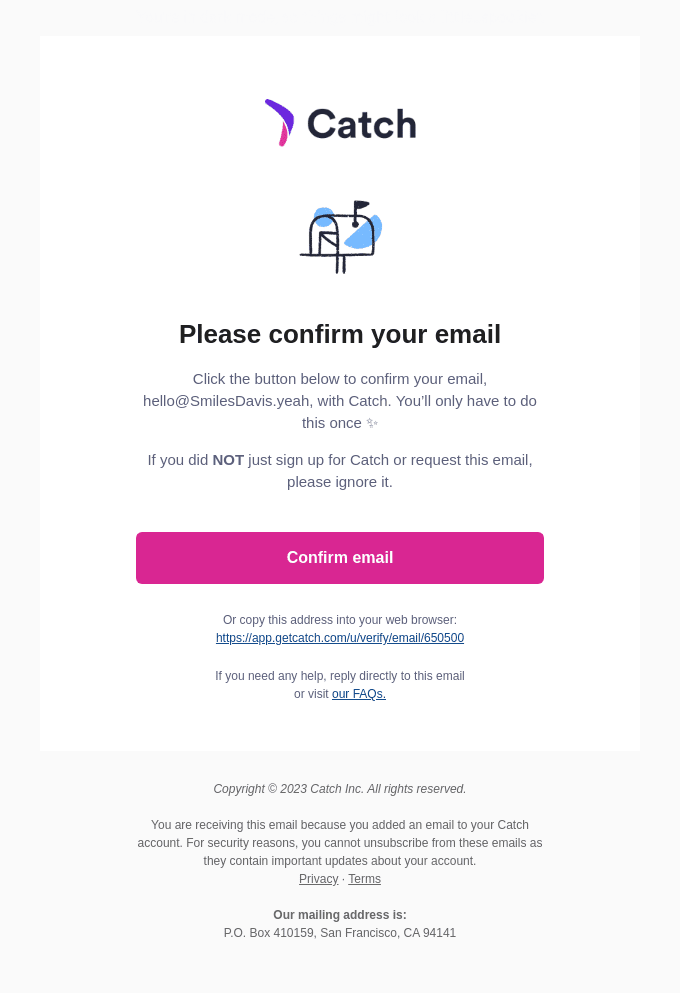
Here’s a great example from Catch, where they use a clean and simple double opt-in email.
Tag Subscribers Based on Source
Understanding where subscribers come from is an important part of maintaining a clean email list. Different signup sources may attract users with varying levels of interest.
For example, subscribers may join a mailing list through website forms, downloadable resources, product purchases, or event registrations. Some sources may produce highly engaged subscribers, while others may attract users who rarely interact with emails.
By tagging subscribers based on their signup source, marketers can monitor the quality of different acquisition channels. If a particular source consistently generates inactive or low-quality contacts, the signup strategy can be adjusted.
Source tagging also helps marketers create more relevant campaigns. For example, subscribers who joined through a product download may receive different content than those who subscribed to receive blog updates.
This level of organization improves targeting and supports better list management over time.
Automate Your Hygiene Process
Manually cleaning an email list can become difficult as the number of subscribers grows. Automation helps maintain list hygiene without requiring constant manual effort.
Most modern email marketing platforms offer built-in automation tools that identify inactive subscribers, suppress bounced addresses, and track engagement metrics. Marketers can create automated rules that remove or segment contacts based on specific conditions.
For example, an automated workflow may detect subscribers who have not opened emails for six months. These users can automatically enter a re-engagement campaign. If they remain inactive after several messages, they can be moved to a suppression list or removed from the database.
Automation ensures that list hygiene becomes an ongoing process rather than an occasional task. It also reduces the risk of human error and helps maintain consistent list quality over time.
How Often Should You Clean Your Email List?
Email lists naturally lose accuracy over time. People change jobs, abandon email accounts, switch providers, or simply stop interacting with certain brands. Because of this natural decay, an email list cannot remain healthy without regular maintenance. Cleaning your list consistently is essential for maintaining strong deliverability and reliable campaign performance.
There is no single schedule that works for every business. The frequency of list cleaning usually depends on factors such as email sending volume, subscriber growth rate, and engagement levels. However, many marketing experts recommend reviewing and cleaning email lists at least every three to six months. Organizations that send emails frequently or collect a large number of new subscribers may need to perform list hygiene more often.
For companies that run weekly or daily campaigns, monitoring list quality should be an ongoing process. Invalid addresses, hard bounces, and unsubscribe requests should be handled immediately after each campaign. Most modern email marketing platforms automatically detect these issues and remove or suppress problematic contacts.
Engagement-based cleaning should also occur regularly. Subscribers who have not opened or interacted with emails for several months may need to be placed into an inactivity segment. From there, marketers can run re-engagement campaigns to confirm whether these users still want to receive emails. If there is no response after multiple attempts, it is usually best to remove or suppress these contacts from future campaigns.
New subscriber lists should also be monitored carefully. When businesses grow their email database through sign-up forms, lead magnets, or event registrations, some addresses may contain typing mistakes or fake information. Early validation and verification can prevent these contacts from entering the list in the first place.
Another factor that influences cleaning frequency is sender reputation. If a company notices declining engagement rates, rising bounce rates, or increased spam complaints, it may be necessary to clean the list immediately. These signals often indicate that inactive or invalid contacts are affecting campaign performance.
Regular list cleaning also supports better marketing analytics. When inactive subscribers remain on the list for long periods, campaign metrics become less accurate. Open rates, click-through rates, and engagement levels may appear lower than they actually are among active users. Cleaning the list helps ensure that analytics reflect the behavior of real and interested subscribers.
Some organizations also adopt automated hygiene rules. For example, a subscriber who has not opened any emails in six months may automatically enter a re-engagement sequence. If they remain inactive after several messages, they may be removed or archived from the active list. Automation helps maintain list health continuously rather than relying on occasional manual cleanups.
Ultimately, list cleaning should not be treated as a one-time project. It is an ongoing process that supports long-term email marketing success. Regular maintenance helps protect sender reputation, improves engagement rates, and ensures that marketing efforts focus on subscribers who genuinely want to hear from the brand.
Email List Cleaning Software: A Snapshot
Managing email list hygiene manually can become difficult as subscriber databases grow. Businesses with thousands or even millions of contacts need reliable tools to verify email addresses, detect invalid contacts, and maintain list quality.
Email list cleaning software helps automate these tasks. These tools analyze email addresses, detect potential issues, and identify addresses that may cause deliverability problems. Many platforms also provide real-time verification, allowing marketers to validate email addresses at the moment a user signs up.
Below is a brief overview of some widely used email list cleaning tools.
ZeroBounce
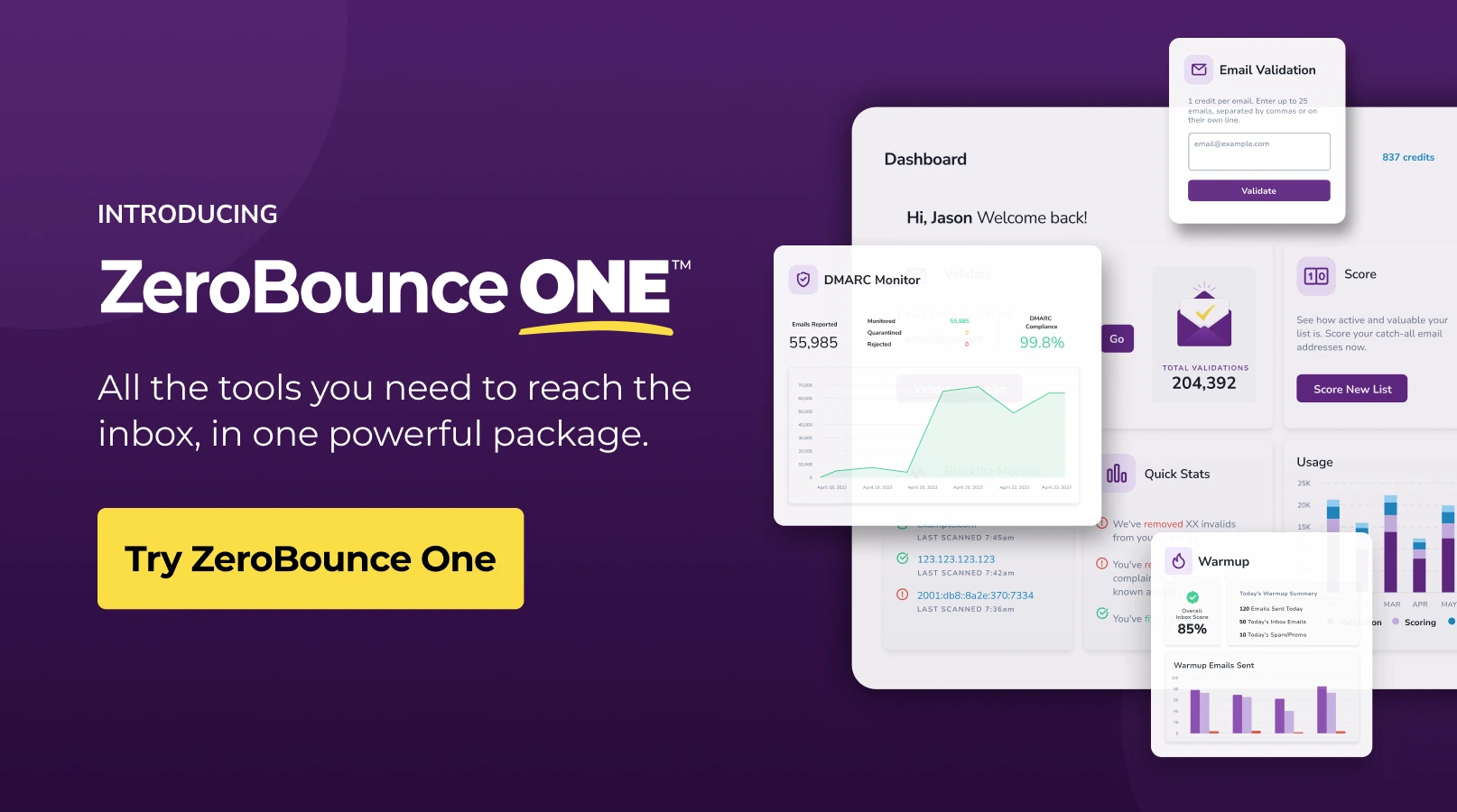
ZeroBounce is a popular email validation and deliverability tool used by many marketing teams. The platform focuses on identifying problematic email addresses before they affect campaign performance.
One of its primary functions is email verification. The tool checks whether an email address is valid, active, and capable of receiving messages. It can detect common issues such as invalid domains, temporary email addresses, and role-based emails like “admin@” or “support@.”
Another important feature is the ability to detect spam traps and risky email addresses. Spam traps are addresses used by anti-spam organizations to identify senders with poor list practices. Sending emails to these addresses can damage sender reputation. By identifying them early, the tool helps marketers avoid potential deliverability issues.
ZeroBounce also provides data enrichment features that add useful information to subscriber records. For example, the platform may identify details such as geographic location, email activity patterns, or email type. This information can help marketers better understand their audience and improve segmentation strategies.
In addition, the platform supports real-time validation through API integrations. This allows websites and signup forms to verify email addresses instantly when users subscribe. Real-time validation prevents invalid or fake addresses from entering the database in the first place.
Overall, tools like ZeroBounce help businesses maintain a clean email database while protecting sender reputation and improving campaign performance.
NeverBounce
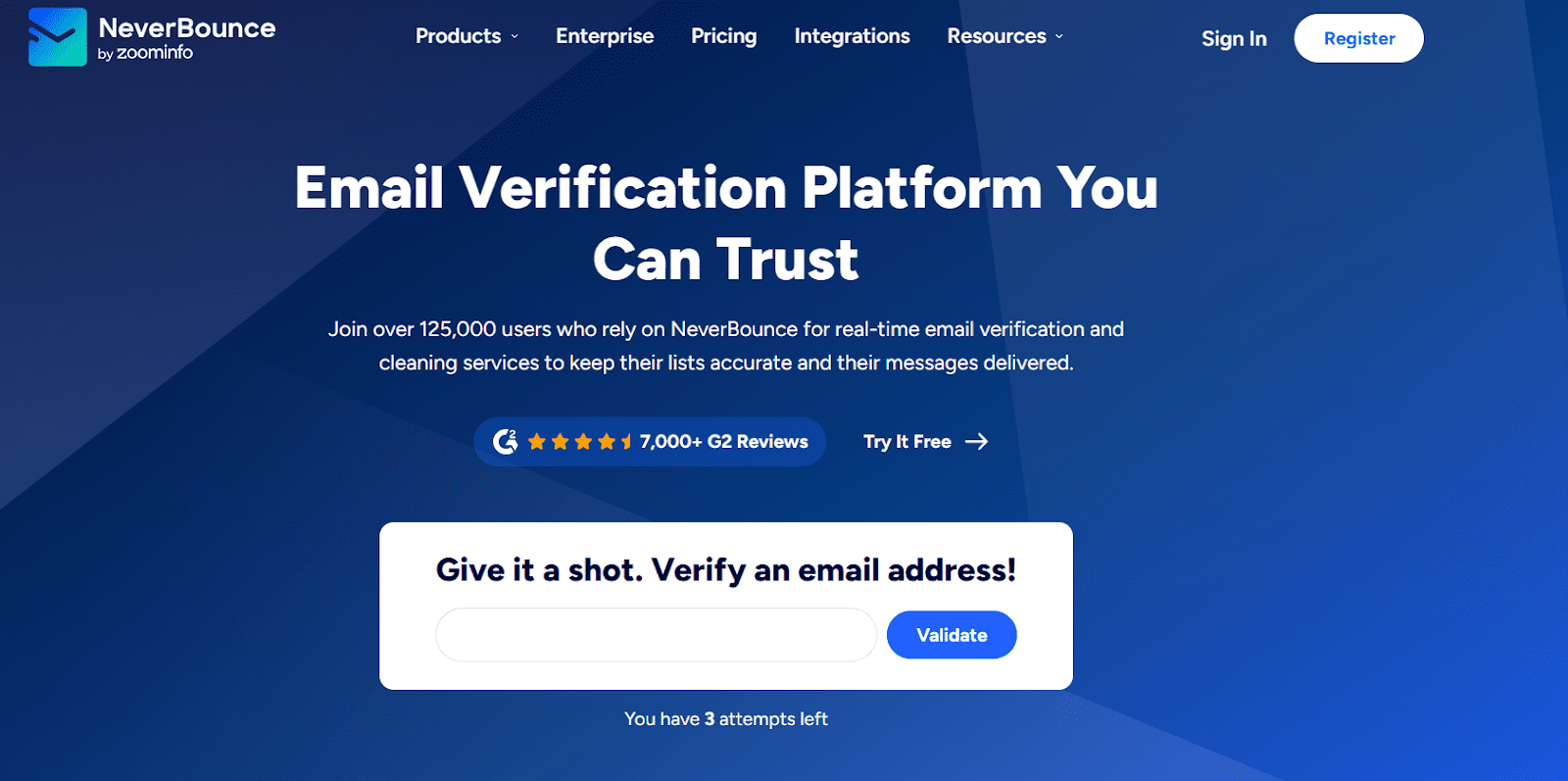
NeverBounce is another widely used email verification platform designed to help businesses maintain accurate email lists. The tool focuses on verifying large databases quickly while maintaining high accuracy.
One of its key capabilities is bulk email verification. Businesses can upload large lists of email addresses, and the platform analyzes each one to determine whether it is valid, invalid, or risky. This helps marketing teams quickly remove problematic contacts before sending campaigns.
NeverBounce also provides real-time verification services. With this feature, businesses can integrate email validation directly into their website signup forms. When a user enters an email address, the system checks its validity immediately. If the address is invalid or risky, the form can prompt the user to correct it before completing the subscription.
The platform also monitors bounce activity and list health. By identifying addresses that may cause delivery failures, the tool helps marketers maintain lower bounce rates and protect their sender reputation.
Another advantage of NeverBounce is its ability to integrate with various marketing platforms, customer relationship management systems, and email service providers. These integrations make it easier to maintain consistent list hygiene across different marketing tools.
For organizations that manage large email databases, automation and fast verification can significantly reduce the time required to maintain list quality.
Kickbox
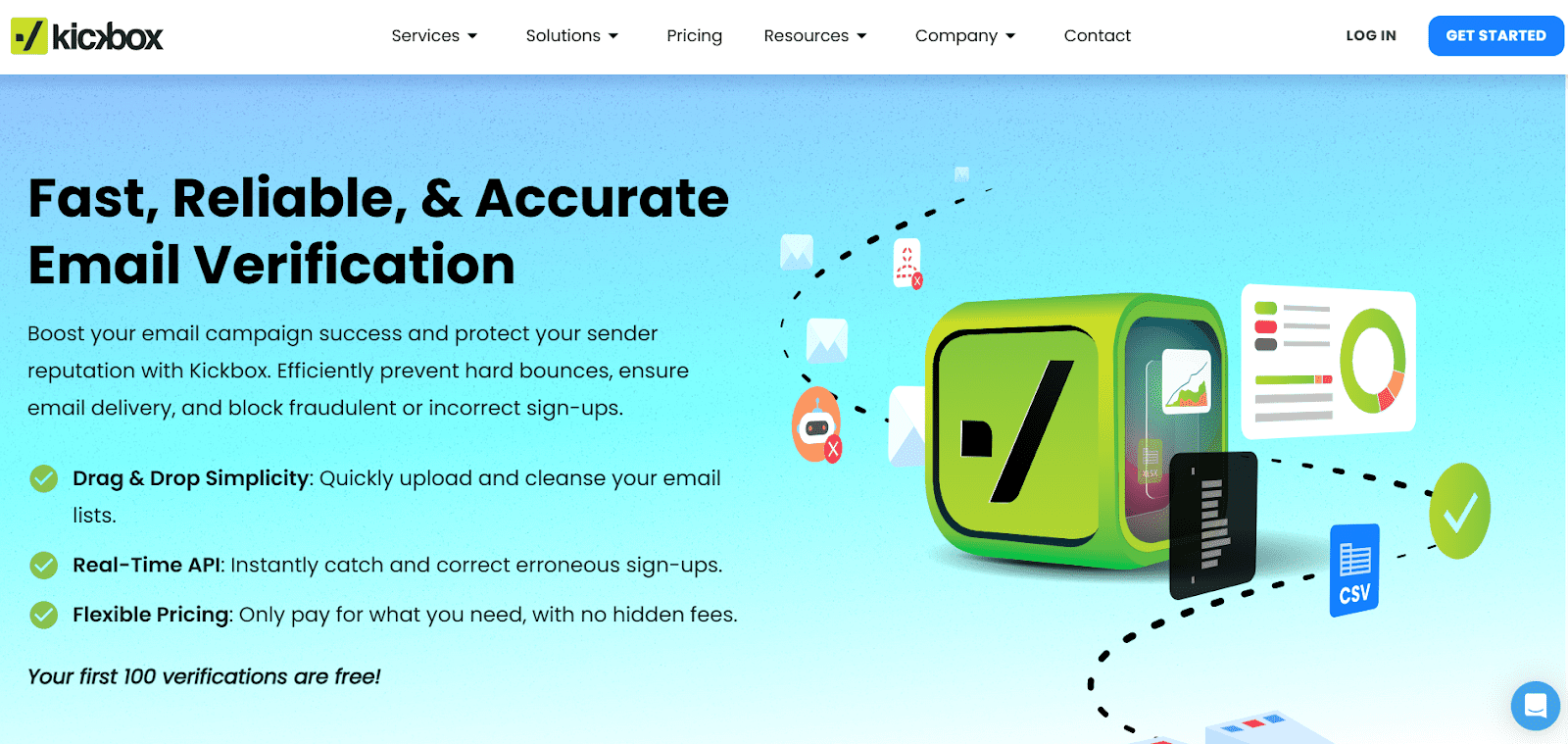
Kickbox is an email verification service designed to help businesses improve email deliverability by validating subscriber addresses. The platform focuses on identifying invalid, risky, or temporary email addresses that could harm email campaigns.
One of its main features is email address verification. Kickbox analyzes each address to determine whether it is deliverable. It checks domain information, mailbox availability, and other technical signals to confirm whether emails can be successfully delivered.
The platform also identifies disposable email addresses. These are temporary email accounts created for short-term use, often to access free content or bypass signup requirements. Because these addresses rarely belong to long-term subscribers, sending emails to them usually results in poor engagement.
Kickbox also offers real-time verification tools that can be integrated into signup forms and applications. When a user submits an email address, the system verifies it instantly. This helps prevent invalid or fake addresses from being added to the mailing list.
Another useful feature is its simple integration with many popular marketing tools and platforms. Businesses can connect Kickbox to their existing email marketing systems to maintain list hygiene automatically.
By identifying problematic addresses before emails are sent, tools like Kickbox help marketers reduce bounce rates, improve deliverability, and maintain healthier email lists.
Email List Cleaning Best Practices
Cleaning your email list is not just about removing invalid addresses. It also involves building a system that continuously keeps your subscriber database healthy. When done properly, email list hygiene protects your sender reputation, improves campaign performance, and ensures that your marketing messages reach people who truly want them.
Many businesses make the mistake of cleaning their lists only when deliverability problems appear. A better approach is to follow proven best practices that maintain list quality from the moment someone subscribes. By applying these practices consistently, marketers can prevent problems before they affect their campaigns.
Below are several important best practices that help maintain a strong and reliable email list.
Prioritize Real Engagement Signals (Not Just Email Opens)
For many years, email marketers relied heavily on open rates to measure engagement. However, open tracking is no longer always reliable. Privacy protections and email client updates can prevent accurate tracking of opens, which means the data may not fully reflect actual user behavior.
Because of this, marketers should focus on stronger engagement signals rather than relying only on open rates. These signals include actions that clearly show subscriber interest and interaction with your content.
For example, clicks on links within emails are one of the most reliable engagement indicators. When a subscriber clicks a link, it shows that they are actively interested in the message and willing to interact with the content. Other strong engagement signals include downloading resources, completing purchases, visiting a website through email links, or replying to messages.
Monitoring these actions provides a clearer picture of how subscribers interact with your campaigns. If a contact consistently ignores emails and never performs meaningful actions, they may be considered inactive even if open tracking suggests otherwise.
Prioritizing meaningful engagement signals helps marketers maintain a more accurate understanding of their audience. It also allows businesses to remove or re-engage subscribers who truly show little interest in the brand’s communications.
A/B Test Your Re-Engagement Criteria
Re-engagement campaigns are often used to reconnect with subscribers who have stopped interacting with emails. However, determining when someone should be considered inactive is not always simple.
Different businesses may define inactivity in different ways. For example, one company may consider a subscriber inactive after three months without engagement, while another may use a six-month timeframe. Instead of relying on assumptions, marketers can use A/B testing to identify the most effective criteria.
A/B testing allows marketers to compare different approaches for identifying and re-engaging inactive subscribers. For example, one group of subscribers might receive a re-engagement campaign after 90 days of inactivity, while another group receives it after 180 days.
Marketers can also test different types of re-engagement messages. One campaign may offer a special discount or incentive, while another may simply ask subscribers to confirm their interest in receiving emails. By analyzing engagement and response rates, marketers can determine which strategies work best.
Testing also helps identify how long subscribers typically remain interested before losing engagement. These insights allow marketers to refine their list cleaning process and develop more effective re-engagement strategies over time.
Stop Bad Emails at Signup With Real-Time Validation
One of the most effective ways to maintain a clean email list is to prevent bad addresses from entering the database in the first place. Many list problems begin during the subscription process when users submit incorrect or fake email addresses.
Typing mistakes are one common issue. A user may accidentally enter an incorrect domain or misspell their email address. This creates an invalid contact that will cause a bounce when emails are sent.
Some users also provide disposable email addresses or temporary accounts. These addresses are often created to access free content or promotions and may not belong to long-term subscribers.
Real-time email validation helps solve these problems by verifying addresses at the moment they are entered into a signup form. The system checks whether the email format is correct, whether the domain exists, and whether the mailbox can receive messages.
If the address appears invalid or risky, the user can be asked to correct it before completing the subscription. This simple step prevents many problematic contacts from entering the mailing list.
When combined with double opt-in confirmation, real-time validation greatly improves list quality. It ensures that only real and deliverable email addresses become part of the subscriber database.
Archive, Don’t Delete (In Certain Cases)
When cleaning an email list, the immediate reaction is often to delete inactive contacts. However, permanent deletion is not always the best solution.
In some cases, archiving inactive subscribers can be more useful than removing them entirely. Archiving means moving contacts to a separate list or database where they are no longer part of regular campaigns but still remain stored for reference.
There are several reasons why archiving can be beneficial. First, it allows marketers to keep historical data about subscribers. This information may be useful for analyzing past campaign performance or understanding long-term audience trends.
Second, some inactive users may return later. For example, a customer who stops opening emails may become interested again after a new product launch or service update. If their data is archived rather than deleted, they can be reactivated more easily.
Archiving also helps businesses maintain accurate records of consent and subscription history. In certain industries or regions, maintaining these records can support compliance with data protection regulations.
However, archived contacts should not receive regular marketing emails. They should remain suppressed from campaigns until they actively re-engage or resubscribe.
Make the Unsubscribe Link Easy to Find
Many marketers worry that making the unsubscribe link visible will increase the number of subscribers who leave the list. As a result, some businesses hide the link or make it difficult to locate within the email.
In reality, making the unsubscribe option easy to find is an important part of maintaining a healthy email list.
When recipients cannot easily unsubscribe, they may choose a more harmful option: marking the email as spam. Spam complaints have a much greater negative impact on sender reputation than unsubscribes.
Providing a clear and simple unsubscribe option allows users who are no longer interested to leave the list without harming your reputation. While this may slightly reduce the number of subscribers, it improves overall list quality.
Subscribers who remain on the list are more likely to be genuinely interested in your content. This leads to better engagement rates and stronger deliverability signals.
A visible unsubscribe link also supports transparency and trust. It shows that the brand respects subscriber preferences and allows users to control the messages they receive.
In many regions, clear unsubscribe options are also required by email marketing regulations. Ensuring that the link is easy to locate helps businesses remain compliant with these rules while maintaining a positive relationship with their audience.
Achieve High Deliverability With a Cleaner Email List
Keeping your email list clean means connecting more effectively with the people who truly want to hear from you. Removing invalid addresses, reducing bounces, and focusing on engaged subscribers all improve deliverability, protect your sender reputation, and help your messages reach the inbox instead of getting lost or marked as spam.
Proactive marketers don’t wait for problems to appear. They regularly clean their lists, test engagement strategies, and use automation to maintain accuracy and efficiency.
Think of your email list as a key business asset. When it is well-maintained and focused on real, interested subscribers, it continues to deliver strong results, higher engagement, and lasting value for your campaigns.
Read More: What is an ESP or Email Service Provider? A Beginner’s Guide