
Building an email list in 2026 is no longer just a marketing tactic—it’s a business necessity. With increasing privacy regulations, declining organic reach on social media, and rising ad costs, owning a direct communication channel with your audience has become more valuable than ever. An email list gives you full control over how, when, and where you connect with your subscribers, without relying on third-party platforms or unpredictable algorithms.
Unlike social followers, email subscribers have actively given you permission to reach them. This makes email one of the most reliable and high-performing digital marketing channels, capable of driving consistent traffic, nurturing long-term relationships, and generating predictable revenue. In 2026, successful email list building is less about quantity and more about attracting the right audience through trust, relevance, and value.
In this guide, you’ll learn what an email list truly is, why it matters, and the most effective, future-proof ways to build and grow an engaged email list that supports your business goals in 2026 and beyond.
What is an Email List and Its Benefits
An email list is a curated database of email addresses from people who have voluntarily chosen to receive updates from you. These subscribers could be customers, prospective buyers, blog readers, community members, or anyone interested in what you offer. What makes an email list especially powerful is that subscribers have opted in—meaning they have expressed a clear intent to hear from you, making email one of the most permission-based and trusted communication channels available today.
In 2026, email remains a cornerstone of digital marketing because it combines personal relevance with scalability. Whether you’re a solopreneur, small business, or global brand, a strong email list allows you to build lasting relationships, increase customer lifetime value, and drive growth with a measurable impact. Below, we explore the key benefits in detail:
Instant Direct Communication
One of the most compelling advantages of an email list is the ability to communicate directly with your audience at any time. Unlike social media platforms where your message may be affected by algorithm changes or limited organic reach, email lands straight in a subscriber’s inbox. This direct line of communication ensures your announcements, product launches, content updates, and offers are seen by people who have already shown interest in you.
Because email isn’t filtered by third-party platforms, you control the timing, frequency, and content of your messages. This immediacy allows you to respond quickly to trends, customer needs, and business opportunities in ways that other channels simply cannot match.
High Return on Investment (ROI)
Email marketing consistently delivers one of the highest returns on investment compared to other digital marketing strategies. According to recent industry benchmarks, for every dollar spent on email marketing, businesses can expect returns many times over—making it a cost-effective channel even for small budgets.
This impressive ROI stems from several factors:
-
Low cost of sending emails compared to paid advertising
-
Targeted messaging that reaches people with demonstrated interest
-
Automation capabilities that maximize conversions without manual effort
In 2026, with increased competition for attention across platforms, email remains one of the most efficient ways to turn prospects into paying customers and maintain ongoing engagement with minimal spend.
Drives Traffic
Email campaigns are powerful drivers of consistent website traffic. When you share links to blog posts, product pages, landing pages, or exclusive offers, subscribers are more likely to click and engage than users on broader platforms like social media.
Because email recipients have opted in, they’re already familiar with your brand and more receptive to exploring your content. Frequent, well-crafted email campaigns keep your audience coming back to your website, which can help improve SEO, boost conversions, and deepen audience engagement.
Targeted Marketing
Another core benefit of building an email list is the ability to segment your audience for targeted marketing. With segmentation, you can divide your subscribers into smaller groups based on interests, behaviors, purchase history, demographics, and engagement patterns. This allows you to deliver highly relevant and personalized content that resonates with each segment.
For example:
-
New subscribers might receive a welcome series introducing your brand.
-
Frequent buyers might receive VIP offers.
-
Inactive subscribers might be re-engaged with tailored incentives.
By personalizing your communication in this way, you not only improve open and click-through rates but also build stronger relationships and trust with your audience.
An email list is more than a list of contacts—it’s a dynamic audience you own, nurture, and grow. With its unmatched combination of control, relevance, and performance, email continues to be a foundational tool for any business looking to thrive in 2026 and beyond.
Ways to Build and Grow an Email List
Growing a high-quality email list in 2026 requires a blend of strategic outreach, compelling incentives, and thoughtful audience engagement. It’s not just about increasing numbers—it’s about attracting the right people who are genuinely interested in what you offer. Below are proven, practical ways to build and expand your email list with meaningful results.
Look for Existing Lists
Before you start collecting new email addresses from scratch, take stock of the audiences you already have access to. These might include:
-
Customer databases from past purchases
-
Event attendee lists
-
Members of online communities or forums where you’re active
-
Webinar or workshop participants
-
Contacts from partnerships or collaborations
Start by asking for permission to add these contacts to your email list if you haven’t already. You can send a friendly message explaining the value they’ll receive by subscribing (exclusive updates, helpful content, special offers, etc.). Many businesses overlook these existing connections, but they can become your most engaged subscribers because they already know your brand.
Leverage Your Network
Your existing personal and professional network is another great source of early subscribers. This includes:
-
Colleagues and industry peers
-
Clients and customers
-
Social media followers
-
Members of professional groups, associations, or communities you belong to
Introduce your email list in conversations, meetings, and online interactions with clear value propositions—why joining the email list will benefit them. You can also ask your network to help spread the word by sharing your signup link in their own circles.
Networking is especially effective for niche audiences, where trust and relevance carry high weight. Be sure to make the signup process easy and the benefits clear so people are motivated to join.
Ask Website Visitors to Sign Up
Your website is one of the most powerful channels for growing your email list because visitors arrive with intent—whether they’re looking for solutions, information, products, or services.
Here are effective ways to capture email addresses from your website:
-
Pop-ups with smart triggers: Display a signup prompt when visitors are about to leave or after they scroll through a portion of your content.
-
Inline opt-in forms: Place forms within blog posts or landing pages at strategic points (e.g., after valuable insights).
-
Header or footer signup bars: Keep a visible signup form at the top or bottom of every page.
-
Dedicated landing pages: Create pages focused solely on capturing emails, optimized for conversions and shared via social media or ads.
Make sure your signup forms are simple (asking for just a name and email is often enough) and clearly communicate what subscribers will receive.
Distribute Freebies
Offering a valuable free resource in exchange for an email address remains one of the most effective ways to grow your list. These freebies—often called lead magnets—should solve a specific problem for your audience.
Examples include:
-
E-books or guides
-
Checklists or templates
-
Mini online courses
-
Industry reports or research
-
Case studies or toolkits
The key to success is ensuring the freebie is directly relevant to the people you want on your list. If the resources are high quality and genuinely useful, visitors will gladly trade their email addresses for access.
Run Giveaways (or Competitions)
Giveaways and competitions can generate a surge in email subscribers—especially when the prize is closely related to your product or niche. For example, a photography brand could offer a high-end camera or lens as a giveaway prize.
To use this method effectively:
-
Use platforms that collect email entries automatically
-
Promote the giveaway across social media channels
-
Partner with complementary brands to reach broader audiences
-
Require participants to subscribe via email to enter
Make sure the prize appeals specifically to your target audience so new signups are relevant and more likely to engage after the giveaway ends.
Create a Referral Program
Referral programs encourage your existing subscribers to bring in new ones by offering incentives for referrals. This could be:
-
Discounts or credits
-
Exclusive access to content or events
-
Entry into special prize draws
Structure your referral program with clear rewards and simple tracking. For example, a subscriber could receive a unique referral link to share. When their friends subscribe using that link, both parties receive a reward. This not only grows your list but also strengthens loyalty among your existing audience.
Each of these strategies works best when combined with clear value communication and a seamless signup process. In 2026, users are more selective about giving their email addresses, so you must demonstrate what they’ll gain by subscribing. By focusing on genuine value and targeted incentives, your email list will grow not just in size, but in quality—and that’s what drives meaningful results.
Teno Mail – Best Tool to Start Building Your Email List On
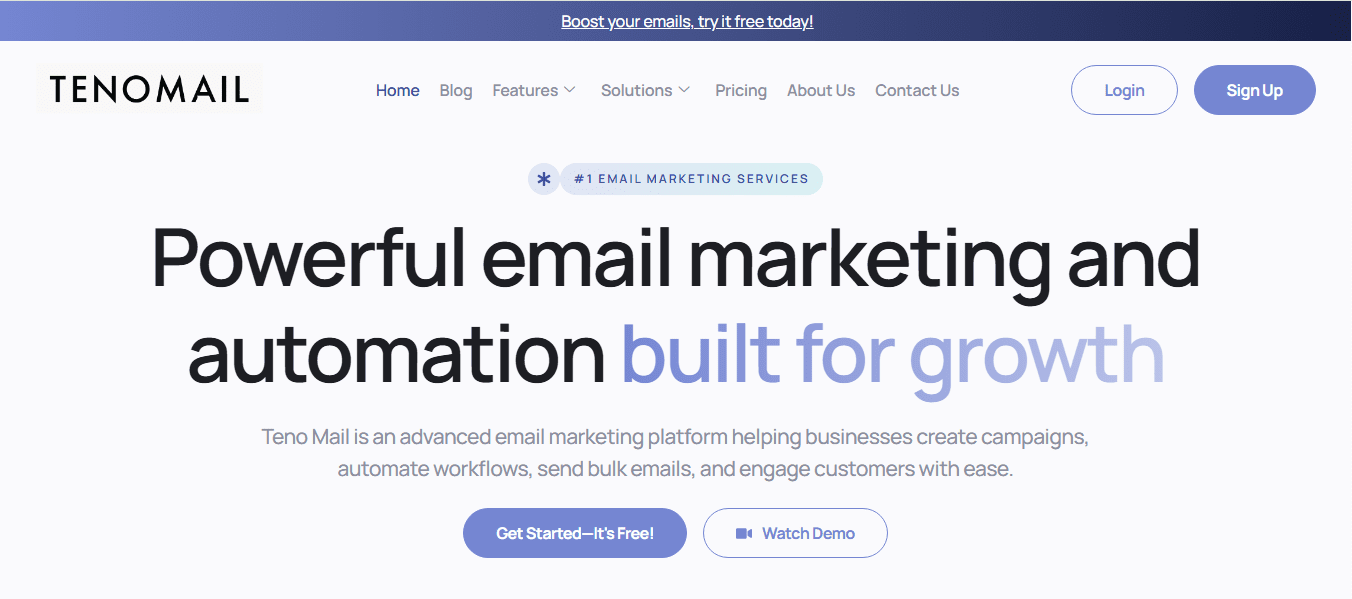
When you’re ready to move beyond basic list-building tactics and truly grow and engage your audience in 2026, using a dedicated email marketing and automation platform is essential. Teno Mail is one such solution designed to help creators and businesses collect and manage subscribers, automate campaigns, and run advanced email marketing workflows—all from one place.
Here’s a detailed look at what Teno Mail offers and why it’s a strong tool for building your email list:
📥 Powerful Contact & Lead Management
Teno Mail lets you manage your contacts effectively from the moment they sign up. You can organize subscribers into lists and segments so you know exactly who’s receiving what type of message—whether it’s a newsletter, offer, or follow-up sequence. Having clean, structured contact data is the foundation of high-performing email marketing.
📊 Generate Leads & Run Campaigns
One of Teno Mail’s core purposes is to help you generate leads and run email campaigns without hassle. You can design campaigns that reach your audience with messages tailored to their interests and behaviors. Whether you’re sending a welcome series to new subscribers or promotional emails to active customers, the platform supports a full suite of campaign tools.
⚙️ Automation & Workflow Tools
Automation is crucial for scaling your list and staying in touch with subscribers meaningfully. With Teno Mail, you can automate key marketing tasks such as:
-
Sending welcome emails when someone joins your list
-
Triggering follow-ups based on subscriber actions
-
Nurturing leads with relevant content sequences
By automating these flows, you ensure consistent engagement without manual effort—saving time and improving conversion potential.
🧠 Smart List Segmentation
Rather than blasting the same message to everyone, Teno Mail lets you segment your audience based on criteria like signup source, engagement level, or past interactions. This means you can deliver more relevant content, which boosts open rates and reduces unsubscribes. Tailored communications keep your list healthy and engaged.
📈 Built-in Insights & Reporting
Understanding how well your email campaigns perform is essential for growth. Teno Mail includes analytics that help you track key metrics like:
-
Open rates
-
Click-through rates
-
Bounce and unsubscribe trends
These insights allow you to iterate and optimize your email strategy over time—focusing on what works and adjusting what doesn’t.
🛠️ Ease of Use and Setup
Setting up an email list and starting your first campaign should be straightforward. With Teno Mail, you can sign up quickly and begin managing contacts and sending messages without deep technical knowledge. This ease of use is especially helpful for small businesses, solo creators, and teams new to structured email marketing.
✨ Why Teno Mail Is a Great Choice in 2026
In 2026, simply collecting email addresses isn’t enough—you need a platform that helps you grow relationships, automate intelligently, and segment deeply. Teno Mail brings these pieces together in a single email marketing and automation solution. It supports both beginners and experienced marketers in turning simple signups into loyal, engaged subscribers who are more likely to convert.
The Do’s and Don’ts of Building an Email List
Building an email list the right way is just as important as growing it. In 2026, inbox providers, spam filters, and privacy regulations are more sophisticated than ever. Following best practices helps protect your sender reputation, improves deliverability, and ensures your emails reach people who actually want to hear from you. Below are essential do’s and don’ts every marketer should follow.
Don’t Buy an Email List
Buying an email list might seem like a shortcut to fast growth, but it’s one of the most damaging practices in email marketing. Purchased lists often contain outdated, fake, or unengaged email addresses. Worse, the recipients have not given you permission to contact them, which can lead to spam complaints, high bounce rates, and blacklisting by email service providers.
In 2026, email providers heavily penalize unsolicited emails. Sending campaigns to purchased lists can permanently harm your domain reputation, making it difficult for even legitimate emails to reach inboxes in the future. A smaller, permission-based list will always outperform a large, unengaged one in terms of opens, clicks, and conversions.
Do Keep Your List Clean
List hygiene is critical for long-term email success. A clean email list improves deliverability, engagement rates, and overall campaign performance. Over time, some subscribers will stop opening emails, change addresses, or lose interest—and that’s normal.
Regularly clean your list by:
-
Removing or suppressing inactive subscribers
-
Eliminating hard bounces and invalid email addresses
-
Monitoring spam complaints and unsubscribes
-
Re-engaging dormant users with targeted campaigns before removal
Keeping your list clean signals to inbox providers that your emails are wanted, helping more of your messages land in the primary inbox instead of spam folders.
Do Ensure Domain Verification
Domain verification is a must in modern email marketing. It confirms that you are authorized to send emails from your domain and helps prevent spoofing or phishing attempts. Verified domains build trust with email providers and significantly improve email deliverability.
In 2026, proper email authentication is non-negotiable. Make sure your sending domain is configured with standard authentication methods such as:
-
Sender authentication records
-
Domain alignment for outgoing emails
-
Secure DNS setup provided by your email platform
Without domain verification, even high-quality emails may be flagged or blocked before reaching subscribers.
Do Have a Reliable Email Marketing Tool
Using a dependable email marketing tool is essential for building and managing a healthy email list. A reliable platform helps you:
-
Collect and store subscriber data securely
-
Manage opt-ins and unsubscribes automatically
-
Segment your audience for targeted messaging
-
Monitor performance metrics like opens, clicks, and bounces
-
Comply with data protection and email regulations
In 2026, advanced email tools also support automation, personalization, and deliverability best practices out of the box. Choosing the right tool ensures your email list grows sustainably while maintaining trust with subscribers and inbox providers alike.
Conclusion
Building an email list in 2026 is about creating genuine connections, not chasing vanity numbers. As digital platforms become more restrictive and paid channels more competitive, a permission-based email list gives you stability, control, and long-term growth. By understanding what an email list is, leveraging ethical growth strategies, using the right tools, and following best practices, you can build a list that remains engaged, responsive, and valuable over time.
The key is consistency and trust. Focus on delivering real value, respect subscriber preferences, and continuously optimize how you collect and communicate with your audience. When done right, your email list becomes one of your most powerful business assets—supporting traffic growth, stronger relationships, and sustainable revenue well into the future.
You might also like: Email marketing best practices [2026]