Email marketing has changed a lot over the years. In 2026, sending one random email is no longer enough. People expect messages that match their needs, actions, and timing. This is where email sequences play a big role. An email sequence sends the right message at the right moment without manual effort. It helps brands stay helpful instead of pushy.
Modern users interact with brands across many touchpoints. They sign up for newsletters, download guides, start free trials, or leave carts behind. Each action tells a story. Email sequences use that story to guide users step by step. This approach feels more personal and more human.
Automation tools are now smarter than ever. They use behavior data, tags, and timing rules to deliver messages that feel natural. When done right, email sequences build trust, save time, and support long-term growth. That is why businesses of all sizes rely on them today.
In this guide, you will learn what email sequences are, why they matter, and how to use them well in 2026.
What Is An Automated Email Sequence?
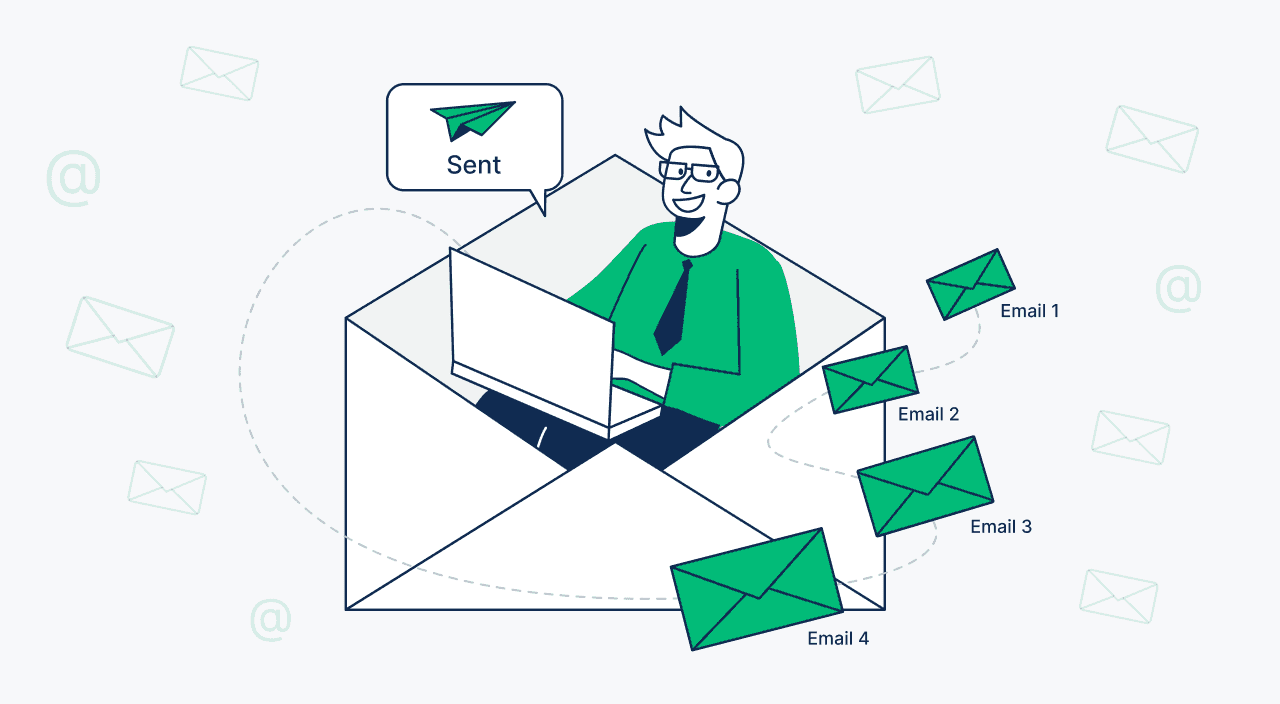
An automated email sequence is a group of emails sent in a planned order. These emails are triggered by user actions or set timelines. Once created, the sequence runs on its own. This means emails go out without manual sending.
Businesses use email sequences to connect with people at key moments. These moments may include signing up for a list, downloading a file, or leaving a cart. Each email in the sequence has a clear goal. Some educate, some remind, and others encourage action.
A common example is an abandoned cart sequence. A visitor adds items to a cart but does not buy. The system notices this action. It then sends a reminder email after a short time. A follow-up may include social proof or a small discount. This gentle nudge often brings users back.
There are two main types of email sequences.
Trigger-based sequences start when a user completes a specific action. This could be joining a newsletter, clicking a link, or making a purchase. These emails feel timely because they react to real behavior.
Time-based sequences are sent after a fixed delay or on a set date. Birthday emails are a common example. Others include onboarding emails sent over several days.
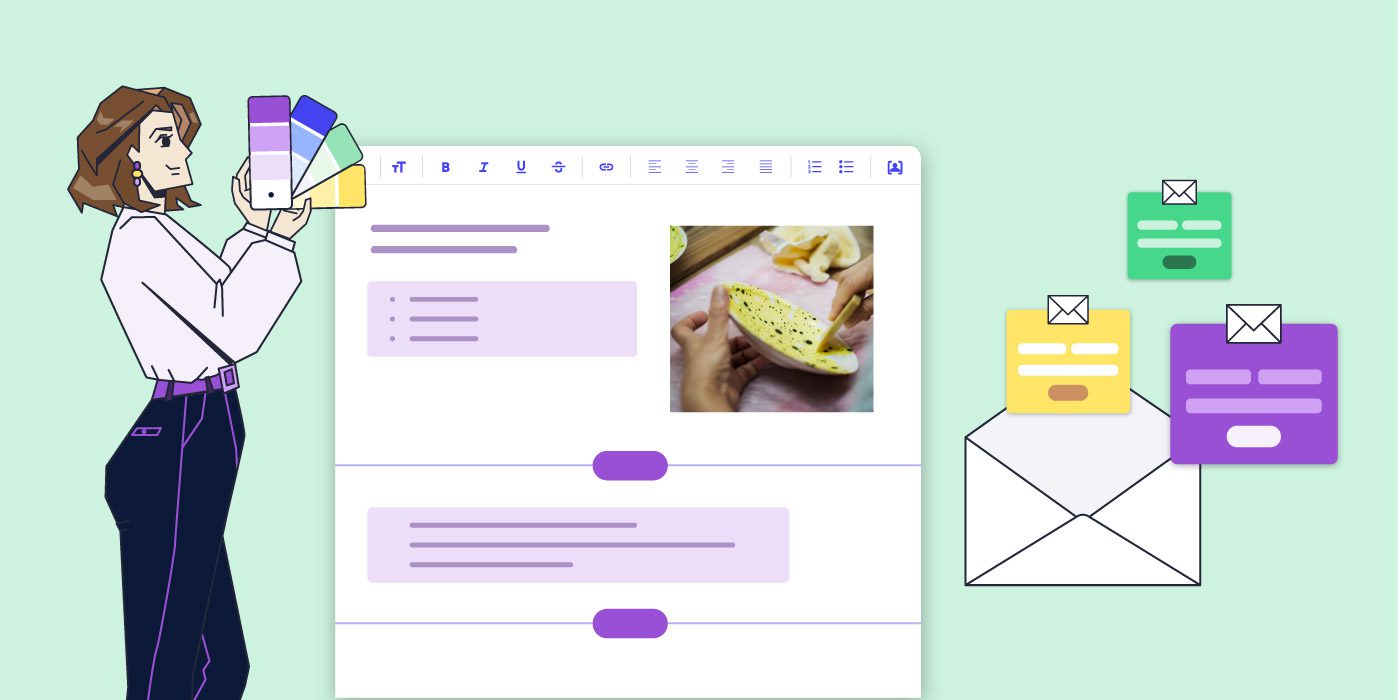
To manage these workflows, businesses use email automation tools. These tools offer visual builders, pre-made workflows, and ready templates. They help teams save time while staying consistent.
Why Should You Use Email Sequences?
Email sequences offer clear benefits for modern businesses. They help brands stay relevant without constant effort.
Driving conversions is one major benefit. When people receive emails that match their stage, they are more likely to act. For example, a software company may send helpful tips during a free trial. Near the end, it may invite users to book a demo. This timing improves upgrade rates.
Increasing sales is another key advantage. Relevant emails answer questions before users ask them. They reduce doubt and build confidence. In cart recovery emails, a small incentive or reminder often pushes buyers to finish checkout.
Retaining customers becomes easier with sequences. Regular touchpoints keep your brand fresh in their minds. Loyal users may receive early access or exclusive deals. Inactive users can be re-engaged with personalized suggestions.
Ensuring scalability is where automation shines. Once a sequence is set, it works around the clock. It delivers the same value whether you have 100 or 100,000 contacts. This allows growth without adding more workload.
In 2026, email sequences are not optional. They are a core part of smart, sustainable marketing.
Top Email Sequence Types With Examples
Email sequences come in many forms. Each type serves a clear purpose. In 2026, brands use these sequences to guide users through every stage of the journey. Below are the most effective email sequence types, explained with practical examples.
1. Welcome Email Sequences
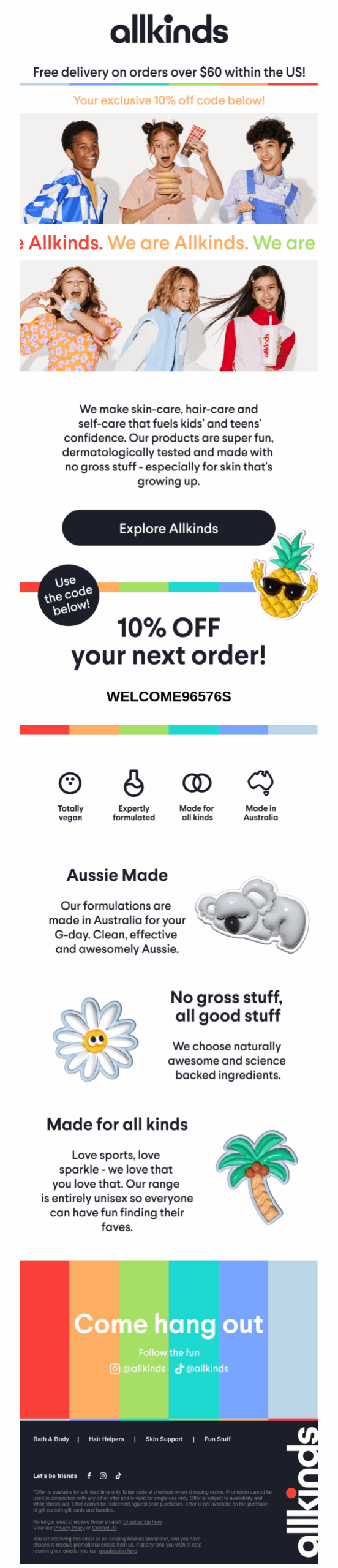
Welcome email sequences are the first emails a new subscriber receives. They start the relationship between the brand and the user. This sequence sets expectations and builds trust early.
The first email usually thanks the user for signing up. It may explain what kind of emails they will receive. Some brands also offer a small reward, like a discount or free resource. This helps create a positive first impression.
The second email often shares the brand story. It explains what the company does and who it helps. This builds emotional connection and clarity.
Later emails may highlight popular products, services, or content. These messages guide users toward their first action. A strong welcome sequence increases open rates and long-term engagement.
Let’s have a look at an effective welcome example by Allkinds.
Subject line: Welcome to Allkinds🚿 🎨 🧇 ⚽️ 🏖️ 👾 ✨👀
2. Onboarding Emails
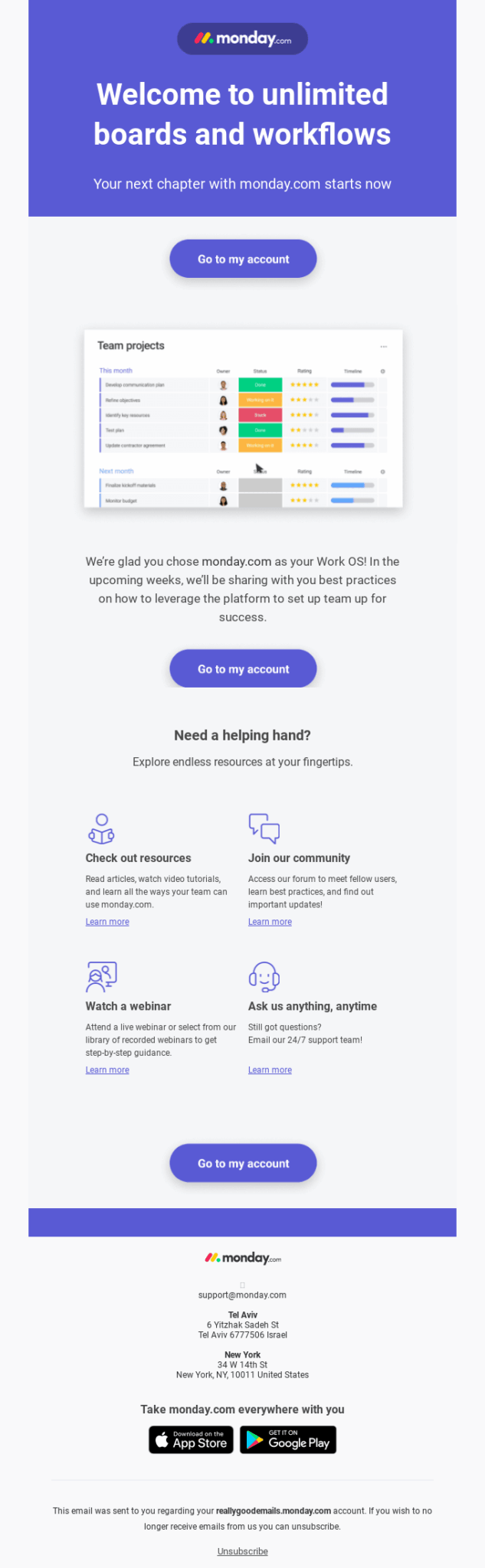
Onboarding emails help users learn how to use a product or service. They are common in software, apps, and online platforms. These emails reduce confusion and improve user success.
The first onboarding email usually explains the next step. This could be setting up an account or completing a profile. Clear instructions are key.
Follow-up emails focus on features and benefits. Each email explains one feature at a time. This keeps things simple and easy to understand.
Later emails may include tips, videos, or common mistakes to avoid. The goal is to help users get value fast. Good onboarding sequences lower churn and increase satisfaction.
Let’s have a look at how monday.com approaches user onboarding, starting with their welcome email.
Subject line: Welcome to monday.com
3. Lead Nurturing Sequences
Lead nurturing sequences guide potential customers over time. They focus on education, not hard selling. These emails build trust before asking for a purchase.
The first email often delivers what the user asked for. This could be a guide, checklist, or webinar access. It confirms that the brand keeps its promise.
Next emails share helpful content. This may include tips, insights, or case examples. Each email addresses a common problem or question.
As the sequence continues, emails slowly introduce solutions. The final emails may invite users to book a call or try a product. This slow approach works well for long buying cycles.
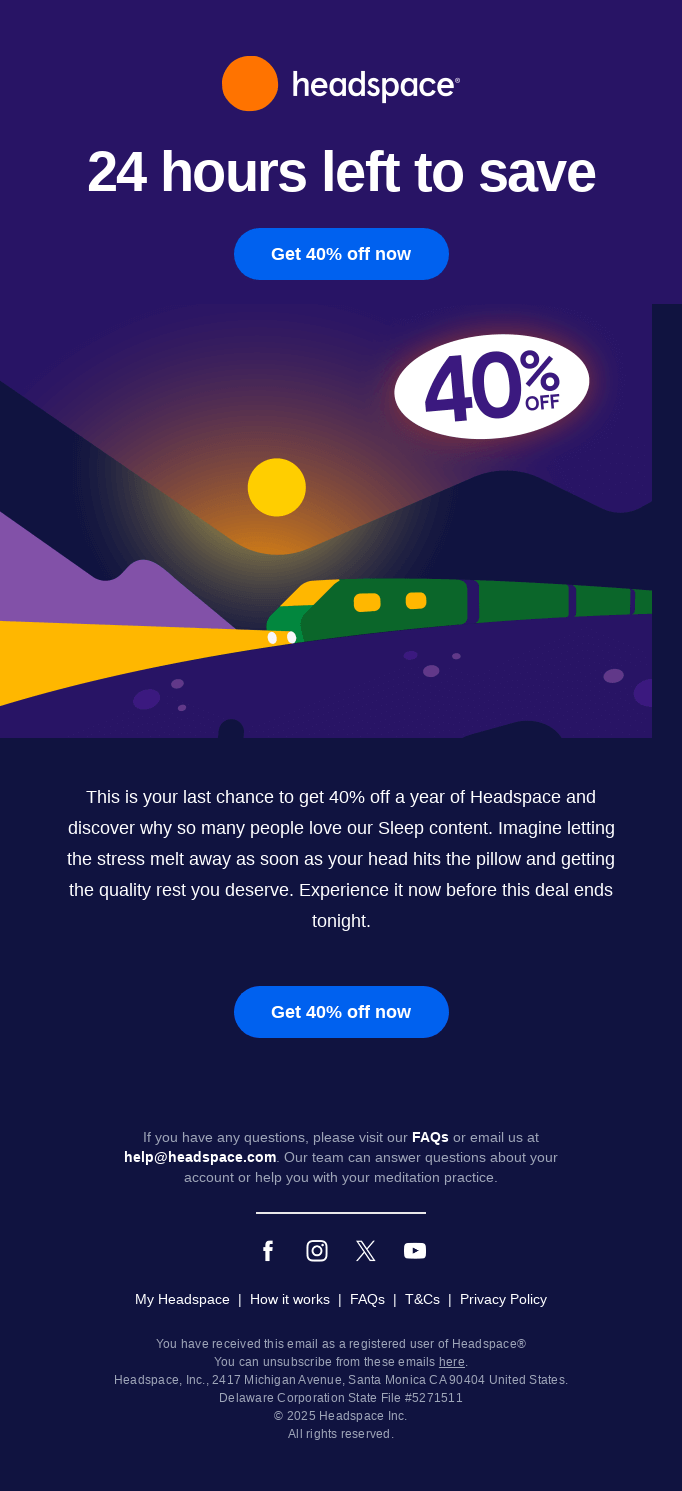
SaaS platforms like Headspace may also offer a discount to help indecisive prospects take the next step.
Subject line: 24 hours left to save
4. Re-Engagement Campaigns
Re-engagement campaigns target inactive users. These are people who stopped opening emails or using a service. The goal is to bring them back.
The first email often checks in. It may ask if the user still wants to hear from the brand. This shows respect for their inbox.
Next emails may offer fresh value. This could be new content, features, or updates. Some brands use a friendly reminder tone.
Later emails may include incentives. A discount or bonus can spark interest again. If there is no response, the sequence may end by removing the user from the list. This keeps lists clean and healthy.
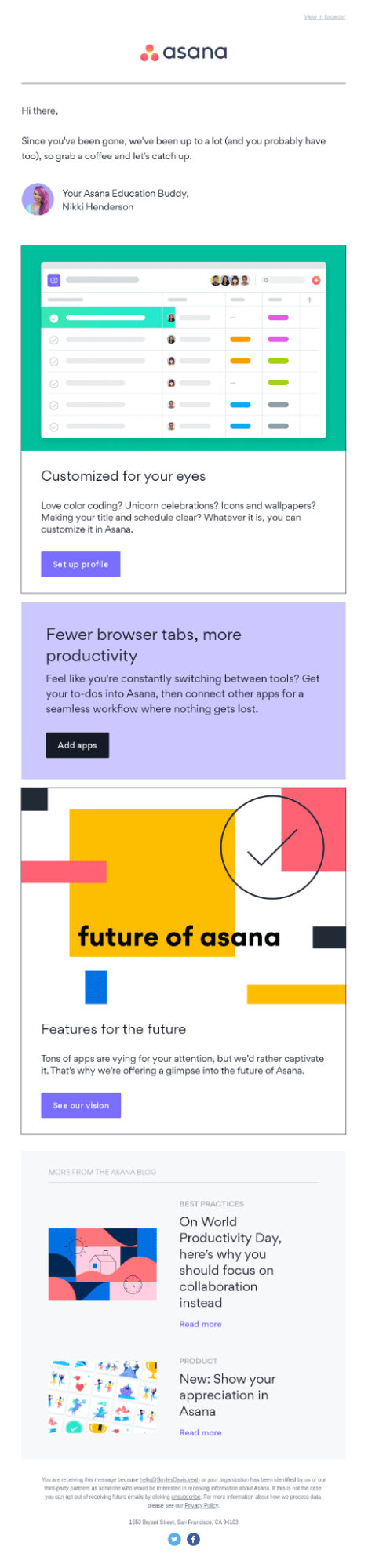
Here’s how Asana created a smart re-engagement email including the features dormant customers have been missing out on:
Subject line: You’re missing out on unicorns
5. Cross-Sell and Upsell Series
Cross-sell and upsell sequences increase customer value. They are sent after a purchase or during active use. These emails suggest related or upgraded options.
The first email usually thanks the customer. It confirms the purchase and sets a positive tone.
Follow-up emails suggest helpful add-ons. These suggestions are based on what the customer already bought. For example, accessories or premium features.
Upsell emails may highlight benefits of higher plans. They explain how an upgrade solves more problems. Timing is important here. Emails work best when users already see value.
Exactly like AllTrails did, leveraging Independence day for a limited-time upselling campaign:
Subject line: Reminder: Our Independence Day Sale will be ending soon!

6. Cart Abandonment Sequences
Cart abandonment sequences recover lost sales. They target users who added items to a cart but did not check out. This is one of the most effective email types.
The first email is sent shortly after abandonment. It reminds the user about the items left behind. A clear call to action is important.
The second email may address doubts. It can include reviews, guarantees, or support offers. This reduces hesitation.
A final email may include a small incentive. Limited-time discounts or free shipping often work well. These sequences feel helpful, not pushy, when done right.
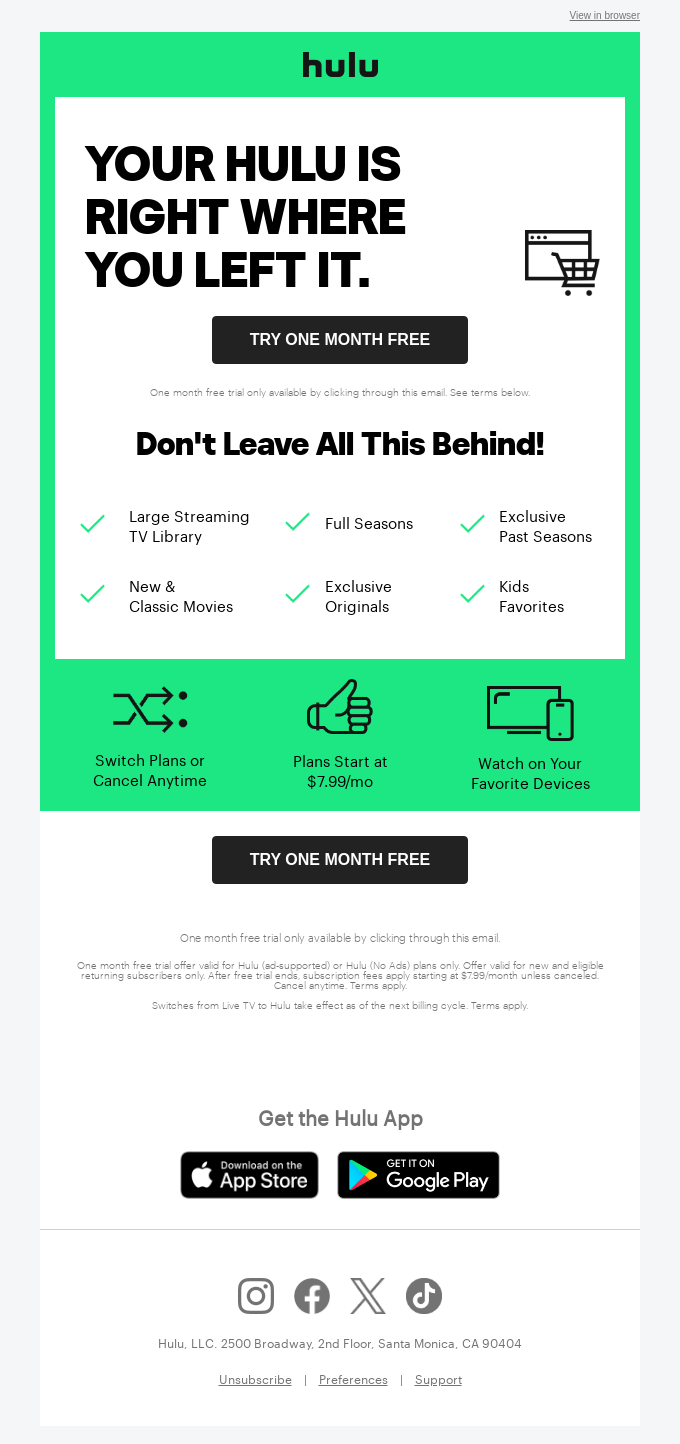
Let’s take this abandoned cart email example by Hulu used to bring back disengaged free trial users:
Subject line: TV Fan, Your Free Trial is Waiting
7. Feedback Campaigns
Feedback campaigns collect user opinions. They help businesses improve products and services. These emails show that customer voices matter.
The first email asks for feedback after a key action. This could be a purchase or support interaction. Keeping it short increases response rates.
Follow-up emails may include surveys or rating links. Simple questions work best. Long forms reduce participation.
Some brands send a thank-you email after feedback is shared. This may include a reward or message of appreciation. Feedback sequences build trust and insight.
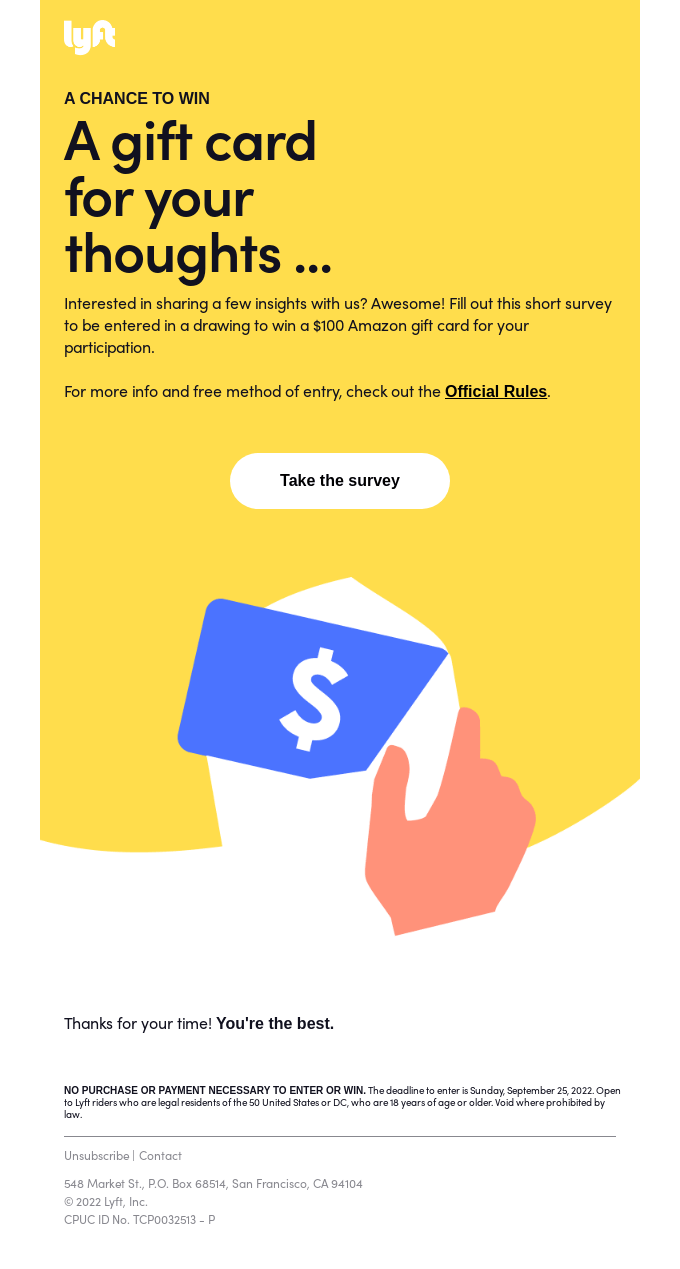
We loved the direct approach in the following feedback request example by Lyft:
Subject line: Enter to win a gift card for feedback
8. Renewal Emails
Renewal emails remind users about upcoming renewals. They are common in subscriptions and memberships. These emails prevent surprise charges and cancellations.
The first renewal email is sent well before the renewal date. It informs users about the upcoming charge. Transparency builds trust.
Follow-up emails may explain the value of staying. They highlight benefits and new features. This reminds users why they signed up.
A final reminder may be sent close to the renewal date. Clear instructions for managing plans help users feel in control. Good renewal sequences reduce churn.
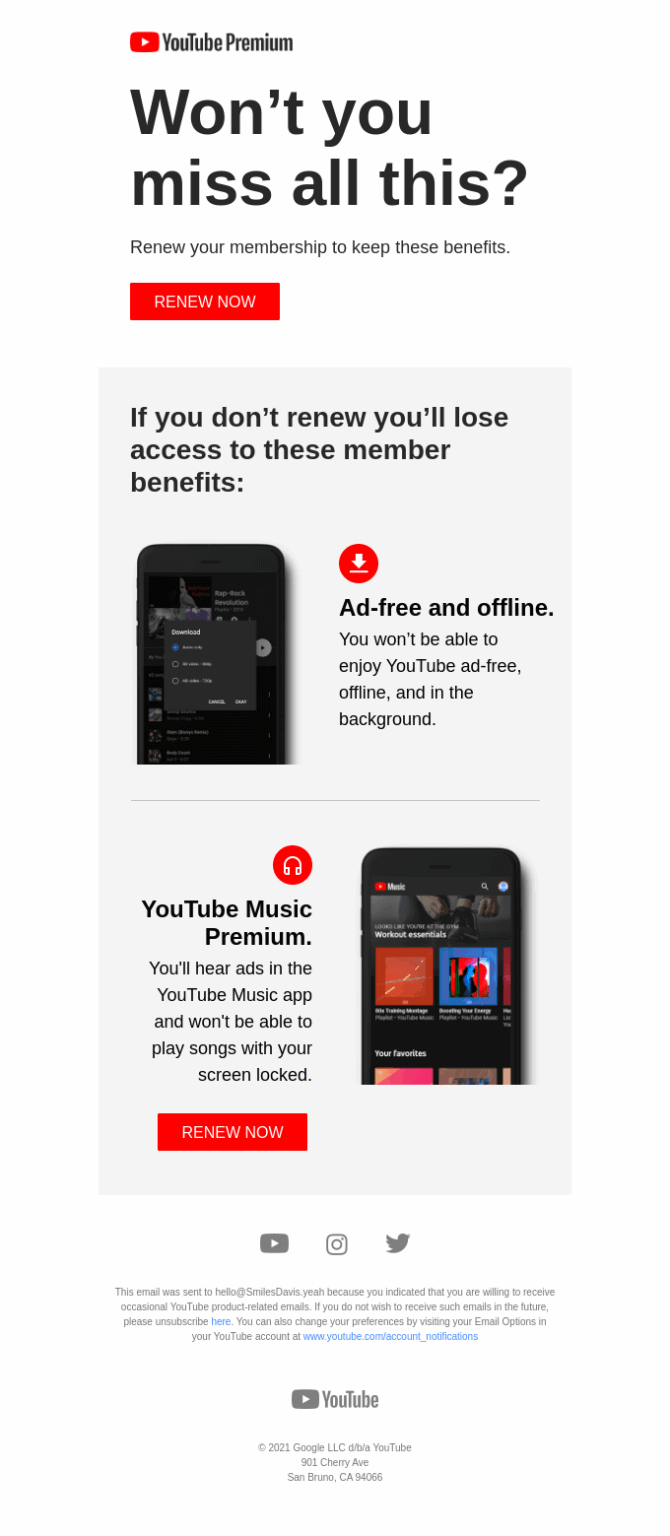
This is how YouTube Premium invites customers to stay aboard:
Subject line: Time is almost up, your YouTube Premium benefits end soon – renew now.
9. Customer Loyalty Sequences
Customer loyalty sequences reward repeat customers. They focus on appreciation and long-term connection. These emails strengthen brand relationships.
The first email may thank customers for their support. It can celebrate milestones like anniversaries or repeat purchases.
Later emails may offer exclusive perks. Early access, special deals, or loyalty points are common options. These rewards make customers feel valued.
Some loyalty sequences share insider content. This could be behind-the-scenes stories or previews. Loyal customers enjoy feeling included.
Here an example:
Subject line: Coming Soon: New Experiences For SkyMiles® Members

Strong loyalty sequences turn customers into advocates. They increase lifetime value and word-of-mouth growth.
Email Sequence Templates
Email sequence templates give you a strong starting point. They help you save time while keeping your message clear and consistent. In 2026, templates work best when they feel human and flexible. They should guide the conversation, not sound robotic.
A good email sequence usually starts with a friendly first touchpoint. This email introduces who you are and why you are reaching out. It should feel personal and respectful. The goal is not to sell right away, but to open the door to a conversation.
The follow-up email plays a different role. It gently reminds the reader about your first message. It also adds value by focusing on a clear problem or benefit. Many people miss the first email, so a polite follow-up often makes the difference.
Below are two simple templates you can adapt for your own campaigns. You can adjust the tone, length, and details to match your brand voice and audience. Personalization is key. Small changes like names, roles, or pain points can greatly improve response rates.
1st Email Template
Subject line: [Name], let’s talk!
Hi there, [Name]!
How are you? I am [Name] from [Company name], and I recently saw your profile on [channel].
Our company offers solutions that can free your hands, such as:
- [Solution X]
- [Solution Y]
Do you find this information helpful? Otherwise, is there anyone in your business that could benefit from us? I would love to get in touch and discuss with them.
If you’re interested, reply to this email, specifying your availability for a quick call!
Kind regards,
[Your Name]
1st Follow-up Email Template
Subject line: [Name], I forgot to mention…
Hi [Name],
I hope you’re doing great!
I previously emailed you about helping companies like yours to [mention pain points/solutions offered], and I’m curious to know if you experience similar struggles at work.
Did you get the chance to check our website and spot something you’d love to discuss with us? Then we’d like to jump on a short call this week. Click the link below to choose a time and date that suits your schedule.
Best regards,
[Your Name]
You can build a full email sequence by adding more follow-ups after this. Each new email should introduce one clear idea or benefit. Keep your language simple and your tone friendly. This approach creates a smooth and consistent experience across every touchpoint.
Email Sequence Best Practices
Email sequences work best when they are planned with care. In 2026, inboxes are more crowded than ever. Users expect relevant, well-timed messages that respect their attention. Following proven best practices helps your sequences perform better and build long-term trust.
1. Choose an Email Service Provider
The foundation of any email sequence is the tool you use. A good email service provider should support automation, segmentation, and personalization. It should also be easy to use.
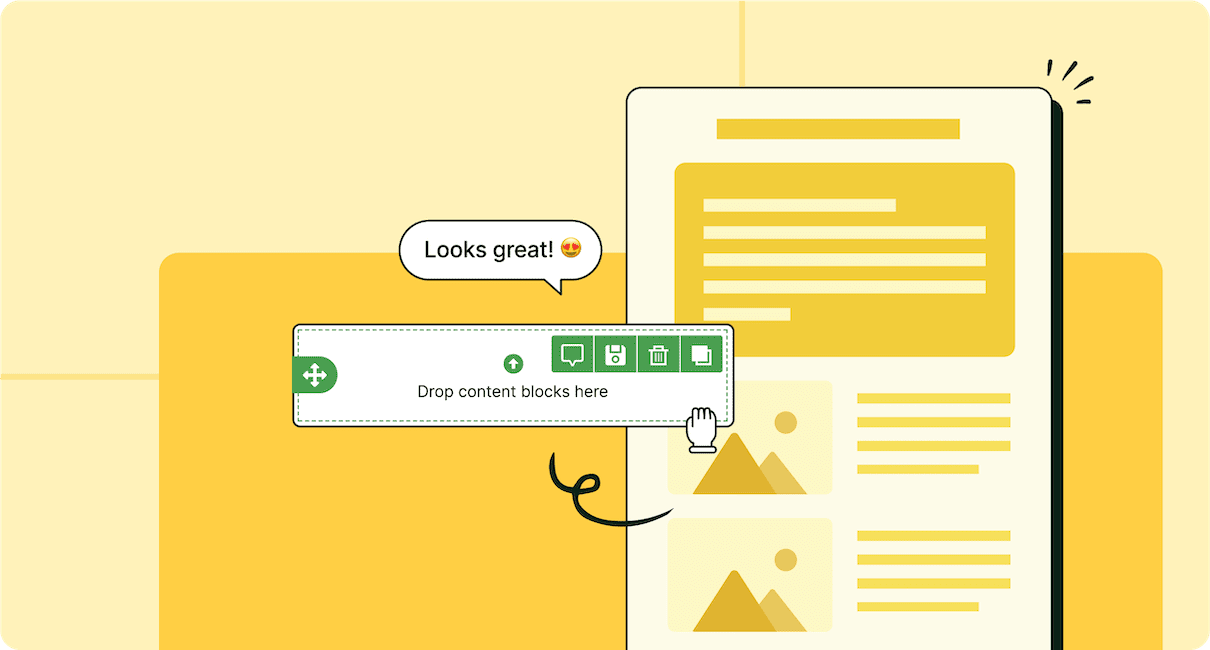
Look for a platform with a visual automation builder. This allows you to design sequences based on actions and timing without technical skills. Pre-built workflows are also helpful. They save time and reduce setup errors.
Deliverability is another key factor. Your provider should follow strong sending practices and offer tools to manage bounces and unsubscribes. Integration options also matter. Connecting email with your website, forms, or CRM creates smoother data flow and better targeting.
2. Create Converting Email Sequences
A converting email sequence has a clear goal. Every email in the sequence should support that goal. Avoid sending emails just to fill space.
Start with a strong first message. It should explain why the email matters to the reader. Use clear language and focus on one main idea.
Each follow-up should move the reader one step forward. This may be learning more, taking action, or building trust. Use simple calls to action. Avoid overwhelming users with too many links or offers.
Storytelling also helps. Sharing real examples or use cases makes emails more engaging. When readers see how others benefit, they are more likely to respond.
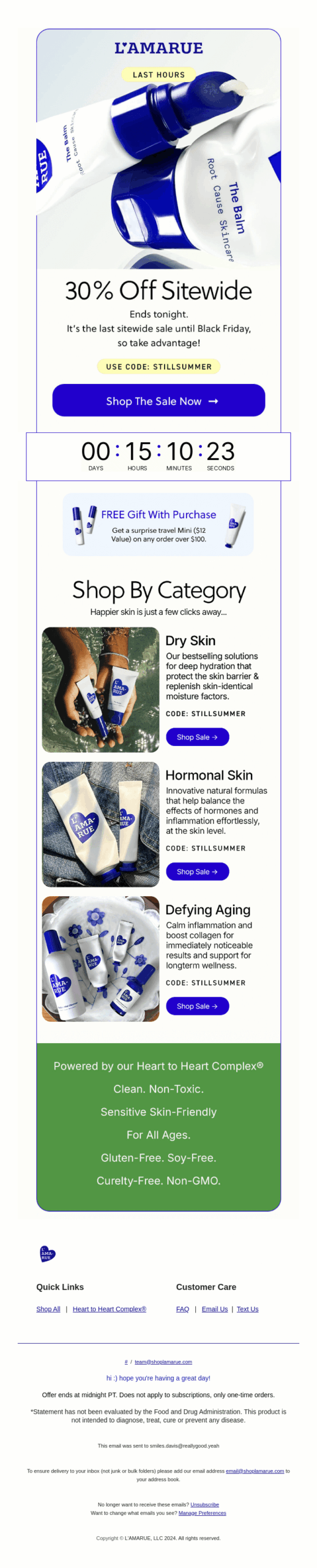
Like L’ AMARUE does in the following email, focusing its copy on the limited-time nature of the offer while reinforcing it effectively with prominent countdown timer.
Subject line:🚨 30% Off Ends at MIDNIGHT!
3. Make Personalization a Priority
Personalization is no longer optional. In 2026, users expect emails that feel made for them. This goes beyond using a first name.
Use behavior data to personalize content. This may include pages visited, products viewed, or actions taken. Tailoring emails based on these signals increases relevance.
Segment your audience into smaller groups. Each group should receive messages that match their needs and stage. For example, new users and returning customers should not get the same emails.
Dynamic content also adds value. This allows parts of an email to change based on user data. When done right, personalization improves engagement and trust.
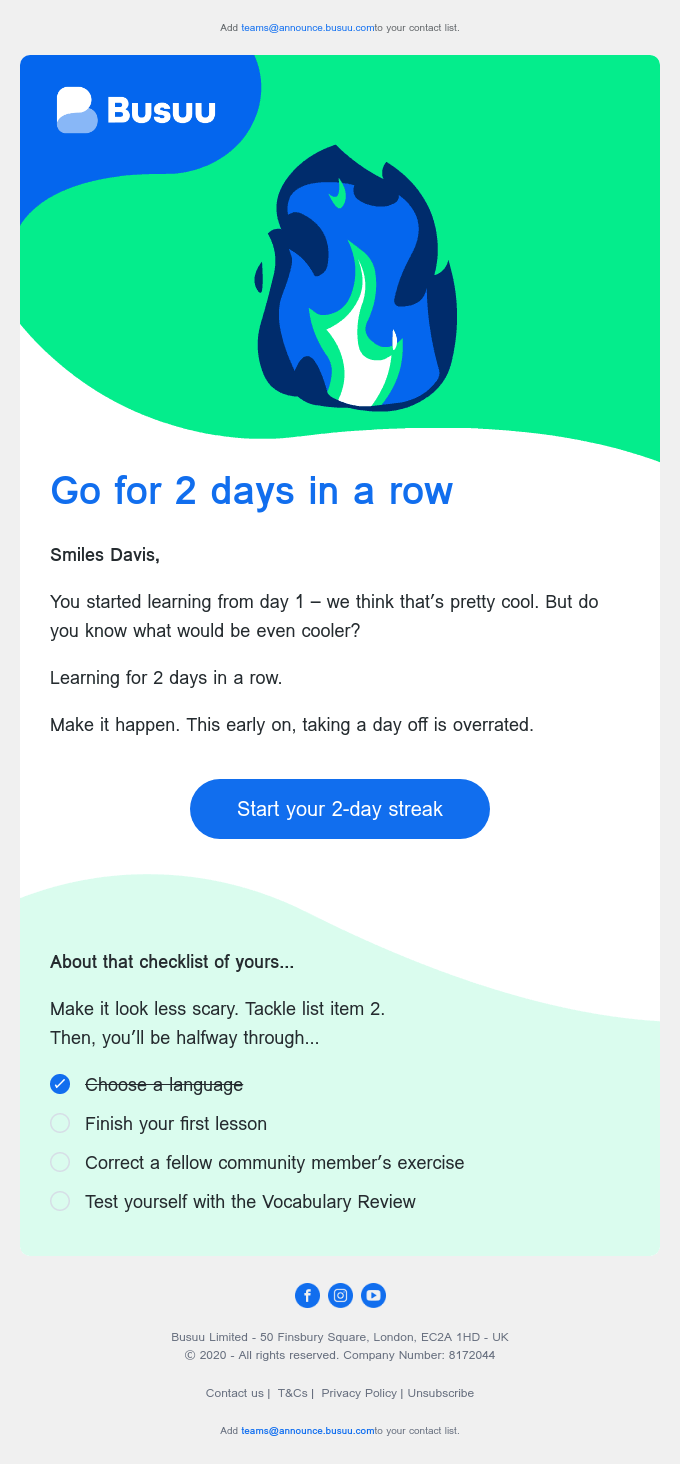
Busuu’s email is an excellent example of how brands can use the subscriber’s actions to nudge them to take the next step. They also add a short checklist to make the language-learning project more organized and less intimidating.
Subject line: You had a good start on day 1! 👍 So, about making day 2 count…
4. Mind Your Timing and Frequency
Timing can make or break an email sequence. Sending too early or too late reduces impact. Frequency also matters. Too many emails lead to fatigue.
Use data to choose the best send times. Many tools offer insights on when users open emails most. Adjust your timing based on time zones and behavior.
Space out your emails wisely. Give users time to read and act. For most sequences, a few days between emails works well.
Also, allow users to control frequency when possible. Preference settings reduce unsubscribes and show respect for choice.
5. Monitor Email Metrics
Tracking performance is essential for improvement. Email metrics show what works and what needs change.
Open rates help you understand subject line performance. Click rates show content relevance. Conversion rates reveal how well emails drive action.
Pay attention to negative signals too. High unsubscribe or spam complaint rates are warning signs. They often point to poor targeting or over-sending.
Use these insights to test and refine your sequences. Small changes in wording, timing, or structure can lead to better results over time.
Strong email sequence practices turn automation into a growth tool. When done well, they create value for both businesses and readers.
Adjust in Real Time and See Long-Term Value
Email sequences are a smart way to connect with your audience using messages that arrive at the right moment. To get the best results, take time to understand the full customer journey. Create strong lead magnets, build clear landing pages, and guide subscribers with content that fits their needs.
Even though email sequences run on automation, they should never stay unchanged forever. Subscriber behavior can shift over time. Pay close attention to opens, clicks, and replies. Use this data to fine-tune your messaging and improve results.
A dependable email automation platform makes this process easier. It helps you send trigger-based emails and plan messages at key intervals. Many tools also include testing and reporting features, so you can track performance and adjust with confidence.
If you want to engage your audience without rebuilding campaigns each time, using a platform like Teno Mail can help you deliver timely and personalized interactions with less effort.
Email Sequences FAQs
Below are answers to some common questions about email sequences. These points help clear confusion and guide better planning.
1. What’s the difference between drip campaigns and email sequences?
Drip campaigns and email sequences are often confused. They are similar, but they work in different ways.
Drip campaigns follow a fixed schedule. Emails go out in a set order, no matter what the user does. Everyone receives the same messages at the same time. This works well for basic education or long-term awareness.
Email sequences are more flexible. They react to user behavior. Emails are sent when someone takes a specific action or reaches a certain stage. This makes messages feel more relevant and timely.
In 2026, many businesses prefer email sequences because they adapt to real actions. They create a more personal experience and better results.
2. How many emails should be in a sequence?
There is no single perfect number. The right length depends on your goal and audience.
Short sequences may have three to five emails. These work well for welcome or cart recovery flows. They deliver value quickly without overload.
Longer sequences may include six to ten emails or more. These are common in onboarding or lead nurturing. They guide users over time and build trust step by step.
The key is quality, not quantity. Each email should have a clear purpose. If an email does not add value, it should be removed.
3. Are email sequences only for sales and promotions?
No, email sequences are not just for selling. They support many business goals.
Some sequences focus on education. They teach users how to use a product or solve a problem. Others focus on engagement, feedback, or support.
Customer care sequences help users feel valued. Renewal and loyalty emails build long-term relationships. Re-engagement emails bring inactive users back.
In 2026, the most successful sequences balance value and promotion. They help first and sell second.
Read More: Email Deliverability: Avoiding The Spam Folder [2026]