People do not always buy based on logic. Many buying decisions come from feelings. This is where the “lipstick effect” becomes important for marketers. It explains why people still spend money, even when times feel uncertain.
In recent years, rising costs, economic pressure, and digital overload have changed how people shop. Many buyers now avoid big purchases. At the same time, they still look for small things that make them feel better. This shift has a strong impact on email marketing.
Emails that only push discounts or urgency often miss the emotional side of buying. On the other hand, emails that focus on small rewards and simple pleasures can perform better. They connect with how people actually feel.
In 2026, smart marketers do not choose between promotions and pleasure. They understand both. They use email to balance urgency with emotional value. This approach helps brands stay relevant, even when customers are careful with money.
What the Lipstick Effect Really Is
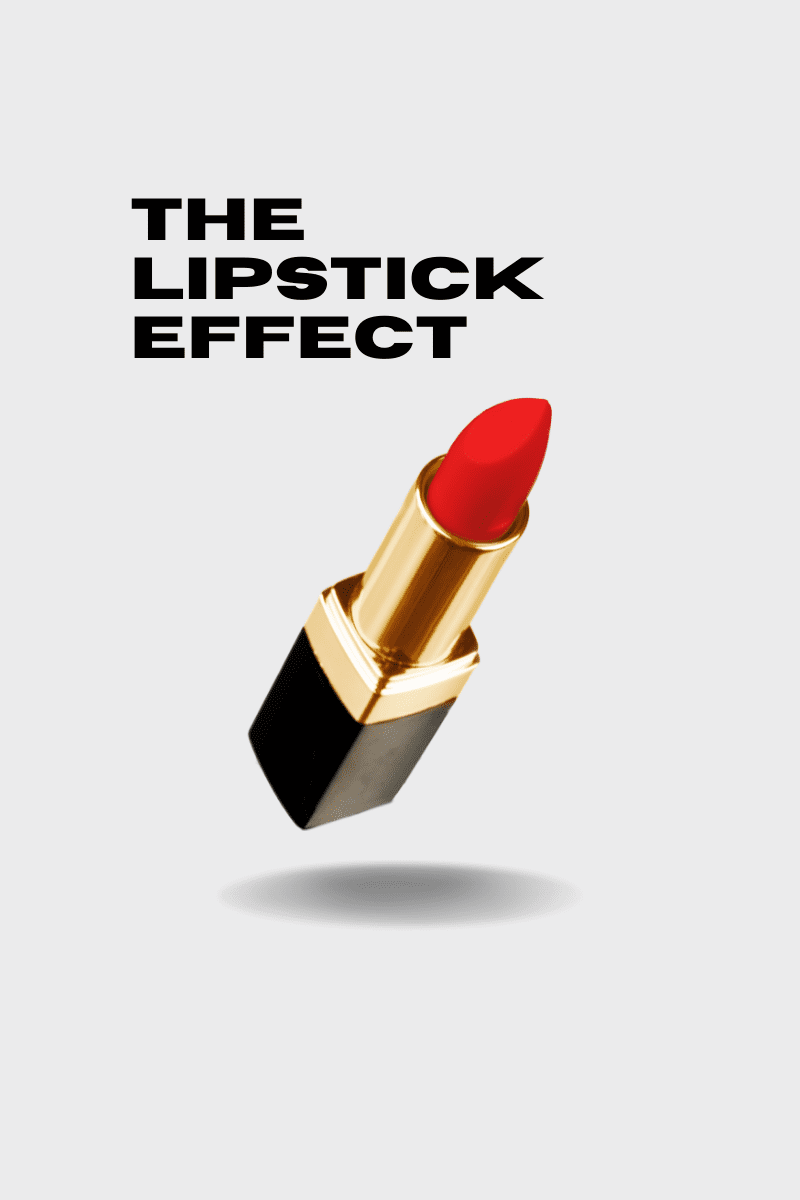
The lipstick effect is a simple but powerful idea. It says that when people face financial stress, they cut back on big spending but still buy small luxury items.
Instead of buying expensive products, people choose affordable treats. These can be things like cosmetics, snacks, or small upgrades. The goal is not just utility. The goal is to feel good.
This behavior comes from psychology. When money feels tight, people still want comfort, control, and normal life. Buying a small luxury gives them that feeling without hurting their budget.
It is not limited to beauty products. Today, it includes coffee, digital tools, fashion items, and even low-cost subscriptions. The core idea stays the same. People trade big rewards for smaller, safer ones.
For marketers, this means one thing. Customers do not stop buying. They just change what they buy and why they buy it.
Promotions vs. Pleasure: Two Different Motives
Not all purchases come from the same mindset. Some are driven by pressure. Others are driven by desire. Understanding this difference helps you write better emails.
Think of it as a choice between two different biological responses:
The stress response (urgency & scarcity):
This response is about survival and control.
When people see limited-time offers, countdown timers, or low stock alerts, they feel pressure. Their brain focuses on avoiding loss. They act fast because they do not want to miss out.
This is why phrases like “last chance” or “only a few left” work well. They trigger quick decisions. But this method has limits. If overused, it can feel stressful and push people away.
The reward response (pleasure & indulgence):
This response is about feeling good.
Here, people buy because they want a small boost in mood. They are not reacting to fear. They are moving toward enjoyment. This is where the lipstick effect plays a key role.
Even in tough times, people look for simple rewards. A small purchase can give comfort, confidence, or a sense of control.
Emails that highlight self-care, personal treats, or “you deserve this” messaging tap into this response. These emails feel lighter. They build a positive connection with the brand.
Why Email Is the Perfect Channel for “Affordable Indulgence”
Email stands out in modern marketing because it feels personal. It is not a crowded public feed like social media. It is a space people choose to open. This small detail changes everything.
When someone subscribes to your emails, they give you direct access to their attention. That means your message does not need to fight as hard for visibility. More importantly, it creates a sense of trust. People are more open to emotional messages in a space they control.
This is exactly why email works so well for the lipstick effect.
A private and trusted environment
Email is a one-to-one channel. People receive messages from brands they already know or have shown interest in. This makes them more receptive to emotional storytelling.
Unlike ads that interrupt, emails feel invited. This reduces resistance. It allows brands to move beyond simple promotions and build a deeper connection.
When people feel safe, they are more likely to respond to messages about comfort, reward, and small indulgence. That is the core idea behind affordable luxury.
More room for emotional storytelling
Most channels limit how much you can say. Emails do not.
You can guide the reader from subject line to headline, then into the body, and finally to the call-to-action. This flow helps you build a feeling, not just deliver an offer.
Instead of saying “20% off today,” you can say:
- “Take a small break for yourself”
- “A simple upgrade to your day”
- “Something just for you”
These messages connect with how people feel during uncertain times. Research shows that people still seek small pleasures even when they cut back on big purchases.
Email gives you the space to turn a product into a moment of relief or joy.
Perfect timing for emotional triggers
Email also gives you control over timing. You can send messages when people are most likely to feel stress or fatigue.
Think about it:
- A Monday morning email can offer a “small win” for the week
- A Friday email can suggest a “treat yourself” moment
- A late-night email can tap into impulse and emotion
These moments matter because the lipstick effect is driven by feelings, not just logic. People buy small luxuries to lift their mood or regain control.
Email lets you match your message with those emotional states.
Personalization makes indulgence feel justified
Another strength of email is personalization.
You can use:
- Names
- Past purchases
- Browsing behavior
- Preferences
This makes the message feel tailored. It turns a general offer into something that feels made for one person.
And that matters because affordable indulgence needs to feel justified. People do not want to feel guilty about spending. They want to feel like the purchase makes sense.
A personalized email can say:
- “You loved this before”
- “This matches your style”
- “A small upgrade for your routine”
This helps the buyer rationalize the purchase. It aligns emotion with logic.
Less pressure, more connection
Many marketing channels rely heavily on urgency. But overuse of urgency can lead to “urgency fatigue.” People start ignoring countdowns and “last chance” messages.
Email gives you the chance to slow things down.
You can:
- Focus on experience instead of pressure
- Highlight benefits instead of discounts
- Build desire instead of forcing action
This shift is important in today’s market. People are tired of constant pressure. They respond better to messages that feel calm, rewarding, and human.
A bridge between value and emotion
At its core, email connects two things:
- Value (price, offer, deal)
- Emotion (comfort, reward, pleasure)
The lipstick effect lives right between these two.
People still care about price. But they also care about how a purchase makes them feel. Email is one of the few channels that can balance both without losing impact.
Here an example:
Subject line: Pour Some Love Into Your Mornings
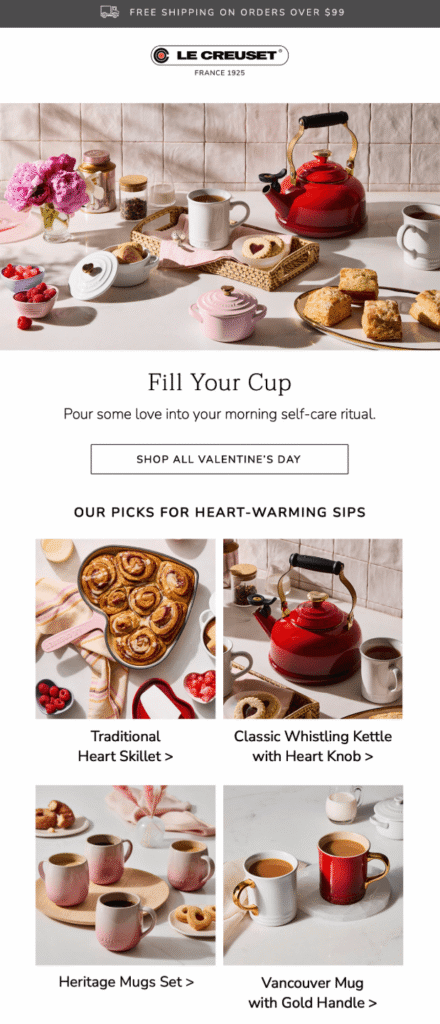
When done right, an email does not just sell a product. It sells a feeling. And that feeling drives action.
How the Lipstick Effect Should Shape Your Email Offers
Understanding the lipstick effect is not enough. You need to apply it to how you create offers. This is where many marketers make mistakes.
They focus too much on discounts and ignore emotional value. But modern buyers want both.
Shift from “cheap” to “worth it”
The first change is simple but powerful.
Stop positioning your offer as just “cheap.” Start positioning it as “worth it.”
During uncertain times, people do not just look for low prices. They look for the best emotional return on their money.
This means your offer should answer one question:
“Will this make me feel better?”
If the answer is yes, the price becomes easier to accept.
Turn products into small rewards
The lipstick effect is built on small indulgences. So your email offers should feel like rewards, not transactions.
Instead of:
- “Buy now and save 15%”
Try:
- “A small treat for your day”
- “You’ve earned this”
- “Make today a little better”
This shift changes how the brain processes the message. It moves from logic to emotion.
People are more likely to act when they feel they are rewarding themselves.
Focus on emotional benefits, not just features
Features explain what a product does. Emotional benefits explain how it feels.
For example:
- Feature: “Soft cotton fabric”
- Emotional benefit: “Feels calm and comfortable after a long day”
The lipstick effect is driven by emotional needs like comfort, control, and confidence.
Your email should highlight these feelings.
Ask yourself:
- Does this reduce stress?
- Does this improve mood?
- Does this boost confidence?
If yes, make that the center of your offer.
Keep the price within the “safe zone”
Affordable indulgence only works if the price feels safe.
If the cost is too high, it breaks the effect. People will treat it like a big purchase, not a small treat.
This does not mean everything must be cheap. It means the price should feel easy to justify.
Many brands do this by:
- Offering smaller versions of products
- Creating bundles at a friendly price
- Highlighting value instead of cost
People are willing to spend, but they want to stay in control.
Reduce friction in the buying process
The lipstick effect often leads to quick decisions. People act on feeling.
Your email should support that.
Make it easy to:
- Understand the offer
- Click the link
- Complete the purchase
Avoid:
- Long, complex steps
- Too many choices
- Confusing messages
The smoother the process, the more likely people will follow through.
Replace pressure with reassurance
Traditional marketing uses pressure:
- “Last chance”
- “Hurry before it’s gone”
But with the lipstick effect, reassurance works better.
Try:
- “A simple way to feel better today”
- “No pressure, just something you might enjoy”
- “Take a moment for yourself”
This builds trust. It lowers resistance. It encourages action without stress.
Create a habit of emotional buying
The real power of the lipstick effect is repeat behavior.
When people associate your brand with small positive feelings, they come back.
Each email becomes more than a promotion. It becomes a moment of relief.
Over time, this builds loyalty.
Instead of waiting for big discounts, customers return for:
- Comfort
- Familiarity
- Emotional reward
This is much stronger than price-based loyalty.
Balance logic and emotion
Finally, your offer should not ignore logic completely.
People still need a reason to buy. The best emails combine:
- Emotional appeal (pleasure, reward)
- Rational support (price, quality, usefulness)
For example:
- “A small treat that fits your budget”
- “Premium feel without the high price”
- “A simple upgrade you can afford today”
This balance is what makes the lipstick effect so powerful.
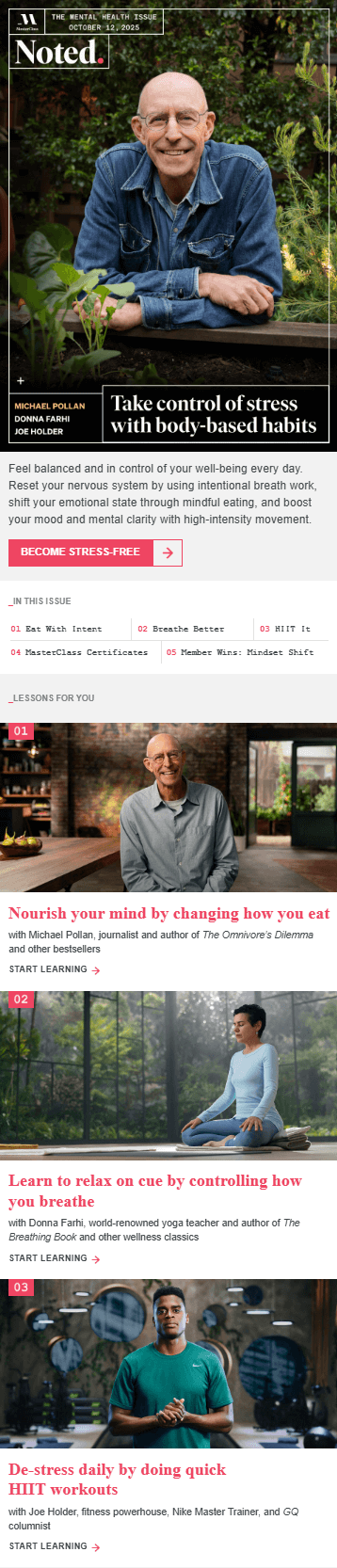
Here an example:
Subject line: Outsmart stress—try habits that reset your mind
How to Apply the Lipstick Effect on Your Email Campaigns
The lipstick effect is not just a theory. It becomes powerful when you apply it to real campaigns. In email marketing, every element matters. From the subject line to the design, each part can shape how people feel.
When times feel uncertain, people do not stop buying. They simply look for smaller, safer ways to feel good. Your email should match that mindset. It should reduce stress and offer a simple reward.
Below is how you can apply this idea step by step.
Email subject lines
The subject line is the first moment of truth. It decides if your email gets opened or ignored.
Most brands rely on urgency:
- “Last chance today”
- “Only a few hours left”
- “Don’t miss out”
These lines trigger the stress response. They can work, but they often feel heavy. When overused, people start to ignore them.
The lipstick effect takes a different path. It focuses on emotional pull instead of pressure.
Focus on small rewards
Your subject line should feel like an invitation, not a warning.
Examples:
- “A small treat for your day”
- “You deserve something simple”
- “Make today feel a bit better”
These lines connect with the idea of affordable indulgence. They promise a positive feeling, not just a deal.
Use soft curiosity
Curiosity works well when it feels calm and natural.
Examples:
- “Something you might enjoy today”
- “A little upgrade you didn’t expect”
- “This could make your day easier”
This approach builds interest without stress. It invites the reader to explore.
Personalize when possible
Personalized subject lines feel more relevant.
Examples:
- “Rafat, this one’s for you”
- “A simple pick based on what you like”
When people feel seen, they are more open to emotional messaging. It helps justify the purchase as something meaningful.
Avoid overloading with discounts
Discount-heavy subject lines often look the same:
- “50% OFF NOW”
- “Huge Sale Today”
They focus only on price. The lipstick effect is about value plus feeling.
Instead of leading with discounts, lead with emotion. You can still include the offer inside the email.
Email copy
Once the email is opened, the copy must keep the reader engaged. This is where you build the emotional story.
The goal is simple: make the reader feel that this small purchase is worth it.
Start with a relatable feeling
Begin with something the reader understands.
Examples:
- “Some days feel longer than they should”
- “It’s been a busy week for most of us”
- “You’ve done a lot lately”
This creates connection. It shows you understand their situation.
Introduce the product as a solution
Next, present the product as a small reward.
Examples:
- “Here’s something simple to lift your mood”
- “A small way to treat yourself today”
- “A little comfort you can enjoy anytime”
This aligns with the lipstick effect. People want small wins, not big commitments.
Highlight emotional benefits
Focus on how the product makes them feel.
Instead of:
- “High-quality material”
Say:
- “Feels soft and relaxing after a long day”
Instead of:
- “Advanced features”
Say:
- “Makes your routine easier and calmer”
Emotional benefits drive decisions. They help the reader imagine the experience.
Keep the tone light and supportive
Avoid aggressive or pushy language.
Do not say:
- “You must buy now”
- “Act fast or miss out”
Instead, use a gentle tone:
- “Take a moment for yourself”
- “No pressure, just something you might enjoy”
This reduces resistance. It builds trust over time.
Reinforce value without pressure
You can still mention price or offers. Just present them in a calm way.
Examples:
- “A small luxury that fits your budget”
- “A simple upgrade without spending too much”
This helps the reader feel safe. They see the purchase as smart, not risky.
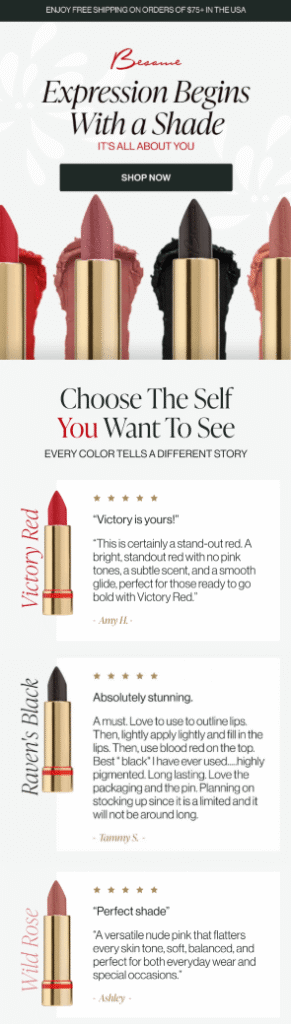
Here an example:
Subject line: Which Story Will You Wear Today? 💄
Call-to-action
The call-to-action (CTA) is where action happens. It should match the tone of the email.
Most CTAs are direct and urgent:
- “Buy Now”
- “Shop Now”
- “Claim Your Deal”
These work in some cases, but they often feel transactional.
With the lipstick effect, the CTA should feel inviting and emotional.
Use soft and encouraging language
Examples:
- “Treat yourself”
- “Enjoy this moment”
- “Take a look”
- “Find your favorite”
These phrases feel natural. They match the idea of small indulgence.
Reduce pressure
Avoid creating stress at this stage.
Instead of:
- “Hurry before it ends”
Use:
- “It’s here whenever you’re ready”
This builds comfort. It makes the reader more likely to click.
Make it feel personal
A good CTA feels like a suggestion, not a command.
Examples:
- “Pick what suits you”
- “Choose your small upgrade”
This gives the reader control. Control is important during uncertain times.
Keep it clear and simple
Even with emotional language, clarity matters.
Do not confuse the reader with too many options. One clear CTA works best. It guides them without effort.
Email design
Design is not just about looks. It shapes how the message feels.
A good design can support the lipstick effect by creating a calm and pleasant experience.
Use clean and simple layouts
Avoid clutter. Too many elements can feel overwhelming.
Keep:
- Clear sections
- Enough white space
- Easy-to-read text
This makes the email feel light and easy to scan.
Choose warm and inviting visuals
Images should reflect comfort and enjoyment.
Use visuals that show:
- Relaxation
- Happiness
- Simple pleasures
For example:
- A person enjoying a quiet moment
- A cozy setting
- A product in a real-life situation
These visuals help the reader imagine the experience.
Use soft colors and tones
Bright and aggressive colors can create pressure.
Soft tones feel more calming. They support the idea of indulgence and comfort.
Colors like:
- Light pastels
- Warm neutrals
- Gentle contrasts
These create a relaxed mood.
Highlight the product as a “treat”
The product should stand out, but not in a harsh way.
Use:
- Close-up images
- Simple backgrounds
- Clear focus
This makes the product feel special, like a small reward.
Optimize for mobile
Many users read emails on their phones. Your design must work well on small screens.
Ensure:
- Text is easy to read
- Buttons are easy to tap
- Images load quickly
A smooth experience supports quick decisions.
Keep consistency with your message
Every part of the design should match the emotional tone.
If your message is about comfort, the design should feel calm.
If your message is about reward, the design should feel pleasant.
Consistency builds trust. It makes the experience feel complete.
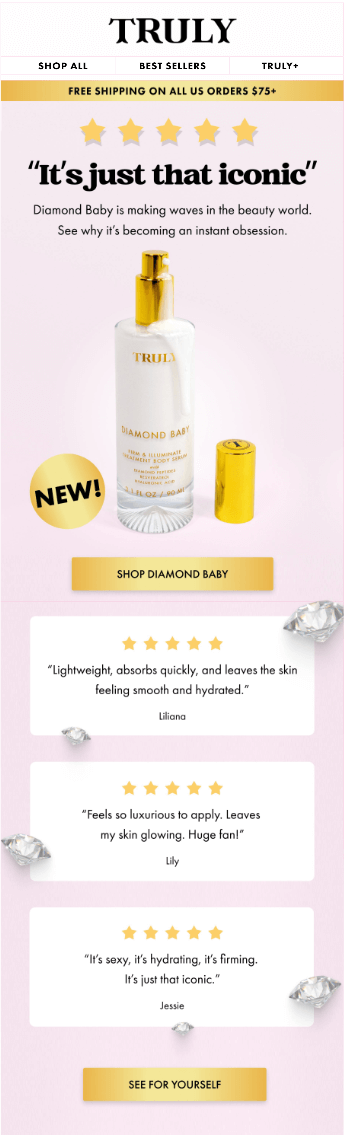
Here an example:
Subject line: “It’s just that iconic” 🤩
When Promotions Still Matter (And How to Blend Both)
Even though the lipstick effect highlights emotional buying, promotions still play an important role. People have not stopped caring about price. In fact, during uncertain times, they often become more price-sensitive. They want value, but they also want to feel good about what they buy.
This is where many email campaigns fail. They treat promotions and pleasure as separate strategies. In reality, the best results come from blending both.
Promotions still reduce risk
Promotions work because they lower the perceived risk of spending. When money feels tight, even small purchases can feel like a decision. Discounts, bundles, or limited-time offers make that decision easier.
For example:
- A small discount can act as reassurance
- A bundle can feel like getting more for less
- Free shipping can remove hesitation
These elements support the logical side of buying. They help the customer justify the purchase.
But logic alone is not enough.
Emotional value drives the decision
The lipstick effect shows that people are not just looking for deals. They are looking for small emotional rewards. A discount may open the door, but the feeling is what pulls them through.
If your email only says:
- “20% off today”
It feels generic. It does not answer why the product matters.
Instead, combine emotion with value:
- “A small treat, now 20% easier to enjoy”
- “Feel good without spending too much”
- “A little reward, at a price that makes sense”
This approach connects both sides of the brain. It gives a reason to buy and a feeling to support it.
Use promotions as support, not the main message
A common mistake is leading with the discount and ignoring the experience.
Try flipping the structure:
- Start with emotion (why it matters)
- Introduce the product (what it offers)
- Add the promotion (why now is a good time)
This keeps the focus on the customer’s feeling, not just the price.
For example:
- Start with: “You’ve had a long week”
- Then: “Here’s something to help you unwind”
- Finally: “Enjoy it today with 15% off”
Now the promotion feels like a bonus, not the only reason to act.
Avoid overusing urgency
Urgency is powerful, but too much of it can backfire. Constant “last chance” messages create pressure. Over time, people stop responding.
Instead, use softer urgency:
- “Available for a short time”
- “A limited window to enjoy this”
This keeps the offer relevant without adding stress. It fits better with the idea of affordable indulgence.
Segment your audience
Not every customer responds the same way.
Some people are deal-driven. Others are experience-driven. Email allows you to segment your audience and adjust your message.
For example:
- Price-sensitive users → Highlight savings first, then emotion
- Loyal customers → Lead with experience, then add a light offer
This balance improves engagement. It makes each email feel more relevant.
Use promotions to introduce indulgence
Promotions can also help introduce new products.
If a customer is unsure, a small discount can encourage them to try. Once they experience the product and feel the emotional benefit, they are more likely to return without needing another discount.
This is how you turn one-time buyers into repeat customers.
Build long-term value, not short-term spikes
Heavy promotions can increase short-term sales. But if overused, they train customers to wait for discounts.
Blending promotions with the lipstick effect helps avoid this problem. You create value beyond price. Customers come back for the feeling, not just the deal.
In simple terms:
- Promotions drive action
- Pleasure builds loyalty
When used together, they create a stronger and more sustainable strategy.
Stop Choosing, Start Balancing
Email marketing in 2026 is not about choosing between promotions and pleasure. It is about understanding how both work together.
People still want good deals. But they also want small moments of comfort and reward. The lipstick effect shows that even in tough times, buying does not stop. It simply becomes more emotional and more selective.
Smart email strategies reflect this shift. They combine value with feeling. They reduce pressure and increase connection. They turn simple products into meaningful experiences.
When you balance urgency with enjoyment, your emails feel more human. And when emails feel human, people respond.
Read More: Avoiding the Email Naughty List: Why Inbox Filters Get Stricter During the Holidays