Marketing has changed fast in the past few years. People no longer wait for ads. They scroll, swipe, and react in seconds. This shift has pushed brands to act just as quickly. That is where real-time marketing comes in.
Real-time marketing helps brands join conversations while they are still happening. It allows companies to respond to trends, events, and customer actions right away. Instead of planning campaigns months ahead, brands now react in minutes or even seconds.
This approach is powerful because it feels fresh and natural. People enjoy content that matches what they are already seeing online. A smart post at the right moment can spread quickly and reach millions without a huge budget.
In 2026, real-time marketing is not just a smart tactic. It is a must-have strategy. Brands that move fast stay visible. Brands that delay often get ignored. Understanding how this works can help you connect better, grow faster, and stay ahead in a busy digital world.
What Is Real-Time Marketing?
Real-time marketing is a strategy where brands create and share content based on what is happening right now. This can include trending topics, live events, breaking news, or even customer behavior.
Instead of following a fixed schedule, marketers watch what people are talking about. Then, they quickly create messages that match that moment. This could be a social media post, an email, a meme, or even a quick ad.
The key idea is speed and relevance. The content must be timely and meaningful. If it comes too late, the moment is gone. If it feels forced, people ignore it.
For example, brands often react during big events like sports games or global news. When something unexpected happens, they turn it into a clever message. This makes the brand feel active and aware of the world around it.
Real-time marketing also uses data. Marketers track customer actions, clicks, and trends. Then, they send personalized messages at the perfect time. This makes the experience feel more personal and useful.
Real-time marketing is about being present, fast, and relevant when your audience is paying attention.
Why Is Real-Time Marketing a Big Thing?
Increases Engagement Rates
People engage more with content that feels current. When a brand talks about something happening right now, it matches what users already care about. This makes them more likely to like, share, or comment.
Real-time content connects with emotions. It reflects what people are thinking in that moment. Because of this, engagement rates often rise quickly compared to regular posts.
Humanizes Your Brand
Real-time marketing makes a brand feel more human. It shows that there are real people behind the company who understand trends and emotions.
Instead of sounding robotic, the brand becomes part of everyday conversations. This builds trust. Customers feel like they are interacting with a personality, not just a business.
When brands respond to events with humor or empathy, they become more relatable. This emotional connection is hard to build with traditional ads.
Saves Your Budget
One of the biggest advantages is cost efficiency. Real-time campaigns often rely on simple ideas instead of expensive production.
A single smart post can go viral without spending much money. Brands do not always need large budgets to get attention.
This makes real-time marketing a great option for both small and large businesses. Creativity matters more than cost.
Boosts Brand Awareness and Loyalty
When content spreads fast, more people see your brand. Real-time marketing often leads to shares, mentions, and media coverage.
This increases visibility without paid ads. Over time, people start to recognize and remember your brand.
It also builds loyalty. When customers see a brand that reacts quickly and understands trends, they feel more connected. This can lead to repeat engagement and long-term trust.
Outshines the Competition
Speed gives brands an edge. The first brand to react often gets the most attention. Late responses rarely perform well.
Real-time marketing helps you stand out in a crowded space. While others are still planning, you are already part of the conversation.
This quick action can position your brand as smart, creative, and active. In a fast-moving digital world, that advantage can make a big difference.
Real-Time Marketing Campaign Examples That Stand Out
Real-time marketing works best when brands react fast and stay relevant. The following examples show how some well-known companies turned simple moments into powerful campaigns. Each one proves that timing, creativity, and brand voice matter more than big budgets.
1. Oreo
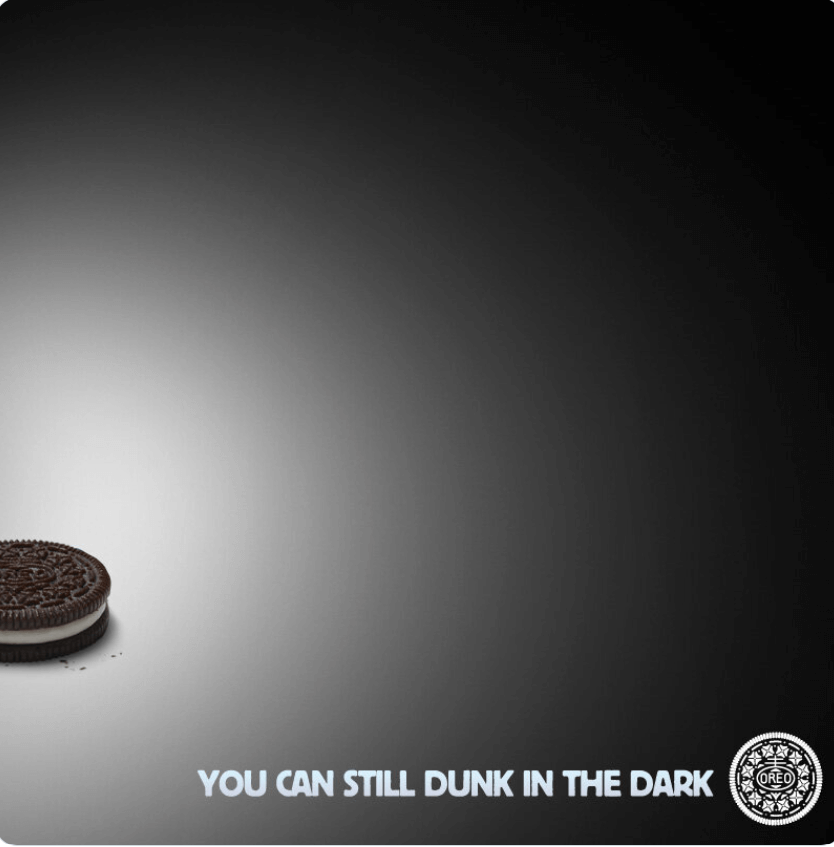
One of the most famous real-time marketing moments came from Oreo during the Super Bowl blackout. The stadium lights suddenly went out, and the game paused for over 30 minutes. While millions of viewers waited, Oreo’s team acted fast.
Within minutes, they posted a simple image of a cookie in the dark with the message, “You can still dunk in the dark.” This post matched the situation perfectly and used the brand’s core idea—dunking cookies in milk.
The success of this campaign came from preparation. Oreo had a team ready to respond during the event. They had designers, copywriters, and decision-makers working together in real time. Because of this, they did not waste time waiting for approvals.
The message was short, clear, and easy to understand. It felt like part of the conversation, not an ad. People shared it quickly because it made them smile.
This example shows that real-time marketing is not just about speed. It is also about being ready and knowing your brand voice.
2. Burger King
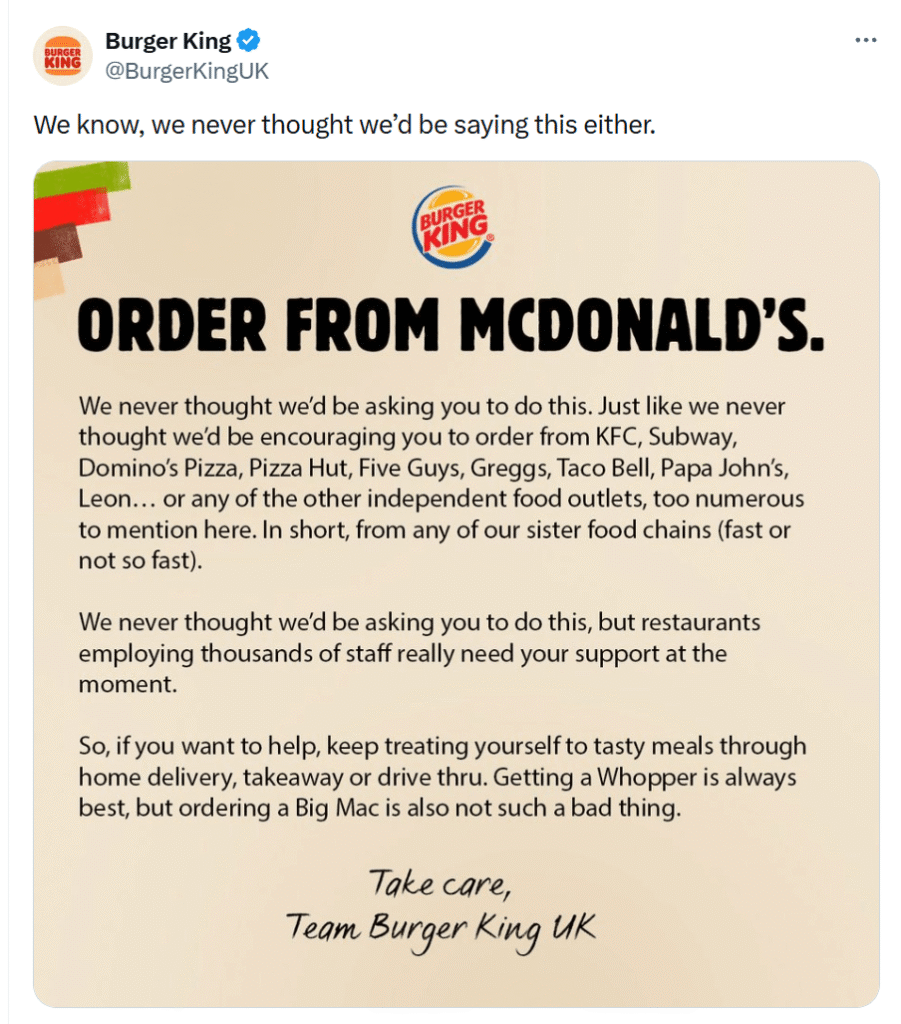
Burger King is known for bold and sometimes aggressive marketing. However, during the COVID-19 pandemic, the brand took a very different approach.
Instead of promoting its own products, Burger King encouraged people to order food from competitors like McDonald’s and Subway. This message surprised many people because brands rarely promote their rivals.
The campaign worked because it matched the situation. During the pandemic, many restaurants were struggling to survive. Burger King showed empathy and supported the entire industry.
This move made the brand feel human and caring. It also gained massive attention online because it was unexpected.
Real-time marketing is not always about humor. Sometimes, it is about understanding the moment and responding with the right emotion.
3. Calm
During a tense election period in the United States, news channels were full of fast updates, loud sounds, and stressful visuals. People felt anxious as they waited for results.
Calm, a meditation app, took a very different approach. Instead of adding more noise, they aired silent 30-second ads. These ads gave viewers a break from the chaos.
This idea worked because it solved a real problem. People needed a moment to relax. Calm used the situation to show the value of its product without being pushy.
The campaign felt thoughtful and unique. While other brands tried to grab attention, Calm chose to reduce stress. This made it stand out.
This example shows that real-time marketing is not always loud or funny. Sometimes, the best response is calm, simple, and helpful.
4. Visit Oslo
Visit Oslo, a tourism organization, created a smart real-time campaign by going against typical travel marketing. Instead of showing perfect images and selling dreams, they used honesty and humor.
They shared content that pointed out the city’s flaws, such as unpredictable weather and higher prices. This approach caught attention because it felt real and different.
The campaign worked because it matched how people think today. Many travelers are tired of perfect ads. They want real experiences and honest opinions.
By reacting to this shift in audience behavior, Visit Oslo created content that felt fresh and relatable. People trusted the message more because it did not try too hard to sell.
This example proves that real-time marketing can also respond to long-term trends, not just sudden events.
5. Barbie
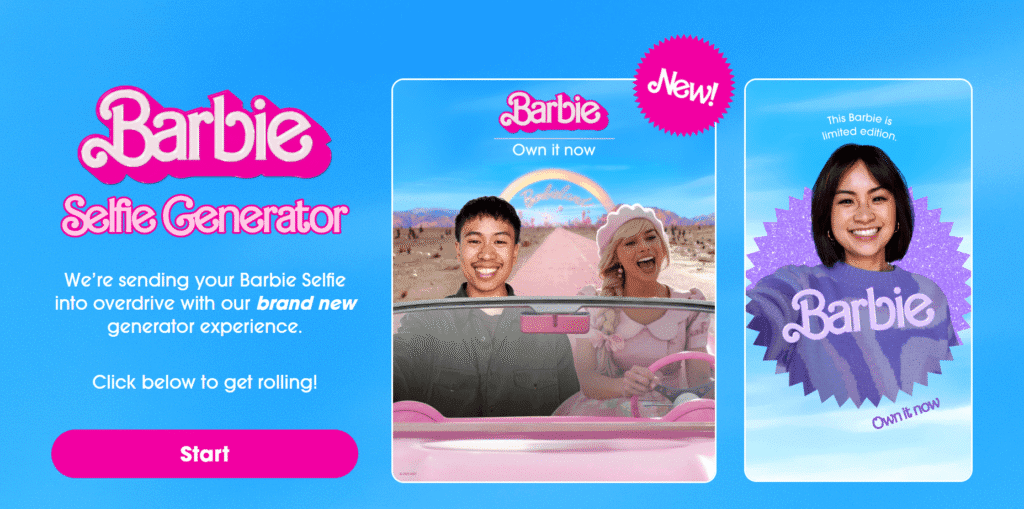
The Barbie movie campaign became a strong example of real-time marketing in recent years. The brand used social media trends, memes, and user-generated content to stay relevant.
When the movie gained attention online, Barbie quickly joined trending conversations. They created interactive tools, personalized posters, and shareable content.
This campaign worked because it allowed people to join the trend. Fans created their own versions of Barbie-style content and shared them online.
Instead of controlling the message, the brand let users take part. This made the campaign feel alive and constantly updated.
Real-time marketing here was not about one moment. It was about staying active during a long trend and adapting to audience behavior.
6. IKEA
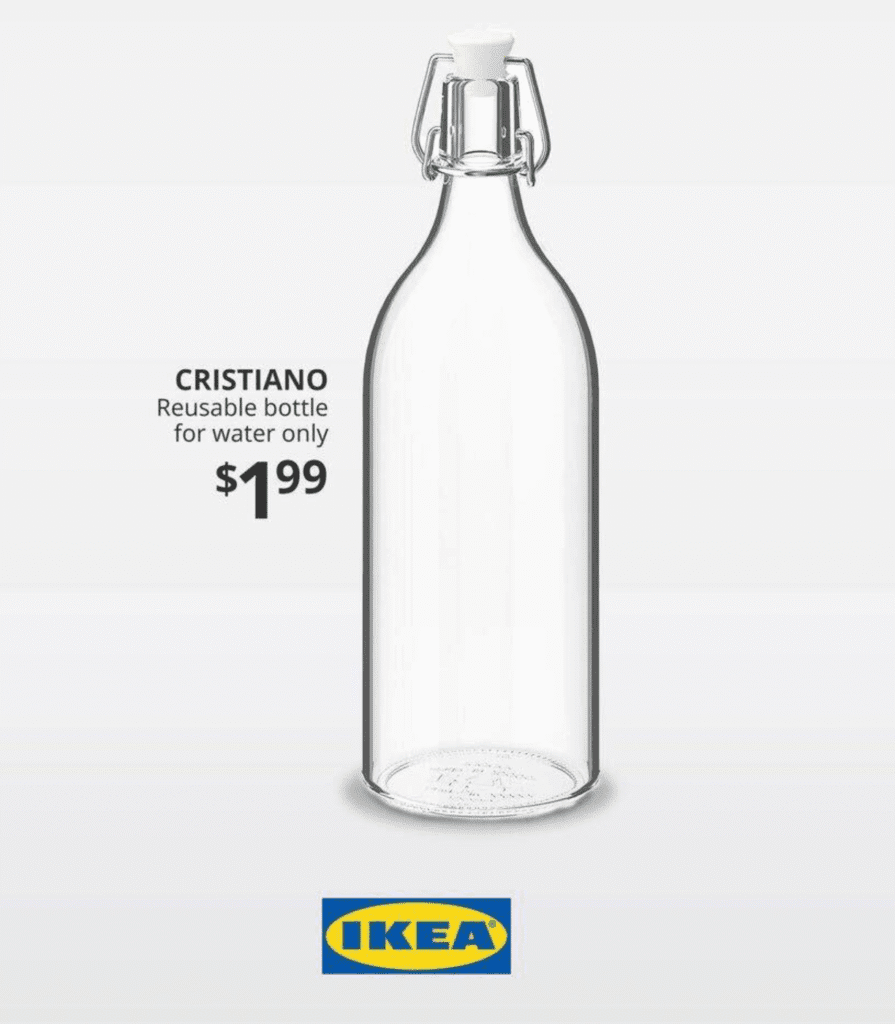
IKEA is known for its simple and clever marketing ideas. One great example came during a football press conference involving Cristiano Ronaldo.
When Ronaldo moved Coca-Cola bottles away and promoted water instead, the moment quickly went viral. IKEA reacted fast by renaming one of its water bottles to “Cristiano” and posting about it online.
The response was quick and perfectly matched the brand’s identity. IKEA focuses on practical and simple products, so promoting a water bottle made sense.
The message was clear and playful. It joined a global conversation without forcing the brand into it.
This example shows how important timing is. If IKEA had waited too long, the trend would have passed.
7. Duolingo
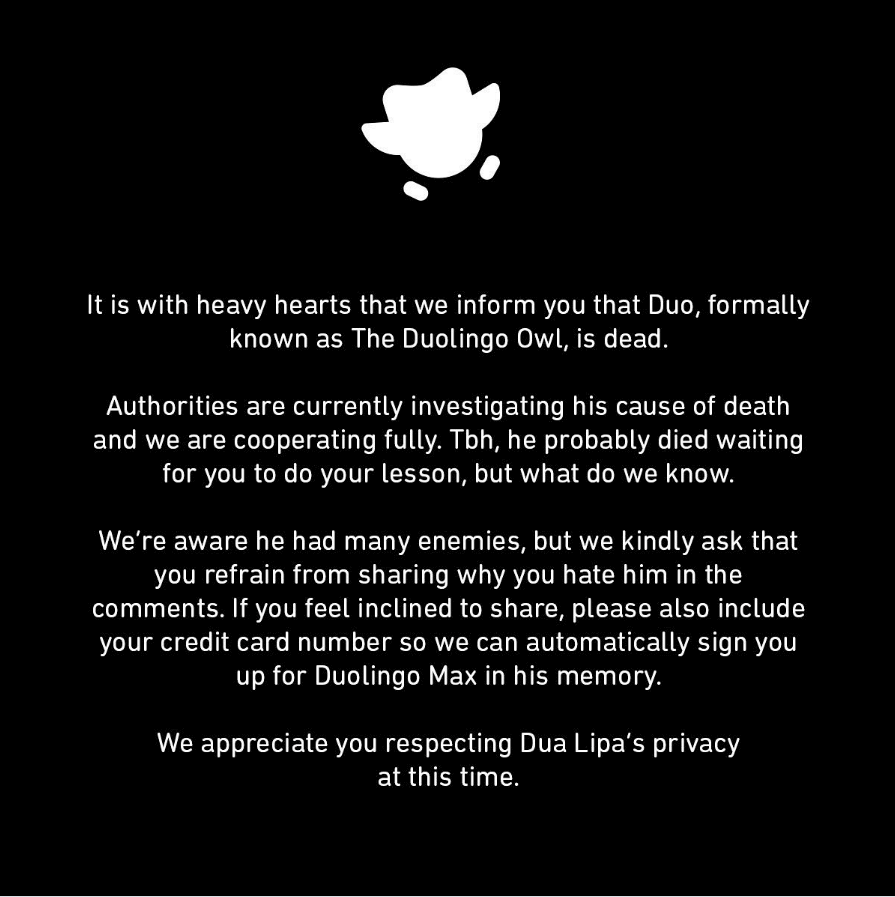
Duolingo has become one of the most creative brands in real-time marketing. The company often uses humor, trends, and bold storytelling on social media.
One of its standout campaigns involved a dramatic storyline where its mascot appeared to “die.” This unexpected content grabbed attention and spread quickly online.
Duolingo’s success comes from understanding internet culture. The brand speaks the same language as its audience, especially younger users.
Instead of playing it safe, Duolingo takes risks. This makes its content feel fresh and exciting.
The key lesson here is consistency. The brand does not just react once. It stays active and keeps engaging with trends over time.
8. KFC
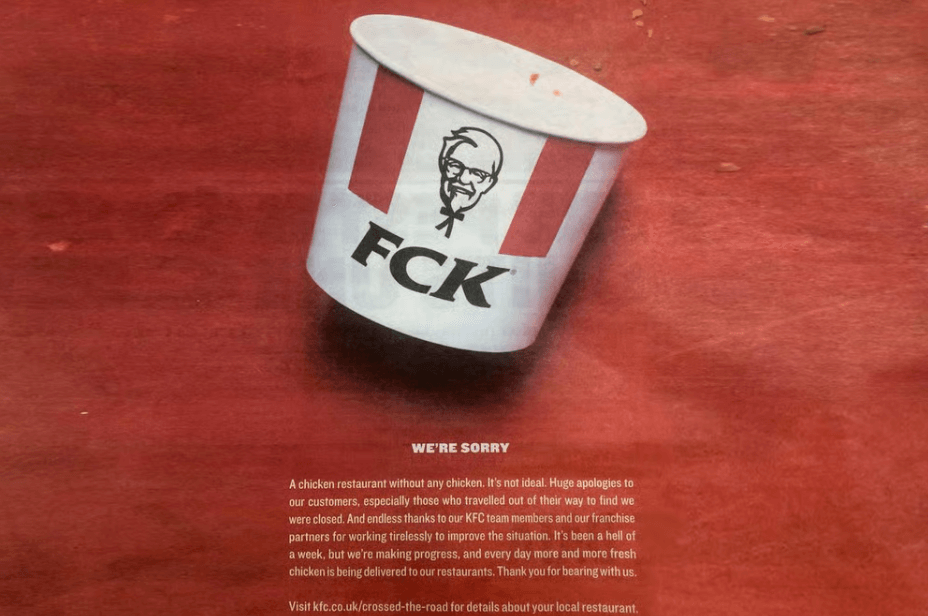
KFC has created several strong real-time marketing campaigns. One of the most famous came during a chicken shortage in the UK.
Due to supply issues, many KFC stores ran out of chicken. This caused frustration among customers. Instead of hiding the problem, KFC responded with a bold ad.
The ad showed an empty bucket with the letters rearranged to spell “FCK.” This simple message acted as an apology and showed self-awareness.
People appreciated the honesty and humor. The campaign turned a negative situation into a positive brand moment.
KFC also used real-time marketing to respond to competitors. In another campaign, they reacted to criticism of a rival product by showing how they could “fix” it.
These examples show that real-time marketing can help manage crises and even turn problems into opportunities.
9. MeUndies
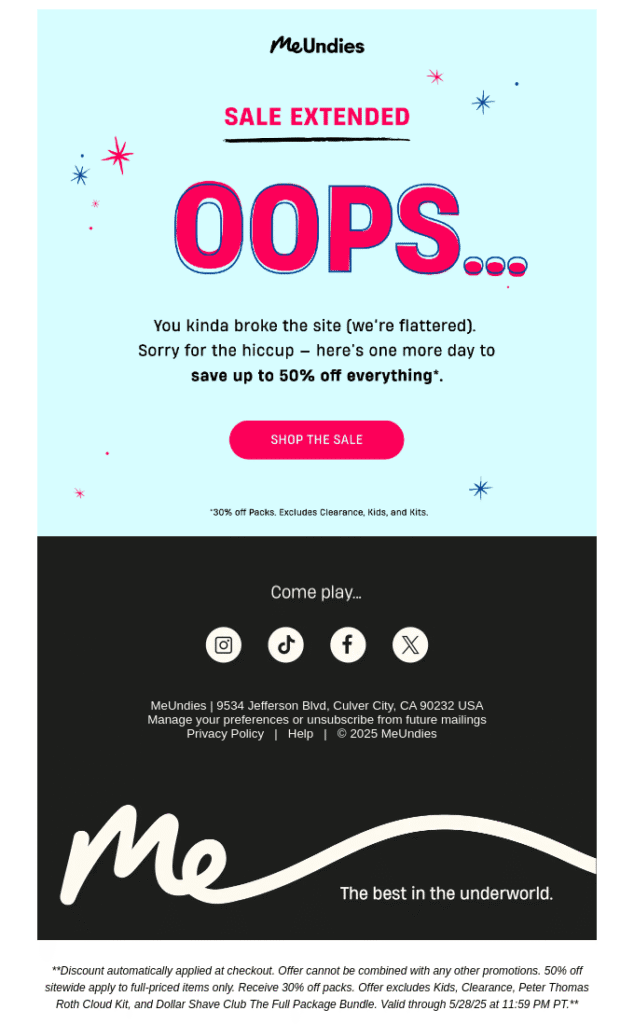
MeUndies provides a great example of real-time email marketing. During a big sale, their website crashed due to high traffic.
This could have caused frustration and lost trust. Instead, the brand quickly sent an email with a playful message: “Oops… You broke the site.”
They also extended the sale so customers would not miss out.
This response worked because it was fast, honest, and friendly. The tone felt human, not corporate.
By addressing the problem quickly, MeUndies kept customers happy and maintained trust.
This example shows that real-time marketing is not limited to social media. It can also work through email and customer communication.
Real-Time Marketing Best Practices
Real-time marketing can deliver strong results, but only when done the right way. Acting fast without a plan can lead to mistakes. Brands need clear systems, smart tools, and a deep understanding of their audience. The following best practices will help you stay relevant, accurate, and effective in every moment.
Know Your Target Audience in Depth
Real-time marketing starts with knowing who you are talking to. Without this, even the fastest response can fail. You need to understand your audience’s interests, habits, and behavior.
Start by studying what your audience likes to read, watch, and share. Look at their age group, location, and online activity. Notice the type of language they use and the trends they follow. This helps you create content that feels natural and relatable.
It is also important to understand their emotions. Real-time marketing often connects with feelings like humor, excitement, or concern. If you know what your audience cares about, you can match your message to their mood.
Use data from your website, emails, and social media platforms. Track which posts get the most engagement. Look at comments and feedback to see what people enjoy.
When you understand your audience deeply, your real-time content feels more personal. It does not look like a random post. Instead, it feels like a message made just for them.
Build an Instant Approval Workflow
Speed is everything in real-time marketing. But speed without control can be risky. That is why you need a clear approval process that works quickly.
Traditional marketing often takes days or weeks for approval. Real-time marketing cannot wait that long. By the time content gets approved, the trend is already over.
To fix this, build a small team with clear roles. Include a content creator, a designer, and a decision-maker. Make sure everyone knows their task and can act fast.
Set simple rules for what can be posted without long approval. For example, define your brand tone, style, and boundaries in advance. This allows your team to make quick decisions without asking for permission every time.
You can also create ready-to-use templates for posts, images, and messages. This saves time when reacting to trends.
An instant workflow does not mean no control. It means smart control that allows speed without risking your brand image.
Use Google Trends and Social Listening Tools
To react in real time, you need to know what is happening right now. This is where tools become important.
Google Trends helps you see what people are searching for across the world. You can spot rising topics and act before they become too crowded. This gives your brand a first-mover advantage.
Social listening tools take this further. They track conversations on platforms like Twitter, Instagram, and TikTok. These tools show what people are saying about trends, events, and even your brand.
With this data, you can:
- Identify trending hashtags
- Track brand mentions
- Monitor competitor activity
- Understand audience sentiment
Real-time marketing depends on timing. These tools help you act early instead of reacting too late.
Send Personalized Messages with Real-Time Data
Personalization is a key part of modern marketing. When combined with real-time data, it becomes even more powerful.
Real-time data includes user actions like clicks, searches, purchases, and browsing behavior. This data helps you send messages at the perfect moment.
For example, if a user visits a product page but does not buy, you can send a follow-up email with a special offer. If someone interacts with a trend, you can show them related content.
Personalized real-time messages feel more useful. They are not random ads. They are based on what the user actually needs.
You can use automation tools to handle this process. These tools track user behavior and send messages instantly. This saves time while improving results.
The key is to stay relevant. Do not send too many messages or push too hard. Focus on helpful and timely communication.
Engage With Users in the Comments
Real-time marketing does not stop after posting. The real impact often comes from interaction.
When users comment on your posts, they expect a response. Replying quickly shows that your brand is active and cares about its audience.
Engaging in comments helps build trust. It turns a simple post into a conversation. People feel heard when brands reply to their thoughts.
You can also use comments to extend your message. Add humor, answer questions, or join trending discussions. This keeps your content alive for longer.
Be careful with tone. Always stay respectful and aligned with your brand voice. Avoid arguments or negative replies.
Quick and thoughtful responses can turn followers into loyal fans. It shows that your brand is not just posting content but also listening and connecting.
Real-Time, Real You
Real-time marketing is not just about being fast. It is about being real, aware, and connected. Brands that succeed in this space do more than react. They listen, understand, and respond in a way that feels natural.
In 2026, people expect brands to act like part of the conversation, not outside of it. This means showing personality, sharing timely ideas, and staying honest in every message. A simple, well-timed post can often do more than a large campaign.
At the same time, balance is key. Not every trend fits your brand. Choosing the right moment matters more than reacting to everything.
When you mix speed with strategy, real-time marketing becomes a powerful tool. It helps you stay visible, build trust, and create stronger connections that last beyond a single moment.
FAQs
1. What is the difference between real-time marketing and automation?
Real-time marketing focuses on reacting to current events, trends, or user actions as they happen. It often requires human input, quick thinking, and creative decisions. The goal is to stay relevant in the moment.
Automation, on the other hand, follows pre-set rules. It sends messages based on triggers like sign-ups, clicks, or time delays. These campaigns are planned in advance and run without constant manual effort.
Both approaches are useful. Real-time marketing adds freshness and relevance, while automation ensures consistency and scale. The best strategy often combines both to create a smooth and engaging experience.
2. What are the biggest real-time marketing mistakes many brands make?
One common mistake is reacting too late. Timing is critical, and even a short delay can make content feel outdated. Another issue is forcing a trend that does not match the brand. This can confuse the audience and damage trust.
Some brands also ignore tone. A joke during a serious event can lead to negative reactions. It is important to understand the mood of the moment before posting.
Lack of planning is another risk. Without clear guidelines, teams may post content that does not align with the brand voice. Finally, many brands forget to monitor feedback after posting, which can lead to missed opportunities or unmanaged criticism.
3. How can you measure the ROI of real-time marketing?
Measuring ROI in real-time marketing starts with tracking engagement. Look at likes, shares, comments, and reach. These metrics show how well your content connects with the audience.
Next, track traffic and conversions. Use links and analytics tools to see how many users visit your website or complete actions after seeing your content.
Brand awareness is also important. Monitor mentions, hashtags, and follower growth to understand how your visibility changes over time.
You should also compare performance with regular campaigns. This helps you see if real-time efforts bring better results.
ROI is not just about sales. It also includes stronger relationships, higher engagement, and long-term brand value.
Read More: Make email your highest-performing channel with an email segmentation strategy